THE ADVENTURE COLLECTIVE® · Independent discovery and booking for outdoor travel

A hands-on, two-hour introduction to Shaolin-influenced Kungfu taught by an instructor trained in Luoyang. Small groups focus on Taichi, forms, and traditional weapons with corrections for safety and technique.
A hands-on, two-hour introduction to Shaolin-influenced Kungfu taught by an instructor trained in Luoyang. Small groups focus on Taichi, forms, and traditional weapons with corrections for safety and technique.
You step into a sun-washed training room in Chengdu, where the floor hums with the shuffle of feet and the teacher’s voice cuts through the air like a practiced strike. Over two hours the room becomes a deliberate playground: blocks, stances, and the measured breathing of students learning both form and force.
Verified experiences and guided adventures in the surrounding area.
Operated by Chengdu kungfu Class · Chengdu, Sichuan
You step into a sun-washed training room in Chengdu, where the floor hums with the shuffle of feet and the teacher’s voice cuts through the air like a practiced strike. Over two hours the room becomes a deliberate playground: blocks, stances, and the measured breathing of students learning both form and force.
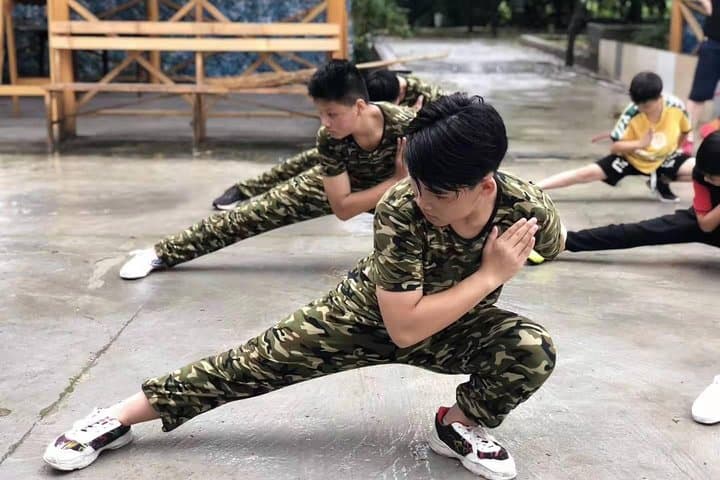
This lesson traces a clear line back to Shaolin Temple in Luoyang — eight years of the instructor’s study there inform the class structure. Expect an introduction to Taichi and Baduanjin for breath and balance, standing forms that build stability, then progressions in boxing, cudgel, spear, knife and sword that emphasize coordination and timing. The practice sits at the intersection of cultural performance and pragmatic self-discipline familiar from classic martial-arts cinema.
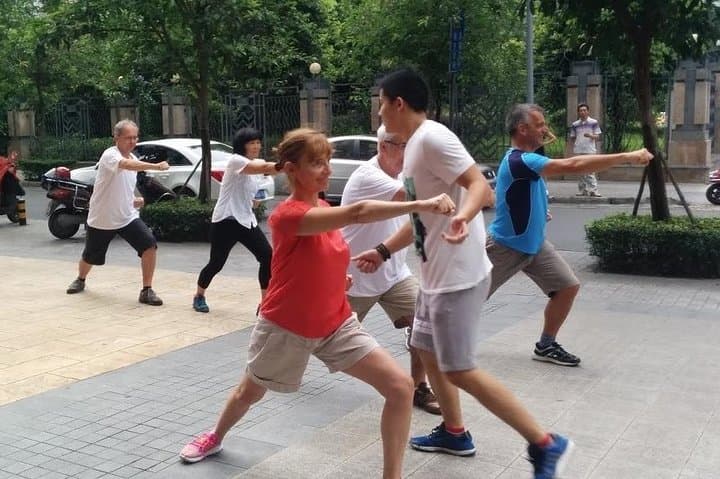
Chengdu itself supplies context: a Sichuan city where teahouses crowd lanes and public parks host morning Taiji circles; the local rhythm helps frame the training as ordinary, daily practice rather than spectacle. The class works in small groups so instructors can correct alignment and adjust weapon handling for safety.
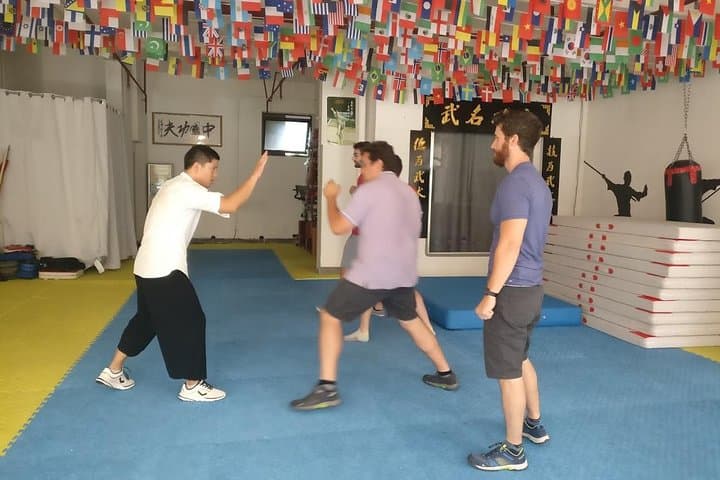
Practical guidance: arrive in breathable, nonrestrictive clothes and flat-soled shoes; allow time to warm up and disclose any prior injuries. Hydrate before and after — the first hour focuses on basics and breath, the second on applications and light partner work. If your goal is fitness, expect a moderate cardiovascular and mobility challenge; if you’re after cultural insight, bring questions about lineage and routine. This is a hands-on way to connect with an enduring tradition without needing prior experience.
easy.
2 hours.
Suitable for most fitness levels; expect moderate mobility and coordination work rather than intense cardio
No — the class is designed for beginners and adapts instruction to individual skill levels.
Yes, basic weapon drills are introduced safely, but progression is paced and supervised by the instructor.
The class welcomes a wide age range; disclose any medical conditions during booking so instructors can advise suitability.
Yes — the lesson splits time between meditative forms like Taichi and practical striking/weapon fundamentals to cover both aspects.
The class draws on routines from Shaolin Temple in Luoyang, a historic center of Chinese martial arts where many modern styles trace their lineage.
Respect studio equipment and practice areas; support local cultural centers that preserve traditional teaching methods and avoid commodifying sacred rituals.
Chengdu kungfu Class operates guided outdoor trips and adventures with an emphasis on safety, stewardship, and memorable experiences.
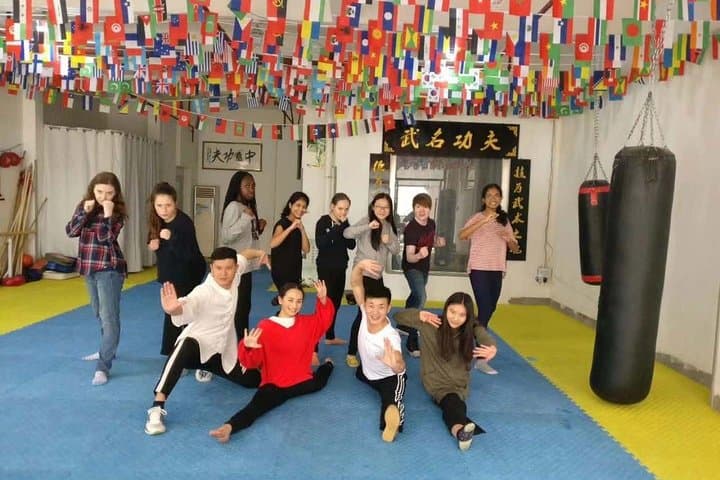
You step into a sun-washed training room in Chengdu, where the floor hums with the shuffle of feet and the teacher’s voice cuts through the air like a practiced strike. Over two hours the room becomes a deliberate playground: blocks, stances, and the measured breathing of students learning both form and force.
You step into a sun-washed training room in Chengdu, where the floor hums with the shuffle of feet and the teacher’s voice cuts through the air like a practiced strike. Over two hours the room becomes a deliberate playground: blocks, stances, and the measured breathing of students learning both form and force.
This lesson traces a clear line back to Shaolin Temple in Luoyang — eight years of the instructor’s study there inform the class structure. Expect an introduction to Taichi and Baduanjin for breath and balance, standing forms that build stability, then progressions in boxing, cudgel, spear, knife and sword that emphasize coordination and timing. The practice sits at the intersection of cultural performance and pragmatic self-discipline familiar from classic martial-arts cinema.
Chengdu itself supplies context: a Sichuan city where teahouses crowd lanes and public parks host morning Taiji circles; the local rhythm helps frame the training as ordinary, daily practice rather than spectacle. The class works in small groups so instructors can correct alignment and adjust weapon handling for safety.
Practical guidance: arrive in breathable, nonrestrictive clothes and flat-soled shoes; allow time to warm up and disclose any prior injuries. Hydrate before and after — the first hour focuses on basics and breath, the second on applications and light partner work. If your goal is fitness, expect a moderate cardiovascular and mobility challenge; if you’re after cultural insight, bring questions about lineage and routine. This is a hands-on way to connect with an enduring tradition without needing prior experience.