THE ADVENTURE COLLECTIVE® · Independent discovery and booking for outdoor travel

Train with the tsurugi samurai squad in central Tokyo: learn Sengoku-era sword fundamentals, confront a staged Oni in a symbolic finale, and leave with a personalized scroll. This two-hour, English-friendly workshop blends hands-on technique, ritual, and a memorable photo-ready experience.
Train with the tsurugi samurai squad in central Tokyo: learn Sengoku-era sword fundamentals, confront a staged Oni in a symbolic finale, and leave with a personalized scroll. This two-hour, English-friendly workshop blends hands-on technique, ritual, and a memorable photo-ready experience.
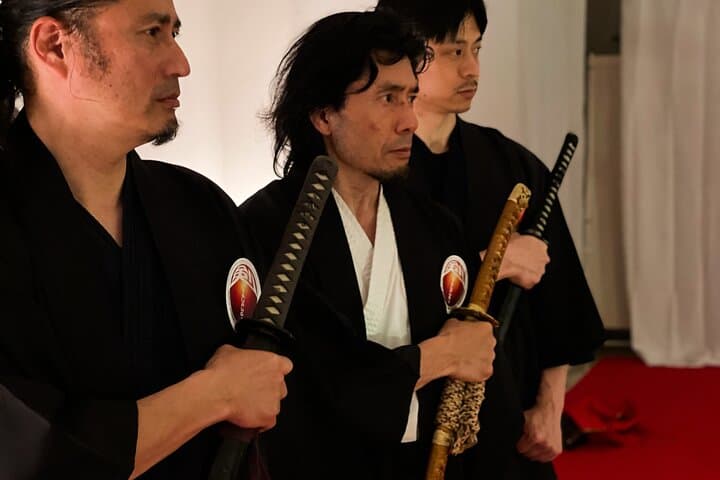
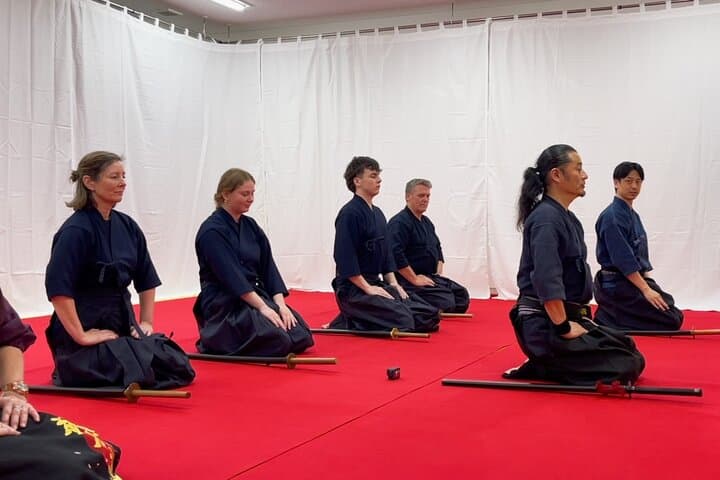
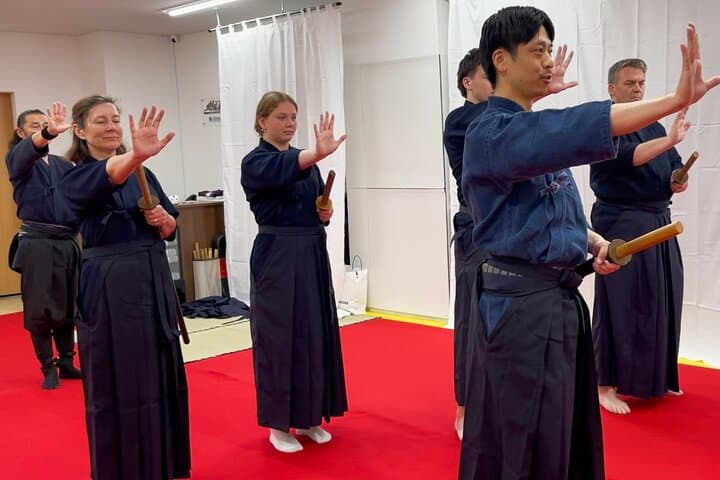
Stand in a compact Tokyo dojo as the city hums beyond paper windows. The wooden floor smells faintly of polish; instructors move with measured breath and the tsurugi — a practice blade — slicing the air with intent. This two-hour, English-friendly session unfolds in four chapters: prologue, training, battle, recognition, guiding participants through posture, breathing, strikes, blocks and etiquette drawn from Sengoku-era practice.
Verified experiences and guided adventures in the surrounding area.
Operated by INTERNATIONAL GOSHIN-BUDO ASSOCIATION · Tokyo, Tokyo
Stand in a compact Tokyo dojo as the city hums beyond paper windows. The wooden floor smells faintly of polish; instructors move with measured breath and the tsurugi — a practice blade — slicing the air with intent. This two-hour, English-friendly session unfolds in four chapters: prologue, training, battle, recognition, guiding participants through posture, breathing, strikes, blocks and etiquette drawn from Sengoku-era practice.
The lesson ties directly to Japan’s martial past. Sword arts evolved amid the Sengoku wars and later codified into schools that emphasize form, timing and moral discipline. Tokyo itself sits on the Kanto Plain; the flat river channels that shaped Edo created neighborhoods where samurai, merchants and ritual traditions mixed. The program borrows motifs like Hyakki Yakō and the Oni to frame a symbolic confrontation with fear — historical images used to dramatize an internal trial.
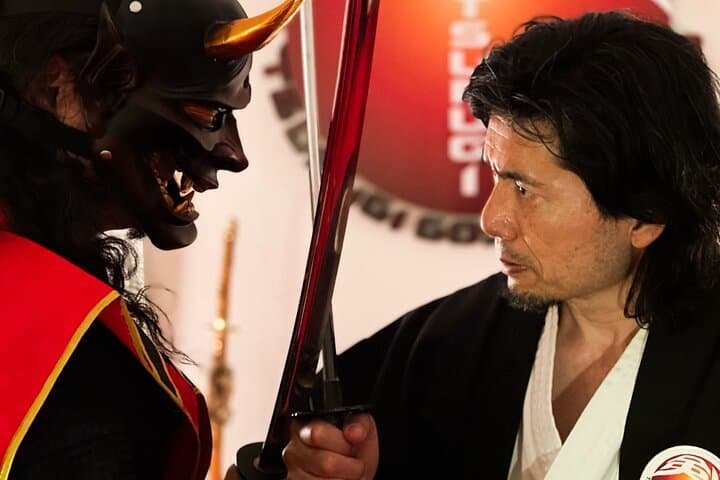
Expect hands-on drills, a live sword demonstration, costume rental for photos, matcha with wagashi, and a personalized scroll signed at the end. The “demon” encounter is staged and safety-managed, more symbolic than combative, but it asks for focused movement and composure.
Practical guidance: arrive 15 minutes early for changing and orientation, wear flexible clothing and closed-toe shoes, and bring ID for the certificate. Hydrate beforehand and avoid heavy meals right before practice. The venue is usually a short walk from a major station; public transit is the easiest access. For a calm follow-up, visit a nearby shrine to watch carp and urban birds and reflect on the discipline you practiced.
easy.
2 hours.
Suitable for most people who can stand and move lightly for 90–120 minutes; no special conditioning required
No — the class is designed for beginners and uses safe practice blades with step-by-step instruction.
Family-friendly sessions welcome teens and adults; confirm age requirements at booking as some classes may set minimum ages.
The Oni confrontation is choreographed and supervised; it’s symbolic and managed for participant safety, though it involves active movement.
Yes — the program is English-friendly and instructors explain techniques, history, and etiquette in accessible language.
Samurai sword arts developed during the chaotic Sengoku period and were later formalized into schools that emphasized technique, discipline and ritual; Oni and yokai imagery have long been used in folk stories and theater to externalize inner struggles.
Respect historic and religious sites you may visit after class; minimize single-use plastics and support small local tea houses and studios that preserve traditional crafts.
INTERNATIONAL GOSHIN-BUDO ASSOCIATION operates guided outdoor trips and adventures with an emphasis on safety, stewardship, and memorable experiences.
Stand in a compact Tokyo dojo as the city hums beyond paper windows. The wooden floor smells faintly of polish; instructors move with measured breath and the tsurugi — a practice blade — slicing the air with intent. This two-hour, English-friendly session unfolds in four chapters: prologue, training, battle, recognition, guiding participants through posture, breathing, strikes, blocks and etiquette drawn from Sengoku-era practice.
Stand in a compact Tokyo dojo as the city hums beyond paper windows. The wooden floor smells faintly of polish; instructors move with measured breath and the tsurugi — a practice blade — slicing the air with intent. This two-hour, English-friendly session unfolds in four chapters: prologue, training, battle, recognition, guiding participants through posture, breathing, strikes, blocks and etiquette drawn from Sengoku-era practice.
The lesson ties directly to Japan’s martial past. Sword arts evolved amid the Sengoku wars and later codified into schools that emphasize form, timing and moral discipline. Tokyo itself sits on the Kanto Plain; the flat river channels that shaped Edo created neighborhoods where samurai, merchants and ritual traditions mixed. The program borrows motifs like Hyakki Yakō and the Oni to frame a symbolic confrontation with fear — historical images used to dramatize an internal trial.
Expect hands-on drills, a live sword demonstration, costume rental for photos, matcha with wagashi, and a personalized scroll signed at the end. The “demon” encounter is staged and safety-managed, more symbolic than combative, but it asks for focused movement and composure.
Practical guidance: arrive 15 minutes early for changing and orientation, wear flexible clothing and closed-toe shoes, and bring ID for the certificate. Hydrate beforehand and avoid heavy meals right before practice. The venue is usually a short walk from a major station; public transit is the easiest access. For a calm follow-up, visit a nearby shrine to watch carp and urban birds and reflect on the discipline you practiced.