THE ADVENTURE COLLECTIVE® · Independent discovery and booking for outdoor travel

Learn samba no pé in a spirited 45-minute introduction near Lapa’s arches. This class blends music, history and easy steps so you can dance confidently at Rio’s parties and Carnival.
Learn samba no pé in a spirited 45-minute introduction near Lapa’s arches. This class blends music, history and easy steps so you can dance confidently at Rio’s parties and Carnival.
You step into a low-ceilinged studio just off Lapa’s arches and the city’s pulse shifts to rhythm: percussion nudges your feet, a teacher counts outbeats, and the music dares you forward. In 45 minutes you’ll move from simple footwork to the basic samba no pé steps that animate Rio’s evenings and Carnival parades.
Verified experiences and guided adventures in the surrounding area.
Operated by Bezerra Dance · Rio de Janeiro, Rio de Janeiro
You step into a low-ceilinged studio just off Lapa’s arches and the city’s pulse shifts to rhythm: percussion nudges your feet, a teacher counts outbeats, and the music dares you forward. In 45 minutes you’ll move from simple footwork to the basic samba no pé steps that animate Rio’s evenings and Carnival parades.
Samba traces its roots to Afro-Brazilian communities in Bahia and evolved in Rio as migrants, musicians and dancers layered African rhythms over Portuguese forms; samba no pé is the solo, street-smart dance that grew from that mix. The class doubles as a cultural primer: expect quick history, call-and-response clapping, and practice of the Carioca posture that makes samba distinct.
Practical expectations: sessions are beginner-friendly and physically light — suited to any fitness level — and typically cap at large group sizes, so emphasis is on feel and repetition rather than perfection. Wear flexible shoes with grip and breathable clothes; you’ll sweat and laugh in equal measure. Public transit services run nearby, and tipping instructors is customary but optional.
Tips for timing: take a daytime class to learn moves calmly, or an evening slot if you want to test them at neighborhood samba nights afterward. Bring water and a small towel, and keep valuables locked in hotel storage; studios are lively and crowded. Learning samba here isn’t just technique—it’s an entry point into Rio’s social life. Leave curious, a little breathless, and ready to let the music pull you onto the dance floor.
easy.
45 minutes.
Suitable for all fitness levels; light cardio and coordination expected.
No — the class is designed for beginners and focuses on basic samba no pé footwork and rhythm.
Classes can host groups up to around 30–40 participants, so expect a communal learning environment rather than private instruction.
Tipping is optional but appreciated; small gratuities or gifts to instructors are common for good sessions.
Yes — comfortable, breathable clothing and flexible shoes are recommended; avoid restrictive garments.
Samba developed from Afro-Brazilian rhythms brought by enslaved people and crystallized in Rio’s urban neighborhoods in the early 20th century, later becoming central to Carnival culture.
Support local cultural conservation by taking classes with licensed local teachers and tipping fairly; responsible tourism helps sustain community arts.
Bezerra Dance operates guided outdoor trips and adventures with an emphasis on safety, stewardship, and memorable experiences.
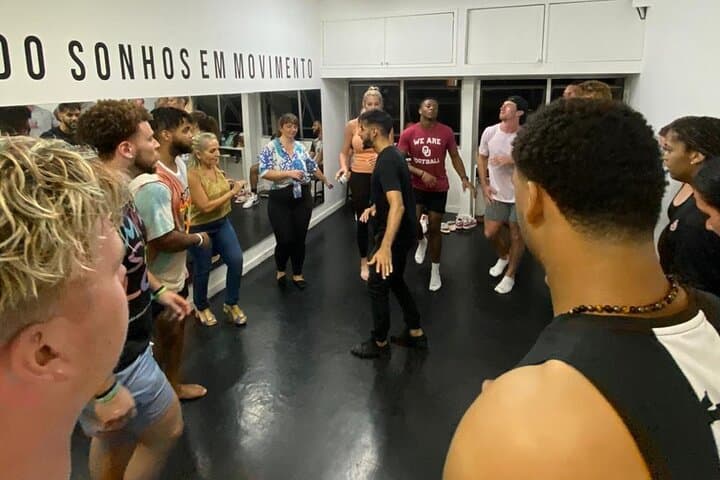
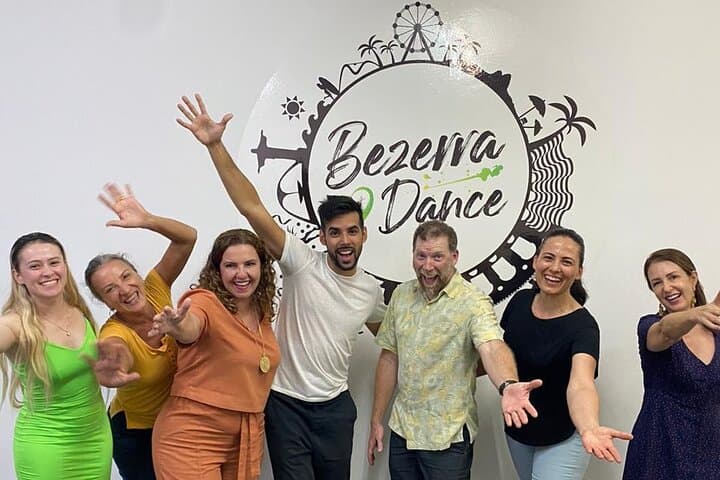
You step into a low-ceilinged studio just off Lapa’s arches and the city’s pulse shifts to rhythm: percussion nudges your feet, a teacher counts outbeats, and the music dares you forward. In 45 minutes you’ll move from simple footwork to the basic samba no pé steps that animate Rio’s evenings and Carnival parades.
You step into a low-ceilinged studio just off Lapa’s arches and the city’s pulse shifts to rhythm: percussion nudges your feet, a teacher counts outbeats, and the music dares you forward. In 45 minutes you’ll move from simple footwork to the basic samba no pé steps that animate Rio’s evenings and Carnival parades.
Samba traces its roots to Afro-Brazilian communities in Bahia and evolved in Rio as migrants, musicians and dancers layered African rhythms over Portuguese forms; samba no pé is the solo, street-smart dance that grew from that mix. The class doubles as a cultural primer: expect quick history, call-and-response clapping, and practice of the Carioca posture that makes samba distinct.
Practical expectations: sessions are beginner-friendly and physically light — suited to any fitness level — and typically cap at large group sizes, so emphasis is on feel and repetition rather than perfection. Wear flexible shoes with grip and breathable clothes; you’ll sweat and laugh in equal measure. Public transit services run nearby, and tipping instructors is customary but optional.
Tips for timing: take a daytime class to learn moves calmly, or an evening slot if you want to test them at neighborhood samba nights afterward. Bring water and a small towel, and keep valuables locked in hotel storage; studios are lively and crowded. Learning samba here isn’t just technique—it’s an entry point into Rio’s social life. Leave curious, a little breathless, and ready to let the music pull you onto the dance floor.