THE ADVENTURE COLLECTIVE® · Independent discovery and booking for outdoor travel

Step into a Barcelona dance studio and let percussion become your map: this one-hour Latin dance class teaches salsa basics, turns, and partner work for all levels. Practical instruction, WhatsApp meeting confirmations, and after-class nightlife make it a compact cultural experience.
Step into a Barcelona dance studio and let percussion become your map: this one-hour Latin dance class teaches salsa basics, turns, and partner work for all levels. Practical instruction, WhatsApp meeting confirmations, and after-class nightlife make it a compact cultural experience.
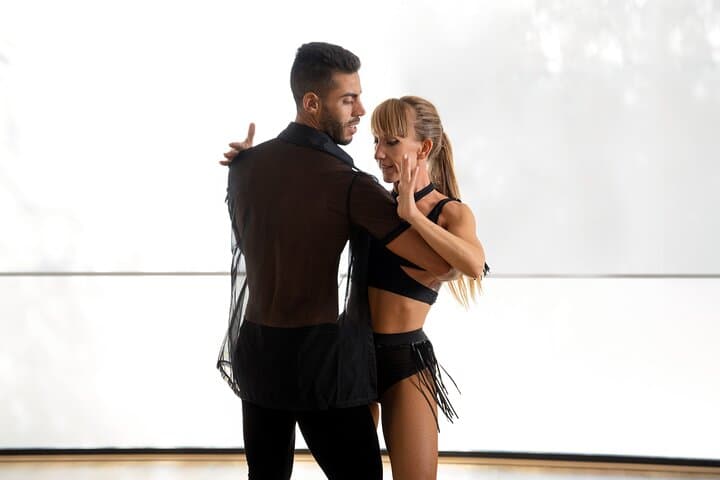
The studio door opens onto a narrow Barcelona street and the city’s pulse slips inside with you: percussion muffled by shutters, taxi horns answering the distant sea. In a light-filled room, a teacher claps a steady beat and the floor becomes a simple map—one step, two steps, a turn—and the room leans into rhythm.
Verified experiences and guided adventures in the surrounding area.
Operated by MADride Travel · Barcelona, Catalonia
The studio door opens onto a narrow Barcelona street and the city’s pulse slips inside with you: percussion muffled by shutters, taxi horns answering the distant sea. In a light-filled room, a teacher claps a steady beat and the floor becomes a simple map—one step, two steps, a turn—and the room leans into rhythm.
Salsa traces its roots to Afro-Cuban son and Puerto Rican rhythm, and in Barcelona it has been shaped by waves of Latin American migration and the city’s restless nightlife. The class sits within the cultural crossroads of Catalonia—sea-swept boulevards, the low ridge of Collserola watching over the grid, neighborhoods that traded industrial workshops for studios and live-music bars.
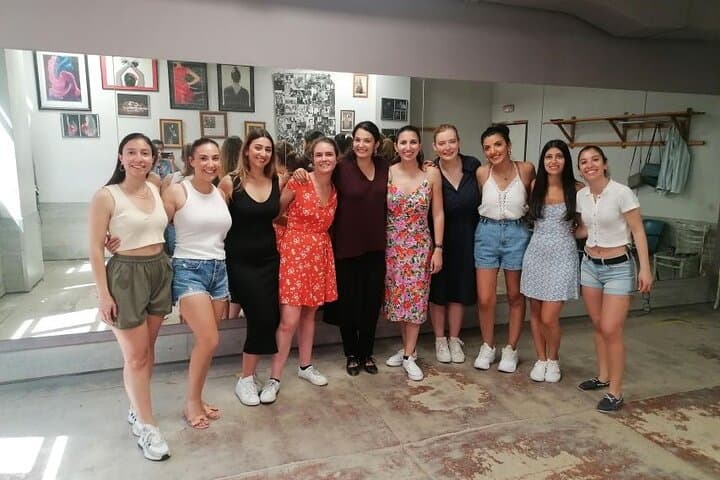
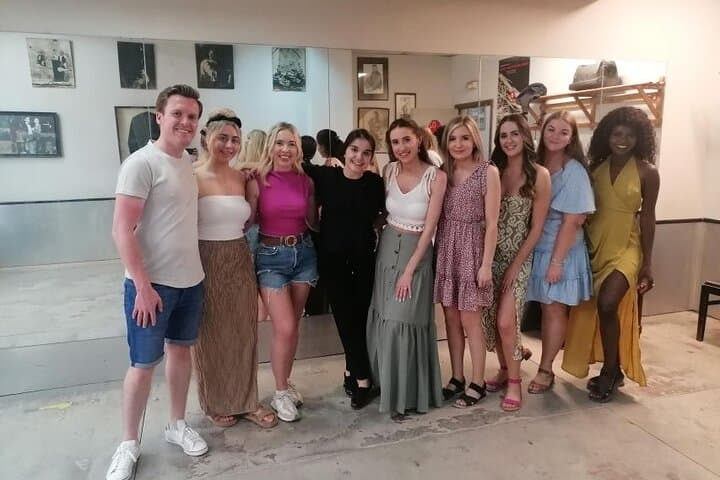
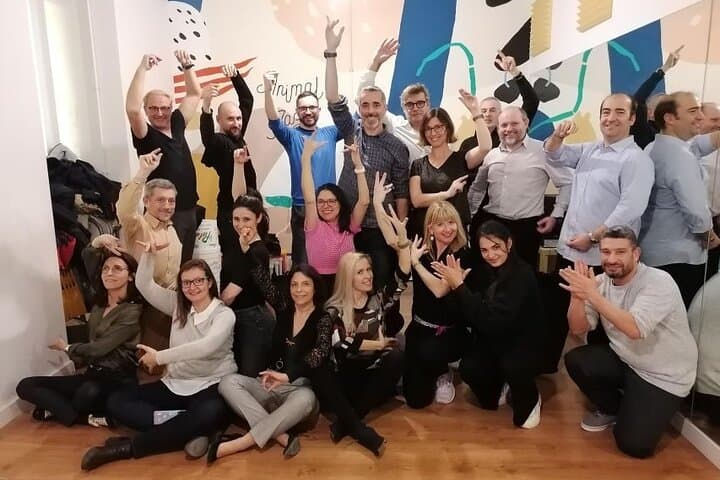
Expect practical instruction: basic salsa timing, partners, right- and left-turns, and short combinations you can repeat after the lesson. The teacher will cue counts, correct posture, and show how to lead and follow with small, communicative weight shifts. The room’s sprung floor encourages confident pivots while mirrored walls help you fine-tune alignment.
Plan to arrive 10–15 minutes early for check-in; the operator confirms the exact meeting point by WhatsApp. Wear low-profile shoes with a smooth sole for easy turns, hydrate before and after, and mention any back or cardiac issues when booking—this activity is labeled suitable for most fitness levels but not for those with spinal or serious heart conditions.
After the hour, take a short walk to a nearby bar for tapas and live music—Barcelona’s rhythm rarely stops, it simply invites you to keep moving.
easy.
1 hour.
Suitable for most people with basic mobility; light cardio and balance help with turns and partner work.
The exact studio address varies; the operator will confirm the meeting point by WhatsApp after you book—arrive 10–15 minutes early when location is confirmed.
No—classes are designed for all levels with step-by-step instruction; beginners will learn basic timing and turns while more experienced dancers can refine technique.
Bring a water bottle, low-profile shoes or dance sneakers, comfortable clothing, and your phone for the WhatsApp confirmation.
Full refund if you cancel at least 24 hours before the scheduled start time; no refund within 24 hours of the activity.
Salsa’s musical elements originate in the Caribbean; Barcelona’s salsa scene grew alongside Latin American immigration and the city’s vibrant club culture.
Use public transport to get to the studio and support small local operators; keep noise and street litter to a minimum when moving between venues.
MADride Travel operates guided outdoor trips and adventures with an emphasis on safety, stewardship, and memorable experiences.
The studio door opens onto a narrow Barcelona street and the city’s pulse slips inside with you: percussion muffled by shutters, taxi horns answering the distant sea. In a light-filled room, a teacher claps a steady beat and the floor becomes a simple map—one step, two steps, a turn—and the room leans into rhythm.
The studio door opens onto a narrow Barcelona street and the city’s pulse slips inside with you: percussion muffled by shutters, taxi horns answering the distant sea. In a light-filled room, a teacher claps a steady beat and the floor becomes a simple map—one step, two steps, a turn—and the room leans into rhythm.
Salsa traces its roots to Afro-Cuban son and Puerto Rican rhythm, and in Barcelona it has been shaped by waves of Latin American migration and the city’s restless nightlife. The class sits within the cultural crossroads of Catalonia—sea-swept boulevards, the low ridge of Collserola watching over the grid, neighborhoods that traded industrial workshops for studios and live-music bars.
Expect practical instruction: basic salsa timing, partners, right- and left-turns, and short combinations you can repeat after the lesson. The teacher will cue counts, correct posture, and show how to lead and follow with small, communicative weight shifts. The room’s sprung floor encourages confident pivots while mirrored walls help you fine-tune alignment.
Plan to arrive 10–15 minutes early for check-in; the operator confirms the exact meeting point by WhatsApp. Wear low-profile shoes with a smooth sole for easy turns, hydrate before and after, and mention any back or cardiac issues when booking—this activity is labeled suitable for most fitness levels but not for those with spinal or serious heart conditions.
After the hour, take a short walk to a nearby bar for tapas and live music—Barcelona’s rhythm rarely stops, it simply invites you to keep moving.