THE ADVENTURE COLLECTIVE® · Independent discovery and booking for outdoor travel

Learn basic salsa and bachata in a private 60-minute lesson in central Lima. This beginner-friendly session mixes technique, musical timing, and local flavor to get you dancing with confidence.
Learn basic salsa and bachata in a private 60-minute lesson in central Lima. This beginner-friendly session mixes technique, musical timing, and local flavor to get you dancing with confidence.
You step into a bright, mirror-lined studio in central Lima, the pulse of a clave tapping through the speakers and a patient instructor counting you in. The room smells faintly of floor polish and sea air carried from the nearby Pacific; movements begin small—weight shifts, timing, basic turns—and by the end of sixty minutes your posture and rhythm have already started to change.
Verified experiences and guided adventures in the surrounding area.
Operated by Bachata Studio · Lima, Lima
You step into a bright, mirror-lined studio in central Lima, the pulse of a clave tapping through the speakers and a patient instructor counting you in. The room smells faintly of floor polish and sea air carried from the nearby Pacific; movements begin small—weight shifts, timing, basic turns—and by the end of sixty minutes your posture and rhythm have already started to change.
Lima's dance life reflects its layered history. While salsa borrows rhythms from Cuban and Colombian traditions, Peru’s coastal neighborhoods have long embraced Afro-Peruvian beats that feed local styling. Bachata, born in the Dominican Republic, arrived later but became a staple in urban social clubs; both dances arrived in Lima’s clubs and peñas and found local expression.
Geographically, you’re in a desert coastal city where the Pacific’s cool currents shape the climate and the tempo of evenings—thick garúa fog in winter, bright, humid afternoons in summer. Culturally, expect warm, direct instruction: Peruvian teachers emphasize connection and musicality as much as steps.
Practically, this private, one-hour lesson is beginner-focused and tailored to foreigners. The studio provides mirrors, air conditioning and Wi‑Fi; the pace adjusts to you. Wear breathable shoes with a light sole and clothes that allow rotation. Arrive 10 minutes early to warm up and let the instructor know any mobility needs—the studio and nearby transport are wheelchair accessible. After class you’ll be left with basic partner timing, a few repeatable patterns, and a clear next step: practice in a local salsa night or book a follow-up session to build sequences and flair.
easy.
1 hour.
Suitable for most fitness levels; basic balance and mobility recommended
No—these lessons are aimed at absolute beginners and the instructor will start with basic timing and step patterns.
Yes, the studio advertises wheelchair accessibility and nearby transport options are available.
You can cancel for a full refund up to 24 hours before the scheduled time; cancellations inside 24 hours are not refundable.
Bring comfortable shoes, a water bottle, and any notes about physical limitations; the studio supplies mirrors and AC.
Salsa and bachata reached Lima through mid-20th-century cultural exchanges; Afro-Peruvian rhythms and coastal nightclub scenes shaped how Peruvians adapted those dances.
Support local instructors and small studios to keep cultural skills economically sustainable; choose central, wheelchair-accessible venues to minimize transport emissions.
Bachata Studio operates guided outdoor trips and adventures with an emphasis on safety, stewardship, and memorable experiences.
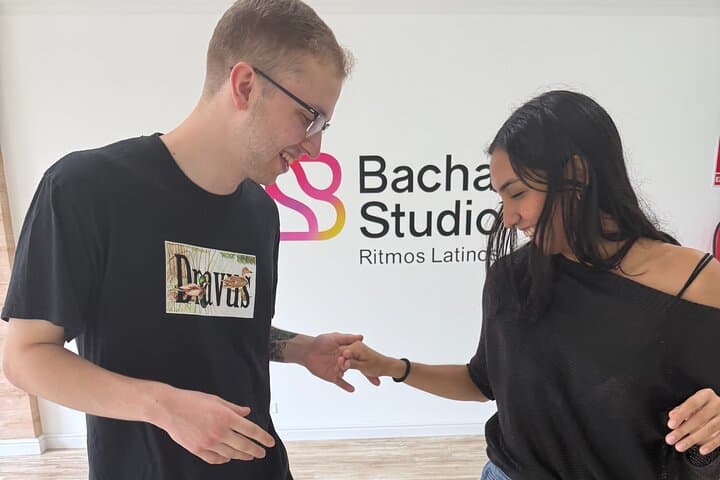
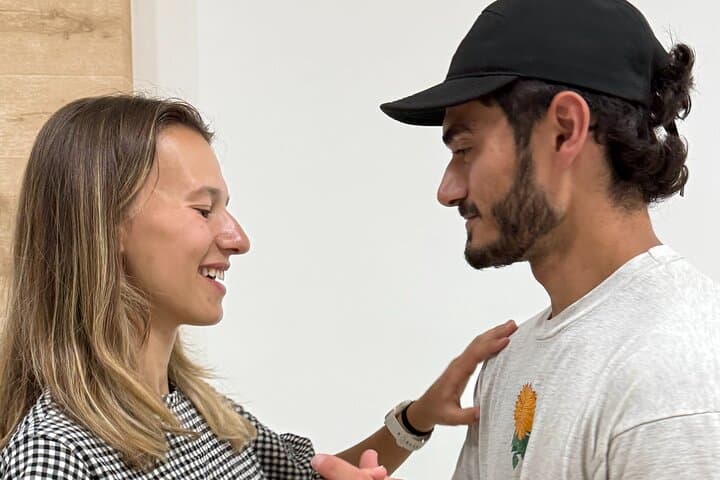
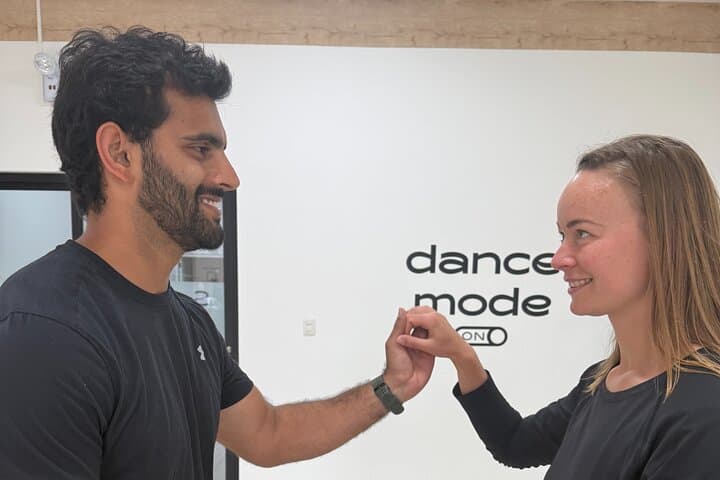
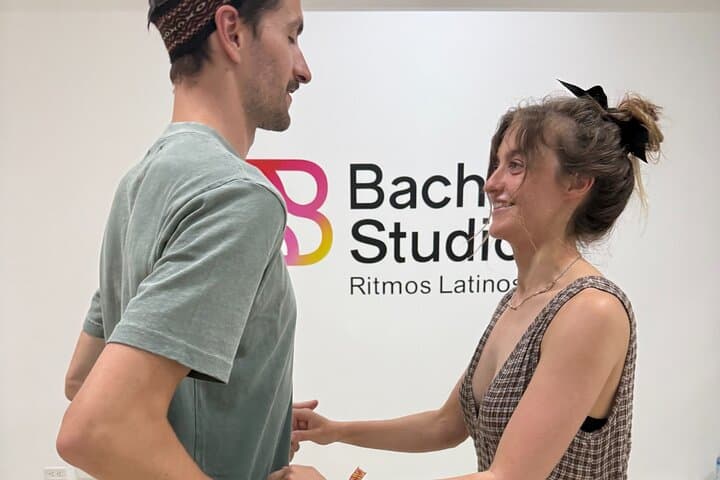
You step into a bright, mirror-lined studio in central Lima, the pulse of a clave tapping through the speakers and a patient instructor counting you in. The room smells faintly of floor polish and sea air carried from the nearby Pacific; movements begin small—weight shifts, timing, basic turns—and by the end of sixty minutes your posture and rhythm have already started to change.
You step into a bright, mirror-lined studio in central Lima, the pulse of a clave tapping through the speakers and a patient instructor counting you in. The room smells faintly of floor polish and sea air carried from the nearby Pacific; movements begin small—weight shifts, timing, basic turns—and by the end of sixty minutes your posture and rhythm have already started to change.
Lima's dance life reflects its layered history. While salsa borrows rhythms from Cuban and Colombian traditions, Peru’s coastal neighborhoods have long embraced Afro-Peruvian beats that feed local styling. Bachata, born in the Dominican Republic, arrived later but became a staple in urban social clubs; both dances arrived in Lima’s clubs and peñas and found local expression.
Geographically, you’re in a desert coastal city where the Pacific’s cool currents shape the climate and the tempo of evenings—thick garúa fog in winter, bright, humid afternoons in summer. Culturally, expect warm, direct instruction: Peruvian teachers emphasize connection and musicality as much as steps.
Practically, this private, one-hour lesson is beginner-focused and tailored to foreigners. The studio provides mirrors, air conditioning and Wi‑Fi; the pace adjusts to you. Wear breathable shoes with a light sole and clothes that allow rotation. Arrive 10 minutes early to warm up and let the instructor know any mobility needs—the studio and nearby transport are wheelchair accessible. After class you’ll be left with basic partner timing, a few repeatable patterns, and a clear next step: practice in a local salsa night or book a follow-up session to build sequences and flair.