THE ADVENTURE COLLECTIVE® · Independent discovery and booking for outdoor travel

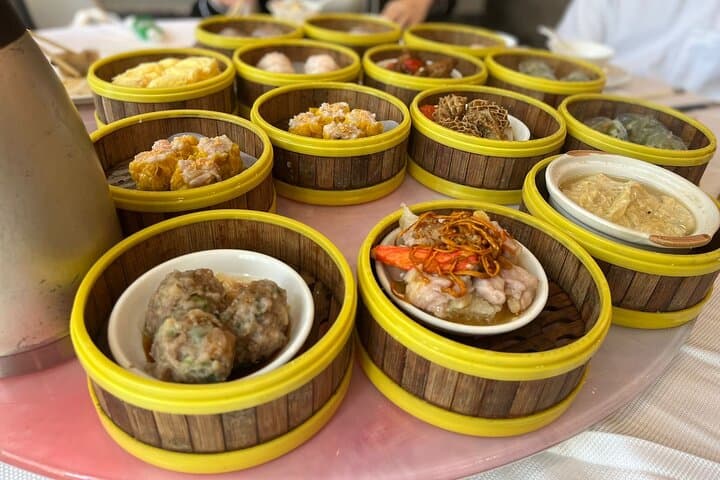
Sit at a crowded table, learn Mahjong tile strategy from a local guide, then refuel with dim sum at a neighborhood restaurant. This 3.5-hour experience pairs hands-on instruction with authentic Cantonese flavors.
Sit at a crowded table, learn Mahjong tile strategy from a local guide, then refuel with dim sum at a neighborhood restaurant. This 3.5-hour experience pairs hands-on instruction with authentic Cantonese flavors.
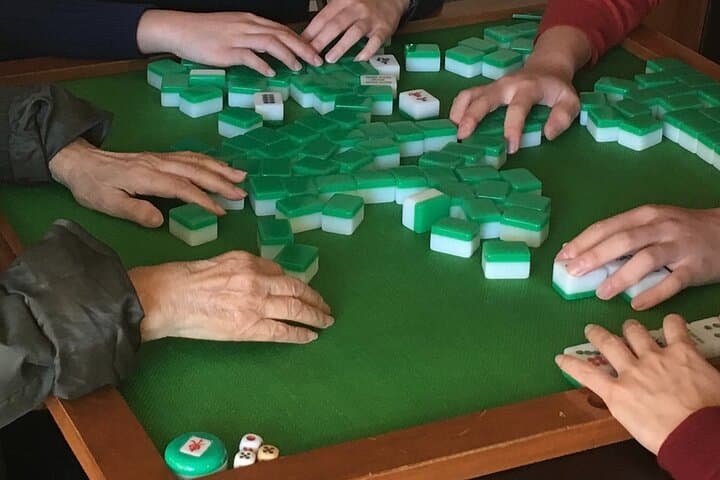
The first clack of tiles greets you before the steam from bamboo baskets reaches the table. In a low-ceilinged neighborhood parlor or a friendly community room, players lean in, reading tiles and each other with a rhythm that feels part language, part ritual. The city around you hums — trams rattling, a ferry horn in the distance — while the table demands focus and quick decisions.
Verified experiences and guided adventures in the surrounding area.
Operated by MJ Win · Hong Kong, Hong Kong SAR
The first clack of tiles greets you before the steam from bamboo baskets reaches the table. In a low-ceilinged neighborhood parlor or a friendly community room, players lean in, reading tiles and each other with a rhythm that feels part language, part ritual. The city around you hums — trams rattling, a ferry horn in the distance — while the table demands focus and quick decisions.
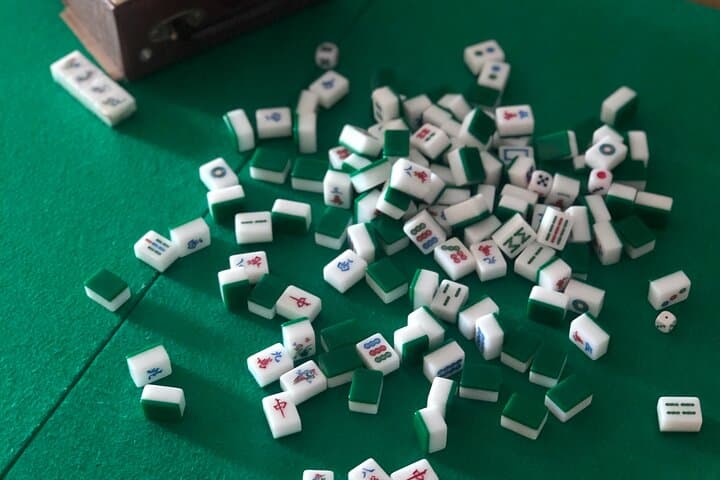
Mahjong arrived in southern China in the late 19th century and became a staple of Cantonese social life, a game of pattern recognition, risk, and social signaling. In Hong Kong, it sits alongside dim sum culture: midday gatherings that pair conversation with small plates and tea. Expect to learn basic hands, scoring, and social cues — when to claim tiles, when to bluff, and when to laugh off a bad draw.
The room itself is part of the lesson: creaky chairs, laminated score sheets, and the cadence of local speech. The instructor will guide small groups through tiles and tactics for about two hours, then lead a short walk to a nearby restaurant for dim sum and tea — a practical way to sample local flavors and practice polite table behavior.
Practical notes: arrive hungry but rested, wear shoes that are easy to remove if you enter private homes, and bring cash for small dishes and tips. The activity is low-impact but mentally engaging; aim to be patient and observant. If you love social games and street-level culture, this pairing of mahjong and dim sum is a compact, immersive introduction to Hong Kong’s living traditions.
easy.
3.5 hours.
Suitable for all fitness levels; requires sustained sitting and light walking
No — the session is designed for beginners and covers basic tiles, hands, and scoring.
Dim sum tasting is included or provided at a nearby restaurant as part of the experience.
The host notes the location is not completely wheelchair accessible; contact the operator for specifics and alternate arrangements.
Instructors typically use English and Cantonese; confirm language support when booking if you need another language.
Mahjong developed in southern China in the late 1800s and became central to Cantonese social life and family gatherings in Hong Kong.
Support small, local eateries and minimize single-use plastics when sampling street food; bring a reusable bottle where possible.
MJ Win operates guided outdoor trips and adventures with an emphasis on safety, stewardship, and memorable experiences.
The first clack of tiles greets you before the steam from bamboo baskets reaches the table. In a low-ceilinged neighborhood parlor or a friendly community room, players lean in, reading tiles and each other with a rhythm that feels part language, part ritual. The city around you hums — trams rattling, a ferry horn in the distance — while the table demands focus and quick decisions.
The first clack of tiles greets you before the steam from bamboo baskets reaches the table. In a low-ceilinged neighborhood parlor or a friendly community room, players lean in, reading tiles and each other with a rhythm that feels part language, part ritual. The city around you hums — trams rattling, a ferry horn in the distance — while the table demands focus and quick decisions.
Mahjong arrived in southern China in the late 19th century and became a staple of Cantonese social life, a game of pattern recognition, risk, and social signaling. In Hong Kong, it sits alongside dim sum culture: midday gatherings that pair conversation with small plates and tea. Expect to learn basic hands, scoring, and social cues — when to claim tiles, when to bluff, and when to laugh off a bad draw.
The room itself is part of the lesson: creaky chairs, laminated score sheets, and the cadence of local speech. The instructor will guide small groups through tiles and tactics for about two hours, then lead a short walk to a nearby restaurant for dim sum and tea — a practical way to sample local flavors and practice polite table behavior.
Practical notes: arrive hungry but rested, wear shoes that are easy to remove if you enter private homes, and bring cash for small dishes and tips. The activity is low-impact but mentally engaging; aim to be patient and observant. If you love social games and street-level culture, this pairing of mahjong and dim sum is a compact, immersive introduction to Hong Kong’s living traditions.