THE ADVENTURE COLLECTIVE® · Independent discovery and booking for outdoor travel

Spend an afternoon in a Beijing mahjong parlor with an English-speaking local guide. Learn tile names, local rules, and social etiquette in a one-hour lesson followed by three hours of authentic gameplay with tea and snacks.
Spend an afternoon in a Beijing mahjong parlor with an English-speaking local guide. Learn tile names, local rules, and social etiquette in a one-hour lesson followed by three hours of authentic gameplay with tea and snacks.
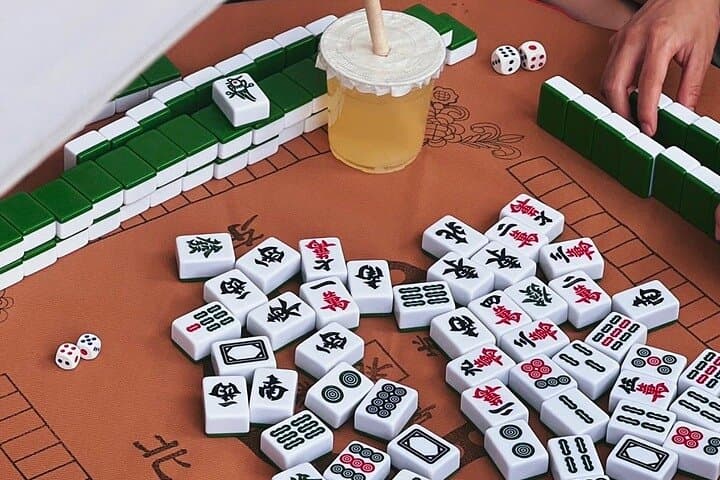
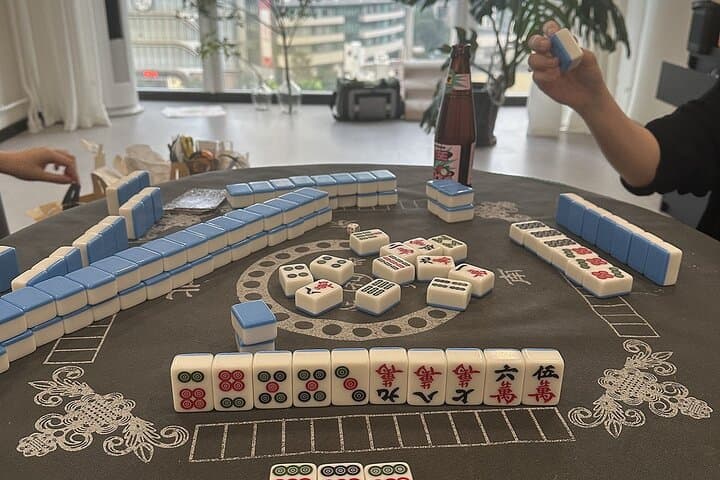
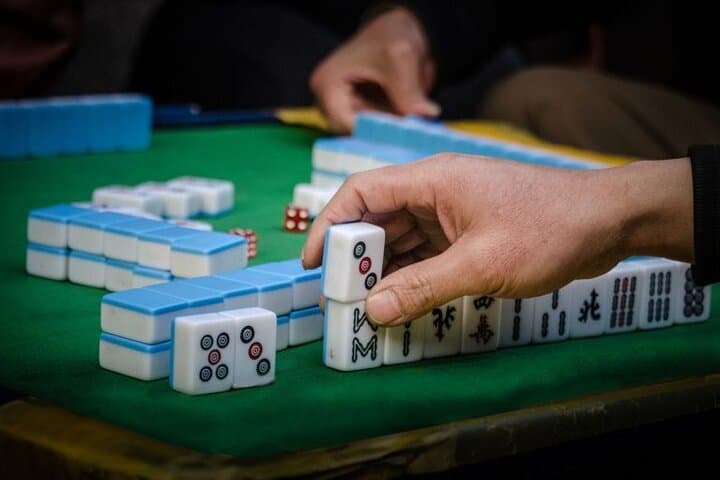
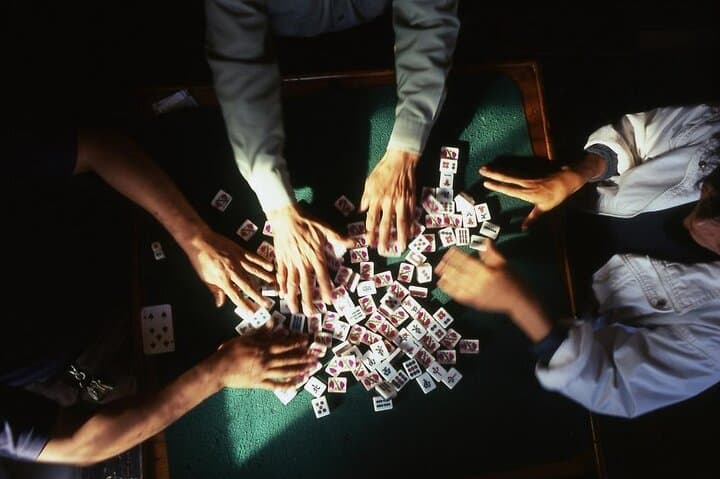
Step through a low doorway into a small Beijing mahjong parlor and the city’s soundscape changes: tiles click like rain on a tin roof, cups clink, and a chorus of shouts punctuates each winning hand. Your host seats you at a well-worn table beneath framed calligraphy; steam from endless pots of tea drifts through the room as an English-speaking partner slides a tray of tiles toward you.
Verified experiences and guided adventures in the surrounding area.
Operated by Jen's Walks · Beijing, Beijing
Step through a low doorway into a small Beijing mahjong parlor and the city’s soundscape changes: tiles click like rain on a tin roof, cups clink, and a chorus of shouts punctuates each winning hand. Your host seats you at a well-worn table beneath framed calligraphy; steam from endless pots of tea drifts through the room as an English-speaking partner slides a tray of tiles toward you.
Mahjong evolved in 19th-century China and became a social staple across regions; Beijing players favor quicker rounds and local betting customs. The setting—often courtyards or narrow hutong shopfronts on the flat North China Plain—keeps the focus on ritual and conversation as much as gameplay. Expect playful banter, regional rule variants, and snacks like sunflower seeds handed around with theatrical flair.
This experience blends a one-hour hands-on lesson with a full three-hour table session, led by locals who teach tile names, scoring basics, and Beijing-style etiquette. It’s social learning: you’ll observe bluffing, strategic discards, and group dynamics that reveal as much about community as the game itself.
Practical notes: sessions run about three to four hours and include tea and snacks; arrive on time, wear comfortable clothes, and be ready to follow local norms—avoid taking photos during intense play and accept light-hearted teasing. Wheelchair access is available, and lessons accommodate beginners and seasoned players alike. Whether you come for strategy, language practice, or cultural exchange, expect an energetic, intimate immersion that leaves you with new skills and a sense of how a table of tiles can hold a neighborhood’s stories.
easy.
3–4 hours.
No special fitness required; suitable for most mobility levels
Yes—sessions start with a one-hour lesson tailored to beginners before forming a full four-player table.
Yes—the experience notes wheelchair accessibility; confirm pickup and exact venue access at booking.
An English-speaking local partner leads the lesson; hosts may use Mandarin during casual banter, but translation help is provided.
Optional post-game hangouts depend on host and guest vibe—ask your host if you’d like to extend the session.
Mahjong likely originated in the 19th century and spread from southern China; by the 20th century it had become a defining social ritual in northern cities like Beijing with local rule variations.
Support small, family-run parlors to keep local social spaces thriving; be mindful of noise, waste, and respectful photography to minimize impact.
Jen's Walks operates guided outdoor trips and adventures with an emphasis on safety, stewardship, and memorable experiences.
Step through a low doorway into a small Beijing mahjong parlor and the city’s soundscape changes: tiles click like rain on a tin roof, cups clink, and a chorus of shouts punctuates each winning hand. Your host seats you at a well-worn table beneath framed calligraphy; steam from endless pots of tea drifts through the room as an English-speaking partner slides a tray of tiles toward you.
Step through a low doorway into a small Beijing mahjong parlor and the city’s soundscape changes: tiles click like rain on a tin roof, cups clink, and a chorus of shouts punctuates each winning hand. Your host seats you at a well-worn table beneath framed calligraphy; steam from endless pots of tea drifts through the room as an English-speaking partner slides a tray of tiles toward you.
Mahjong evolved in 19th-century China and became a social staple across regions; Beijing players favor quicker rounds and local betting customs. The setting—often courtyards or narrow hutong shopfronts on the flat North China Plain—keeps the focus on ritual and conversation as much as gameplay. Expect playful banter, regional rule variants, and snacks like sunflower seeds handed around with theatrical flair.
This experience blends a one-hour hands-on lesson with a full three-hour table session, led by locals who teach tile names, scoring basics, and Beijing-style etiquette. It’s social learning: you’ll observe bluffing, strategic discards, and group dynamics that reveal as much about community as the game itself.
Practical notes: sessions run about three to four hours and include tea and snacks; arrive on time, wear comfortable clothes, and be ready to follow local norms—avoid taking photos during intense play and accept light-hearted teasing. Wheelchair access is available, and lessons accommodate beginners and seasoned players alike. Whether you come for strategy, language practice, or cultural exchange, expect an energetic, intimate immersion that leaves you with new skills and a sense of how a table of tiles can hold a neighborhood’s stories.