THE ADVENTURE COLLECTIVE® · Independent discovery and booking for outdoor travel

A 90-minute hands-on Kun Khmer class in Siem Reap that teaches basic striking, footwork, and cultural context. Ideal for beginners and experienced martial artists looking for an authentic, active introduction to Cambodia’s traditional boxing.
A 90-minute hands-on Kun Khmer class in Siem Reap that teaches basic striking, footwork, and cultural context. Ideal for beginners and experienced martial artists looking for an authentic, active introduction to Cambodia’s traditional boxing.
You step into a compact training hall just off a dusty Siem Reap street; the sound of gloved palms tapping pads and a distant buzz of motorbikes frames the lesson. The coach—often a local master who learned in village rings—moves with economy: blocking, pivoting, and teaching the angled strikes that define Kun Khmer. For 90 minutes you work through stance, basic combinations, and shadow drills, punctuated by short history notes on the art’s place in Cambodian identity.
Verified experiences and guided adventures in the surrounding area.
Operated by Angkor Sakset Boxing Gym · Siem Reap, Siem Reap Province
You step into a compact training hall just off a dusty Siem Reap street; the sound of gloved palms tapping pads and a distant buzz of motorbikes frames the lesson. The coach—often a local master who learned in village rings—moves with economy: blocking, pivoting, and teaching the angled strikes that define Kun Khmer. For 90 minutes you work through stance, basic combinations, and shadow drills, punctuated by short history notes on the art’s place in Cambodian identity.
Kun Khmer predates modern kickboxing styles; it evolved alongside the Angkorian civilization and later adapted during colonial and wartime periods. The region’s flat plains and the Tonle Sap’s seasonal pulse shaped a fighting tradition tuned for endurance and quick footwork rather than pure power. In Siem Reap the practice sits beside temple tourism and local markets, a living cultural practice as much as a workout.
Practically: classes are suitable for beginners but can be scaled for experienced practitioners. Expect guided warm-ups, three rounds of technique work, and basic pad sessions. Organizers typically provide gloves, towels, water, and hotel pickup. Wear breathable athletic clothes, bring a reusable water bottle, and arrive 10–15 minutes early for fitting and a short health check.
This class doubles as cultural orientation—teachers emphasize respect, ritual, and the sport’s community role. Whether you want a robust cardio session or an introduction to Cambodia’s martial lineage, the lesson is compact, direct, and rooted in place.
moderate.
1.5 hours.
Suitable for people with basic fitness; expect moderate cardio, coordination drills, and short contact work
No—classes are designed for beginners and scale up technique and intensity for experienced students.
Yes—organizers typically supply boxing gloves, towels, and bottled water; you can bring personal hand wraps or gloves if preferred.
Not recommended for pregnant guests, people with serious heart conditions, or spinal injuries—disclose issues at booking and before class.
Private pickup is usually offered from central Siem Reap hotels; confirm pickup point when booking.
Kun Khmer is an indigenous Southeast Asian striking art with roots stretching back to Angkorian times and later cross-influences from neighboring styles.
Respect training spaces and dispose of rubbish properly; using reusable water bottles and returning gear to hosts reduces plastic waste.
Angkor Sakset Boxing Gym operates guided outdoor trips and adventures with an emphasis on safety, stewardship, and memorable experiences.
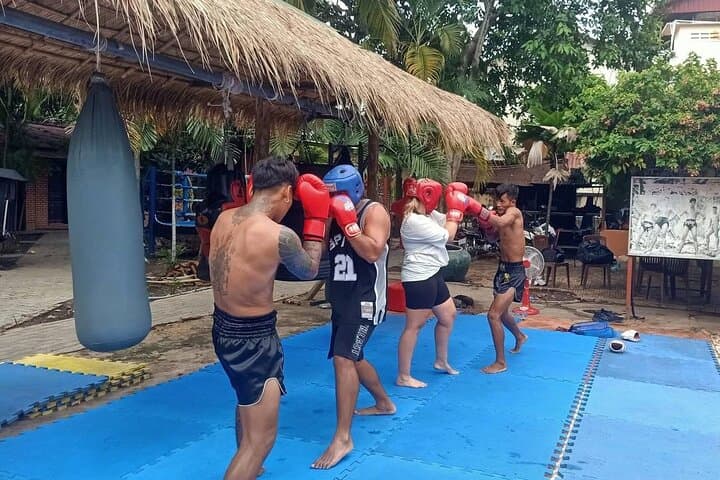
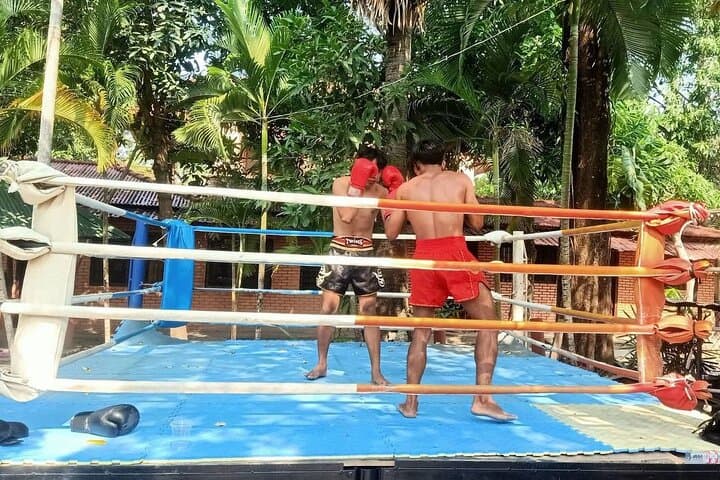
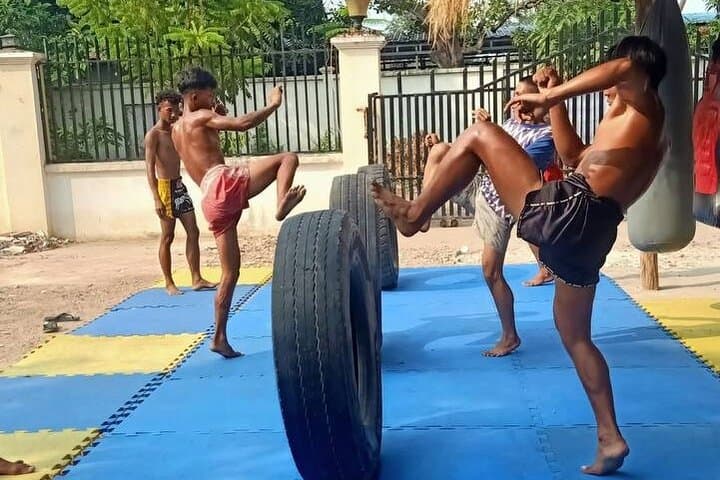
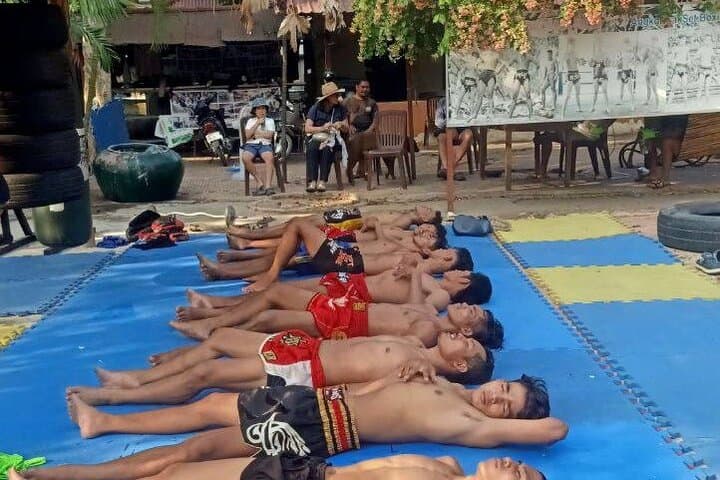
You step into a compact training hall just off a dusty Siem Reap street; the sound of gloved palms tapping pads and a distant buzz of motorbikes frames the lesson. The coach—often a local master who learned in village rings—moves with economy: blocking, pivoting, and teaching the angled strikes that define Kun Khmer. For 90 minutes you work through stance, basic combinations, and shadow drills, punctuated by short history notes on the art’s place in Cambodian identity.
You step into a compact training hall just off a dusty Siem Reap street; the sound of gloved palms tapping pads and a distant buzz of motorbikes frames the lesson. The coach—often a local master who learned in village rings—moves with economy: blocking, pivoting, and teaching the angled strikes that define Kun Khmer. For 90 minutes you work through stance, basic combinations, and shadow drills, punctuated by short history notes on the art’s place in Cambodian identity.
Kun Khmer predates modern kickboxing styles; it evolved alongside the Angkorian civilization and later adapted during colonial and wartime periods. The region’s flat plains and the Tonle Sap’s seasonal pulse shaped a fighting tradition tuned for endurance and quick footwork rather than pure power. In Siem Reap the practice sits beside temple tourism and local markets, a living cultural practice as much as a workout.
Practically: classes are suitable for beginners but can be scaled for experienced practitioners. Expect guided warm-ups, three rounds of technique work, and basic pad sessions. Organizers typically provide gloves, towels, water, and hotel pickup. Wear breathable athletic clothes, bring a reusable water bottle, and arrive 10–15 minutes early for fitting and a short health check.
This class doubles as cultural orientation—teachers emphasize respect, ritual, and the sport’s community role. Whether you want a robust cardio session or an introduction to Cambodia’s martial lineage, the lesson is compact, direct, and rooted in place.