THE ADVENTURE COLLECTIVE® · Independent discovery and booking for outdoor travel

Step into a Tokyo dojo for a focused, beginner-friendly karate session led by a black belt instructor. Learn basics, try a kata, break a wooden board, and take home a personal belt and photos in a rented dogi.
Step into a Tokyo dojo for a focused, beginner-friendly karate session led by a black belt instructor. Learn basics, try a kata, break a wooden board, and take home a personal belt and photos in a rented dogi.
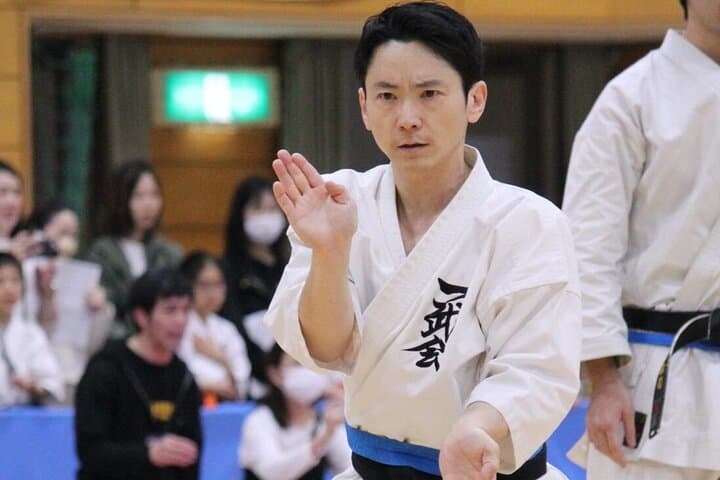
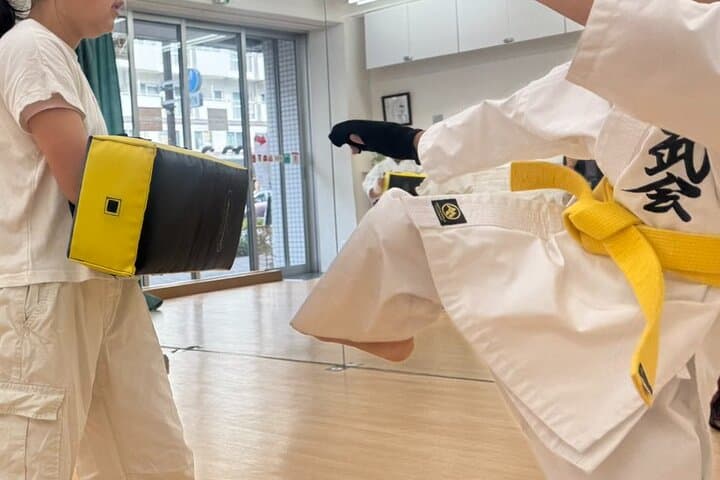
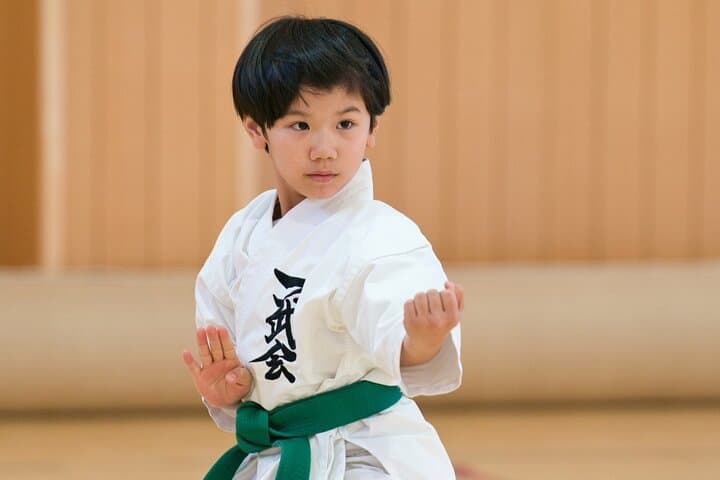
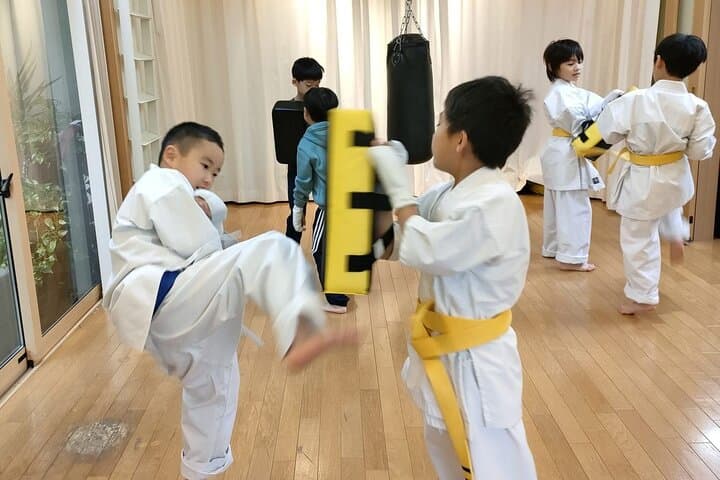
Stepping through the sliding door, the room quiets: wooden floors, a single line of mirrors, and the low hum of Tokyo outside. Participants bow, slip into a rented dogi, and meet a black belt instructor whose rhythm sets the pace. Ten minutes in, the atmosphere shifts—movements sharpen, breath steadies, and the wooden board at the end of the session waits like a small, tangible challenge.
Verified experiences and guided adventures in the surrounding area.
Operated by Motu · Tokyo, Tokyo
Stepping through the sliding door, the room quiets: wooden floors, a single line of mirrors, and the low hum of Tokyo outside. Participants bow, slip into a rented dogi, and meet a black belt instructor whose rhythm sets the pace. Ten minutes in, the atmosphere shifts—movements sharpen, breath steadies, and the wooden board at the end of the session waits like a small, tangible challenge.
Karate’s roots trace to Okinawa and Chinese striking systems; in Tokyo it has evolved into a disciplined practice that emphasizes respect, form, and focus. Practitioners here run through kihon (basics), a short kata demonstration, and partner drills before attempting a controlled board break—an exercise in timing and body alignment rather than brute force. The class sits on the Kanto Plain, an urban seismic landscape where balance and stance take on literal meaning.
Expect clear, step-by-step instruction suitable for newcomers: warm-up, stance and punch fundamentals, a kata demonstration, guided board-breaking, and photographs in your rented dogi and belt. The dojo enforces traditional etiquette—bowing, removing shoes, and listening attentively—which is part of the cultural lesson.
Practical tips: arrive 10–15 minutes early to change, bring a water bottle and a small towel, and wear shorts or athletic clothing under the dogi if you prefer. Public transit access is straightforward; classes are private and family-friendly. Time your visit to avoid rush hour on Tokyo trains, and remember the takeaway—beyond the souvenir belt—is a concrete introduction to technique and Japanese martial culture.
easy.
1–2 hours.
Suitable for most fitness levels; basic coordination and mobility recommended for balance and striking drills.
No, the session is designed for beginners and covers basic stance, punches, a short kata, and guided board-breaking.
Yes, dogi and belt rental is included in the experience; you may bring your own if preferred.
Many dojos welcome families; check age policies during booking and disclose age on your reservation form.
Comfortable athletic shorts or leggings and a t-shirt are recommended; avoid restrictive clothing and jewelry.
Karate developed in Okinawa from indigenous and Chinese fighting arts; in Tokyo it has been codified into formal dojos emphasizing discipline and kata preservation.
Dojo operations have a small environmental footprint; choose public transit to reduce emissions and avoid single-use plastics when possible.
Motu operates guided outdoor trips and adventures with an emphasis on safety, stewardship, and memorable experiences.
Stepping through the sliding door, the room quiets: wooden floors, a single line of mirrors, and the low hum of Tokyo outside. Participants bow, slip into a rented dogi, and meet a black belt instructor whose rhythm sets the pace. Ten minutes in, the atmosphere shifts—movements sharpen, breath steadies, and the wooden board at the end of the session waits like a small, tangible challenge.
Stepping through the sliding door, the room quiets: wooden floors, a single line of mirrors, and the low hum of Tokyo outside. Participants bow, slip into a rented dogi, and meet a black belt instructor whose rhythm sets the pace. Ten minutes in, the atmosphere shifts—movements sharpen, breath steadies, and the wooden board at the end of the session waits like a small, tangible challenge.
Karate’s roots trace to Okinawa and Chinese striking systems; in Tokyo it has evolved into a disciplined practice that emphasizes respect, form, and focus. Practitioners here run through kihon (basics), a short kata demonstration, and partner drills before attempting a controlled board break—an exercise in timing and body alignment rather than brute force. The class sits on the Kanto Plain, an urban seismic landscape where balance and stance take on literal meaning.
Expect clear, step-by-step instruction suitable for newcomers: warm-up, stance and punch fundamentals, a kata demonstration, guided board-breaking, and photographs in your rented dogi and belt. The dojo enforces traditional etiquette—bowing, removing shoes, and listening attentively—which is part of the cultural lesson.
Practical tips: arrive 10–15 minutes early to change, bring a water bottle and a small towel, and wear shorts or athletic clothing under the dogi if you prefer. Public transit access is straightforward; classes are private and family-friendly. Time your visit to avoid rush hour on Tokyo trains, and remember the takeaway—beyond the souvenir belt—is a concrete introduction to technique and Japanese martial culture.