THE ADVENTURE COLLECTIVE® · Independent discovery and booking for outdoor travel

Learn real K-pop choreography from an active professional in Seoul during a 90-minute beginner-friendly session that ends with photos and a video. Ideal for first-timers and fans who want an inside look at how K-pop moves are taught.
Learn real K-pop choreography from an active professional in Seoul during a 90-minute beginner-friendly session that ends with photos and a video. Ideal for first-timers and fans who want an inside look at how K-pop moves are taught.
The studio lights are simple—bright panels, mirrored walls, a sprung floor that takes the impact of a hundred rehearsals—and the beat arrives before the teacher does, nudging bodies into rhythm. In a 90-minute session in central Seoul, participants move from warm-up to full choreography, following an instructor who works in Korea’s active dance scene.
Verified experiences and guided adventures in the surrounding area.
Operated by YES KPOP DANCE · Seoul, Seoul
The studio lights are simple—bright panels, mirrored walls, a sprung floor that takes the impact of a hundred rehearsals—and the beat arrives before the teacher does, nudging bodies into rhythm. In a 90-minute session in central Seoul, participants move from warm-up to full choreography, following an instructor who works in Korea’s active dance scene.
Seoul’s modern skyline sits on the broad Han River plain, ringed by low granite ridges like Bukhansan; the city’s compact geography made concentrated training hubs possible and helped K-pop flourish as performance culture in the 1990s and 2000s. Dance schools here echo that history: efficient, disciplined, and culturally central to idol development. For travelers, the class is a cultural microcosm—language taught in English, K-pop moves taught in Korean-pop timing.
Expect a practical lesson plan: light stretching, breakdown of steps, repetition with counts, then running the routine at performance speed. The session ends with photos and a video of the group performance—useful keepsakes and social-ready clips.
Bring supportive sneakers and breathable layers, hydrate before class, and arrive 10–15 minutes early to sign waivers and warm up. Public transit access is strong across Seoul—plan for off-peak travel to avoid crowds. If you want a deeper experience, book multiple classes or combine this with a studio tour in Hongdae or Gangnam to see how practice spaces vary.
This is low-risk but physically active: be mindful of pre-existing injuries and follow instructor modifications. Leave with a short clip, a new muscle memory, and a better sense of how K-pop choreography is taught where it’s made.
moderate.
1.5 hours.
Should be comfortable with 30–60 minutes of moderate cardio and standing practice; some coordination helps.
No—this class is designed for beginners; instructors teach choreography step-by-step and offer simpler variations.
Yes—group photo and video time is part of the session so you can capture your performance for social sharing.
Age requirements vary by operator; bookings typically ask for date of birth and age band—check provider details when reserving.
Yes—most Seoul studios are close to subway stops or bus routes; travel by public transit to avoid heavy traffic.
K-pop’s modern structure grew in Seoul through the 1990s and 2000s, with intensive dance training becoming a core part of idol development and urban culture.
Use public transport and support small independent studios; minimize waste by bringing a reusable bottle and following studio rules to reduce noise and energy use.
YES KPOP DANCE operates guided outdoor trips and adventures with an emphasis on safety, stewardship, and memorable experiences.
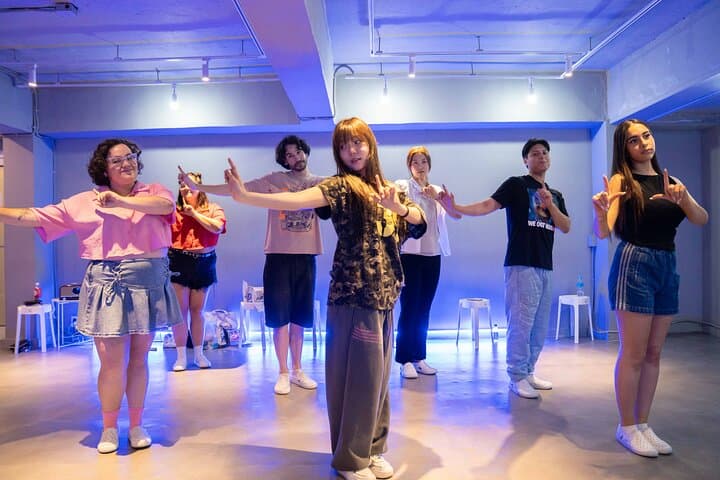
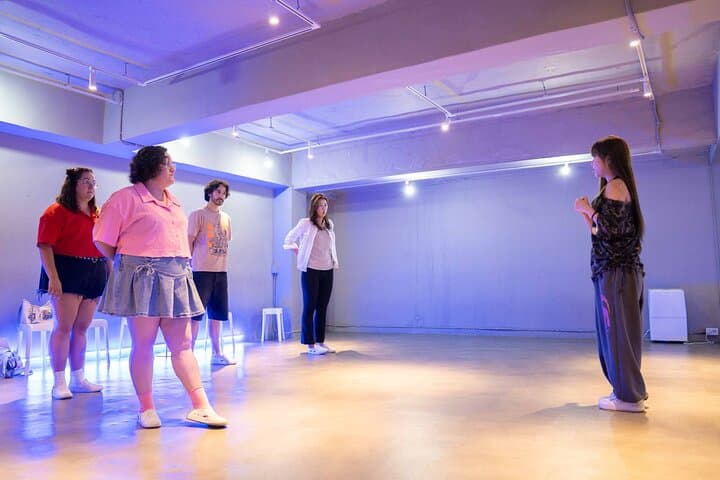
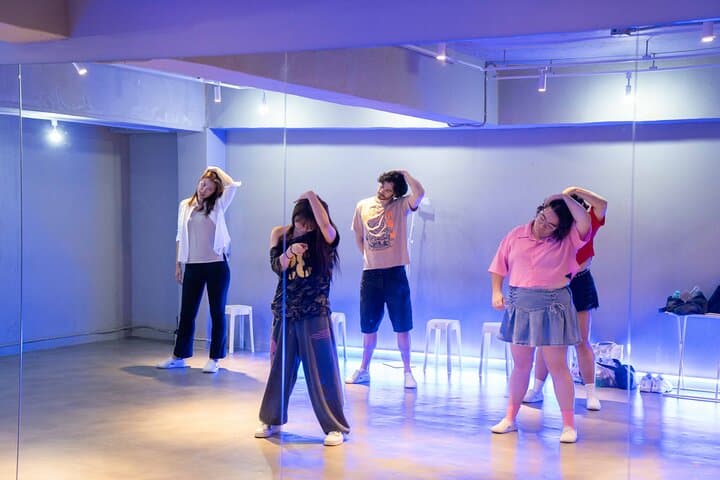
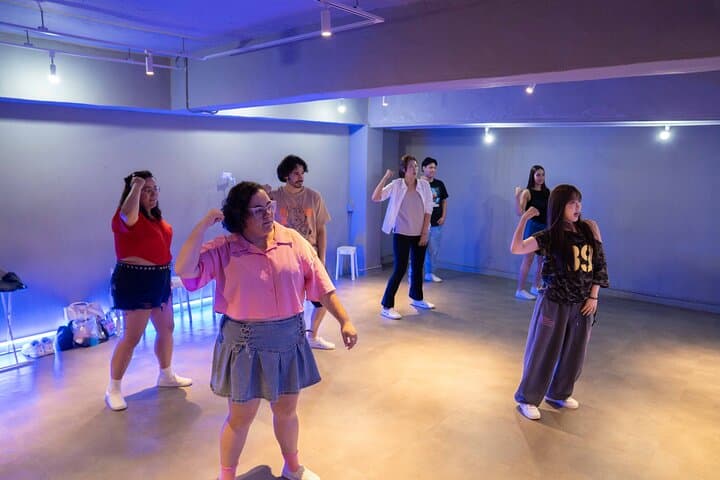
The studio lights are simple—bright panels, mirrored walls, a sprung floor that takes the impact of a hundred rehearsals—and the beat arrives before the teacher does, nudging bodies into rhythm. In a 90-minute session in central Seoul, participants move from warm-up to full choreography, following an instructor who works in Korea’s active dance scene.
The studio lights are simple—bright panels, mirrored walls, a sprung floor that takes the impact of a hundred rehearsals—and the beat arrives before the teacher does, nudging bodies into rhythm. In a 90-minute session in central Seoul, participants move from warm-up to full choreography, following an instructor who works in Korea’s active dance scene.
Seoul’s modern skyline sits on the broad Han River plain, ringed by low granite ridges like Bukhansan; the city’s compact geography made concentrated training hubs possible and helped K-pop flourish as performance culture in the 1990s and 2000s. Dance schools here echo that history: efficient, disciplined, and culturally central to idol development. For travelers, the class is a cultural microcosm—language taught in English, K-pop moves taught in Korean-pop timing.
Expect a practical lesson plan: light stretching, breakdown of steps, repetition with counts, then running the routine at performance speed. The session ends with photos and a video of the group performance—useful keepsakes and social-ready clips.
Bring supportive sneakers and breathable layers, hydrate before class, and arrive 10–15 minutes early to sign waivers and warm up. Public transit access is strong across Seoul—plan for off-peak travel to avoid crowds. If you want a deeper experience, book multiple classes or combine this with a studio tour in Hongdae or Gangnam to see how practice spaces vary.
This is low-risk but physically active: be mindful of pre-existing injuries and follow instructor modifications. Leave with a short clip, a new muscle memory, and a better sense of how K-pop choreography is taught where it’s made.