THE ADVENTURE COLLECTIVE® · Independent discovery and booking for outdoor travel

Step into a Tokyo dojo for a 90-minute Iaido workshop that teaches the draw, cut, and sheath of the katana under a seasoned instructor. This hands-on session blends technical practice with cultural context—no previous experience required.
Step into a Tokyo dojo for a 90-minute Iaido workshop that teaches the draw, cut, and sheath of the katana under a seasoned instructor. This hands-on session blends technical practice with cultural context—no previous experience required.
The room is spare and bright; polished wood underfoot, rolled tatami mats waiting like patient teachers. You step in, don the simple jacket, and the clack of a katana in its saya punctuates the air. For ninety minutes Tokyo’s hum falls away and the measured cadence of Iaido—draw, cut, sheath—takes over.
Verified experiences and guided adventures in the surrounding area.
Operated by YANESEN Tourist Information & Culture Center. · Tokyo, Tokyo
The room is spare and bright; polished wood underfoot, rolled tatami mats waiting like patient teachers. You step in, don the simple jacket, and the clack of a katana in its saya punctuates the air. For ninety minutes Tokyo’s hum falls away and the measured cadence of Iaido—draw, cut, sheath—takes over.
Iaido evolved in the upheavals of feudal Japan as a practice of readiness and discipline. Its movements reflect the islands’ history of samurai etiquette and battlefield necessity: precise, economical, and ritualized. Tokyo itself sits on the flat Kanto plain formed by volcanic soils and river alluvium; here the martial art has moved from battlefields to dojos, preserved as cultural heritage.
The experience blends technique with context. Expect instruction on posture, the single-handed draw, and Shizan target cutting into rolled tatami under careful supervision. An English-speaking attendant interprets the philosophy—respect for the blade, control of breath, and the historical role of the samurai—and a certificate marks your participation.
Practical guidance: arrive ten minutes early, wear comfortable clothing that allows hip rotation, and remove jewelry. The activity is physically light but requires coordination and the ability to kneel or stand repeatedly; disclose any back or heart conditions beforehand. Photography rules and safety protocols vary by dojo—follow the instructor.
This workshop is not an extreme workout but an intimate cultural exchange: a chance to move with a weapon that shaped Japanese history and to leave with a clearer sense of discipline, timing, and the quiet power of precise motion.
easy.
1.5 hours.
Suitable for most people with basic mobility; must be able to kneel and stand repeatedly and follow paced instruction.
No—this workshop is designed for beginners and focuses on basic Iaido forms and safety under direct supervision.
Yes—practice includes handling real katanas for draw and sheathing; cutting uses rolled tatami targets with strict safety protocols.
Participants must be able to follow instructions and typically need to be at least teenagers; check the operator’s booking questions for age policies.
The activity is not recommended for those with spinal injuries, cardiovascular issues, or pregnant participants—inform the provider when booking.
Iaido developed during the samurai era as a discipline for swift, efficient sword response and later became codified as a modern martial art taught in dojos across Japan.
Respectful preservation of traditional tatami and authentic swords is important; supporting certified instructors helps sustain cultural heritage and safe disposal practices for training materials.
YANESEN Tourist Information & Culture Center. operates guided outdoor trips and adventures with an emphasis on safety, stewardship, and memorable experiences.
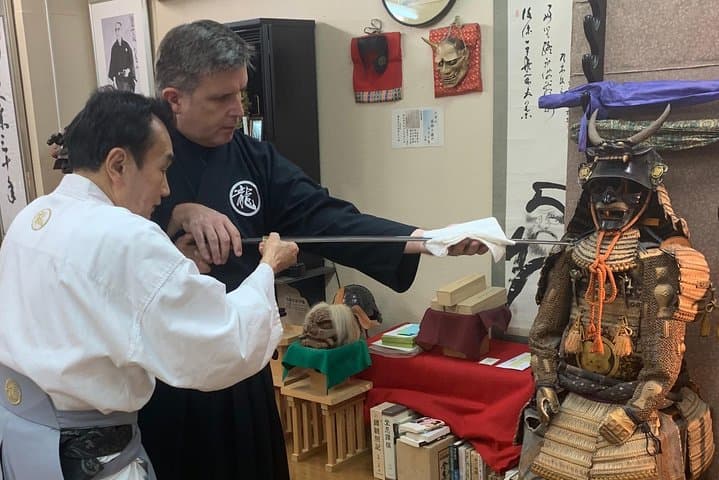
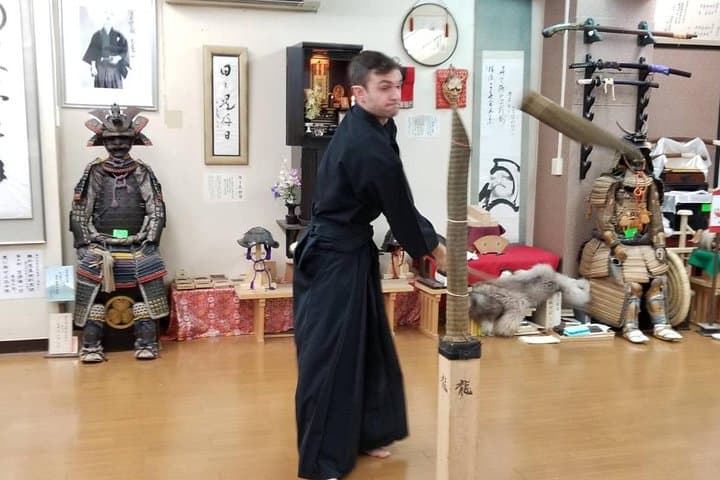
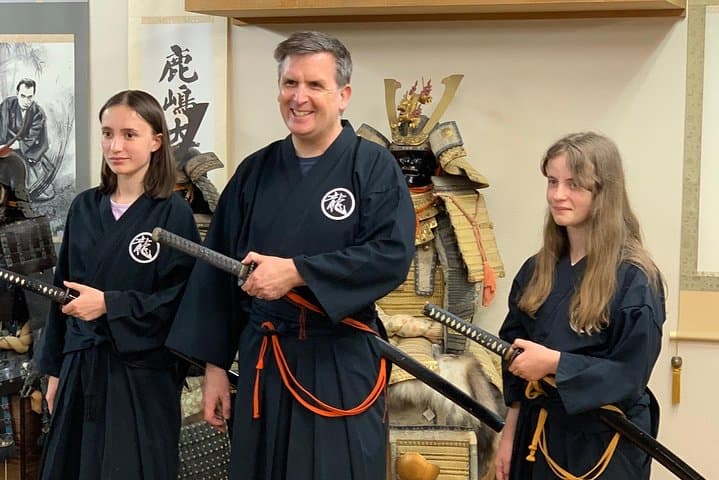
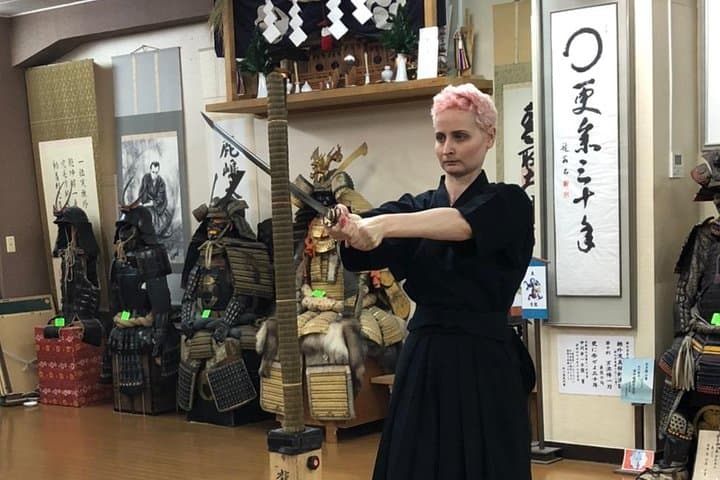
The room is spare and bright; polished wood underfoot, rolled tatami mats waiting like patient teachers. You step in, don the simple jacket, and the clack of a katana in its saya punctuates the air. For ninety minutes Tokyo’s hum falls away and the measured cadence of Iaido—draw, cut, sheath—takes over.
The room is spare and bright; polished wood underfoot, rolled tatami mats waiting like patient teachers. You step in, don the simple jacket, and the clack of a katana in its saya punctuates the air. For ninety minutes Tokyo’s hum falls away and the measured cadence of Iaido—draw, cut, sheath—takes over.
Iaido evolved in the upheavals of feudal Japan as a practice of readiness and discipline. Its movements reflect the islands’ history of samurai etiquette and battlefield necessity: precise, economical, and ritualized. Tokyo itself sits on the flat Kanto plain formed by volcanic soils and river alluvium; here the martial art has moved from battlefields to dojos, preserved as cultural heritage.
The experience blends technique with context. Expect instruction on posture, the single-handed draw, and Shizan target cutting into rolled tatami under careful supervision. An English-speaking attendant interprets the philosophy—respect for the blade, control of breath, and the historical role of the samurai—and a certificate marks your participation.
Practical guidance: arrive ten minutes early, wear comfortable clothing that allows hip rotation, and remove jewelry. The activity is physically light but requires coordination and the ability to kneel or stand repeatedly; disclose any back or heart conditions beforehand. Photography rules and safety protocols vary by dojo—follow the instructor.
This workshop is not an extreme workout but an intimate cultural exchange: a chance to move with a weapon that shaped Japanese history and to leave with a clearer sense of discipline, timing, and the quiet power of precise motion.