THE ADVENTURE COLLECTIVE® · Independent discovery and booking for outdoor travel

Step into a Valencia studio and learn flamenco in an energetic one-hour session that teaches basic footwork, palmas, and posture. Ideal for beginners, the class blends cultural context with hands-on practice and WhatsApp-based meeting confirmations.
Step into a Valencia studio and learn flamenco in an energetic one-hour session that teaches basic footwork, palmas, and posture. Ideal for beginners, the class blends cultural context with hands-on practice and WhatsApp-based meeting confirmations.
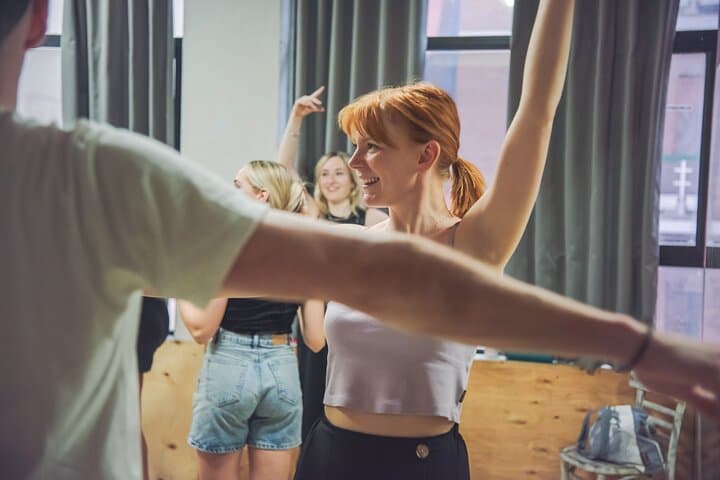
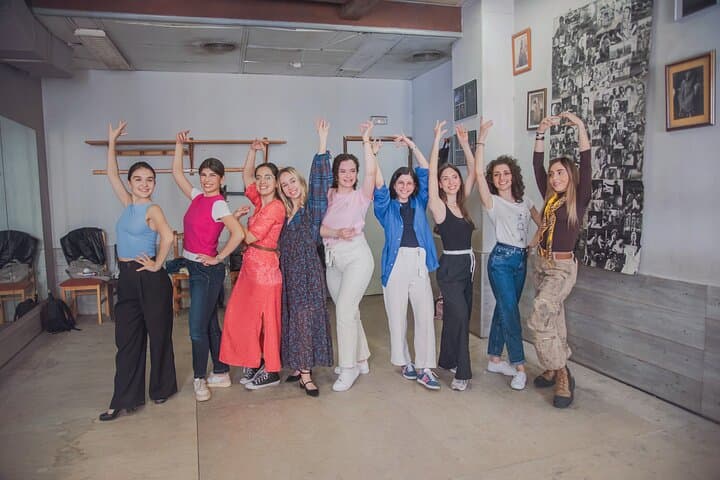
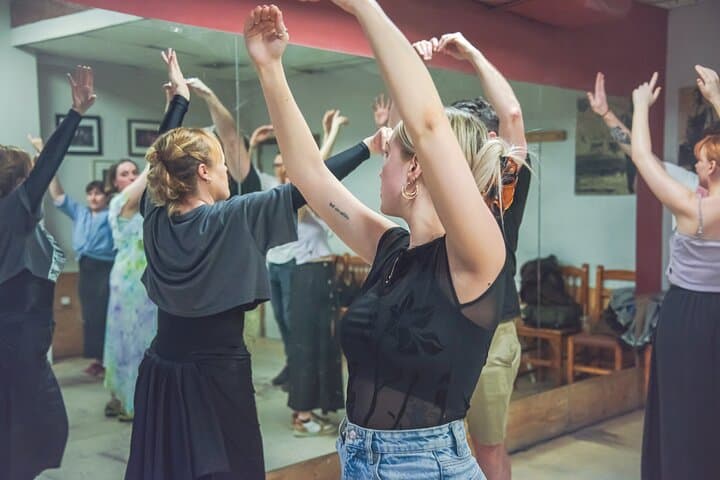
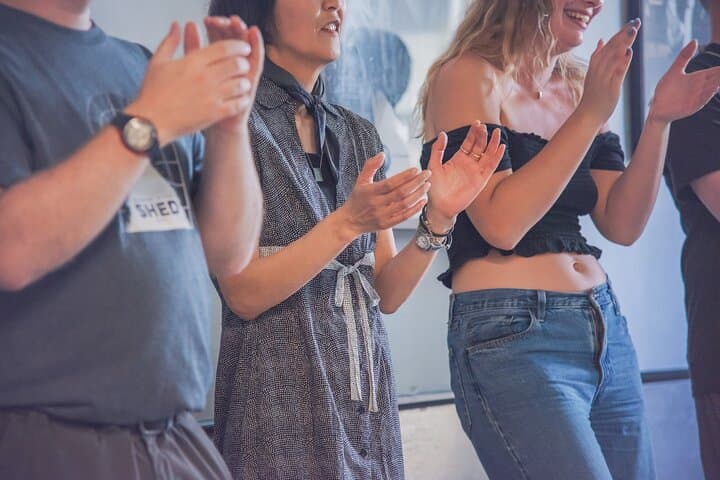
The studio door opens onto a narrow Valencia street and the first sound is rhythm — palms striking, heels finding a beat on wood. Sunlight from a high window slices across the floor as an instructor counts in Spanish; within minutes the pulse of flamenco has you stepping, clapping, and shifting weight in time with a music tradition that insists you move.
Verified experiences and guided adventures in the surrounding area.
Operated by MADride Travel · Valencia, Valencia
The studio door opens onto a narrow Valencia street and the first sound is rhythm — palms striking, heels finding a beat on wood. Sunlight from a high window slices across the floor as an instructor counts in Spanish; within minutes the pulse of flamenco has you stepping, clapping, and shifting weight in time with a music tradition that insists you move.
Flamenco’s origin is rooted in Andalusia but draws on Arabic, Jewish, Romani and Christian influences; in Valencia the style is taught with a local sensibility, often peppered with references to the Mediterranean’s relaxed timing and regional song forms. Valencia itself sits beside the Turia riverbed gardens and near the Albufera lagoon — a flat, sedimentary plain that shaped the city’s trade and tastes (including paella). The city’s Gothic and Moorish architecture provides a backdrop for an evening class or a pre-class walk through Mercado Central.
Practical guidance: this one-hour, beginner-friendly session focuses on basic footwork, palmas (hand clapping) and posture. Arrive 10–15 minutes early to confirm location; meeting points vary and are confirmed by WhatsApp. Wear comfortable clothes that let hips and ankles move; low-heeled closed shoes or non-marking dance shoes work best. Hydrate — classes are lively and rhythmic — and avoid heavy meals directly before dancing. The hour is intense but accessible: expect short combinations, repetition, and a quick rundown of flamenco vocabulary.
Whether you go to learn a step or to feel the rhythm, the class is a compact cultural exchange: part movement lesson, part social ritual. It’s best taken with an open mind and shoes you can trust.
easy.
1 hour.
Suitable for most fitness levels; basic coordination and light lower-body stamina helpful
No — the class is designed for beginners and focuses on foundational steps, clapping patterns and posture with step-by-step instruction.
Meeting points vary by studio; organizers send the confirmed address via WhatsApp before the class, so ensure your phone number is correct when booking.
Younger children may join if coordinated and able to follow instructions, but check age guidelines with the operator and mention any special requirements when booking.
Instruction is typically in Spanish, but many instructors provide English explanations for international students; confirm language needs when booking.
Flamenco evolved in southern Spain with multicultural influences; Valencia’s maritime and Moorish past shaped local music and dance preferences that instructors often reference in class.
Studios have a small footprint—choose public transit or walking to reduce emissions, and respect noise limits in residential neighborhoods; if visiting Albufera, stick to marked paths to protect bird habitat.
MADride Travel operates guided outdoor trips and adventures with an emphasis on safety, stewardship, and memorable experiences.
The studio door opens onto a narrow Valencia street and the first sound is rhythm — palms striking, heels finding a beat on wood. Sunlight from a high window slices across the floor as an instructor counts in Spanish; within minutes the pulse of flamenco has you stepping, clapping, and shifting weight in time with a music tradition that insists you move.
The studio door opens onto a narrow Valencia street and the first sound is rhythm — palms striking, heels finding a beat on wood. Sunlight from a high window slices across the floor as an instructor counts in Spanish; within minutes the pulse of flamenco has you stepping, clapping, and shifting weight in time with a music tradition that insists you move.
Flamenco’s origin is rooted in Andalusia but draws on Arabic, Jewish, Romani and Christian influences; in Valencia the style is taught with a local sensibility, often peppered with references to the Mediterranean’s relaxed timing and regional song forms. Valencia itself sits beside the Turia riverbed gardens and near the Albufera lagoon — a flat, sedimentary plain that shaped the city’s trade and tastes (including paella). The city’s Gothic and Moorish architecture provides a backdrop for an evening class or a pre-class walk through Mercado Central.
Practical guidance: this one-hour, beginner-friendly session focuses on basic footwork, palmas (hand clapping) and posture. Arrive 10–15 minutes early to confirm location; meeting points vary and are confirmed by WhatsApp. Wear comfortable clothes that let hips and ankles move; low-heeled closed shoes or non-marking dance shoes work best. Hydrate — classes are lively and rhythmic — and avoid heavy meals directly before dancing. The hour is intense but accessible: expect short combinations, repetition, and a quick rundown of flamenco vocabulary.
Whether you go to learn a step or to feel the rhythm, the class is a compact cultural exchange: part movement lesson, part social ritual. It’s best taken with an open mind and shoes you can trust.