THE ADVENTURE COLLECTIVE® · Independent discovery and booking for outdoor travel

Learn the beating heart of Andalusian flamenco in a focused, one-hour beginners’ class in Seville. Gain basic footwork, palmas and rhythm in a small studio setting and leave with a practical sense of the art and where to hear it live.
Learn the beating heart of Andalusian flamenco in a focused, one-hour beginners’ class in Seville. Gain basic footwork, palmas and rhythm in a small studio setting and leave with a practical sense of the art and where to hear it live.
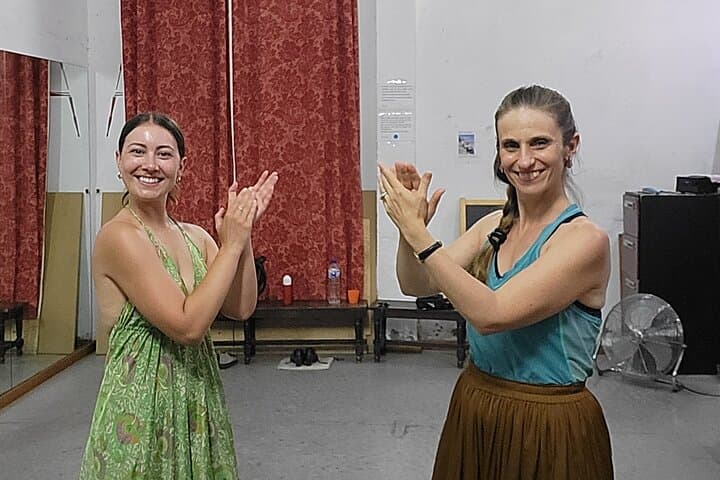
You step into a low-ceilinged studio off a narrow Sevillian street; sunlight angles across worn wooden floors as a guitar thread of compás draws everyone toward rhythm. The teacher greets you with a click of the hands, and within minutes the basic footfalls, hand claps (palmas), and posture begin to line up into something that feels like conversation.
Verified experiences and guided adventures in the surrounding area.
Operated by Eva y la hora · Seville, Andalusia
You step into a low-ceilinged studio off a narrow Sevillian street; sunlight angles across worn wooden floors as a guitar thread of compás draws everyone toward rhythm. The teacher greets you with a click of the hands, and within minutes the basic footfalls, hand claps (palmas), and posture begin to line up into something that feels like conversation.
Flamenco emerged in Andalusia across the 18th and 19th centuries as a living mix of Romani, Moorish, Jewish and local folk traditions. In Seville, the art lives both in formal tablaos and in small peñas where intensity matters more than polish. Geology here is not mountains but the river and plazas that shaped neighborhoods—Triana’s ceramic quarter and the riverfront have long been incubators of the dance.
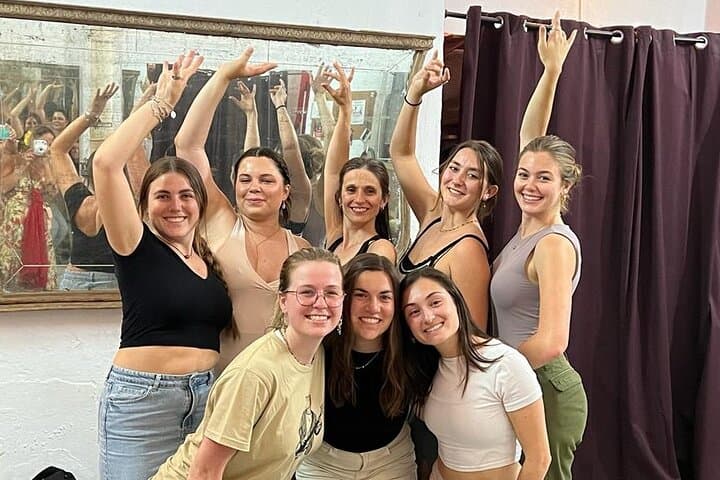
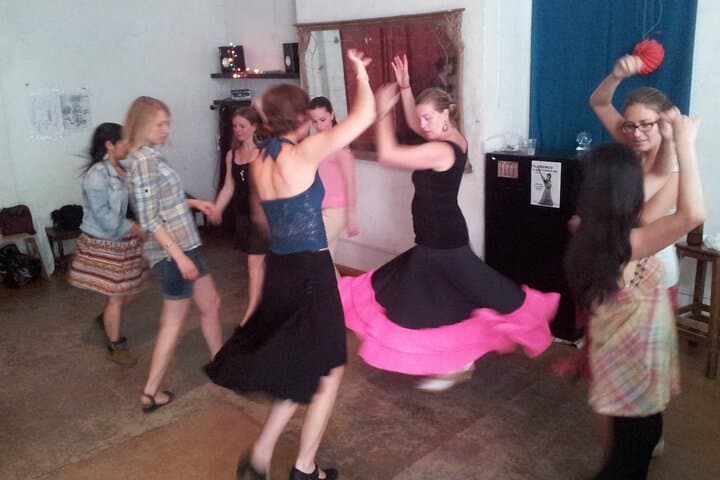
This one-hour beginner class focuses on foundational steps, basic rhythms and expressive hand and arm work. Expect hands-on corrections, short combinations, and repeated counts to build confidence. No prior experience required; the pace is welcoming but physical—standing, shifting weight and striking percussive steps.
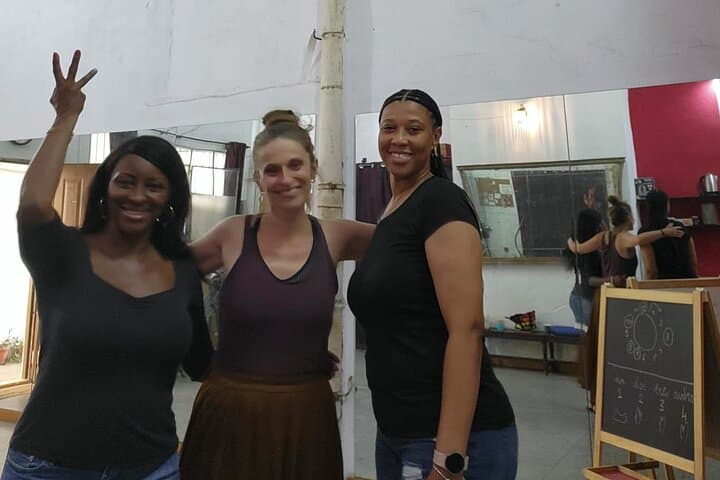
Practical tips: arrive early to warm up, wear shoes with a sturdy sole and a modest heel if you have them, and bring water. Classes are often small (under a dozen students), and many teachers encourage attending a live show afterward to hear the rhythms in context. Public transport and pedestrian streets make the studio easy to reach, but cobbles can be uneven—plan footwear accordingly.
This session is both an introduction to technique and a doorway into Seville’s living flamenco culture—short, instructive, and ready to spark further exploration.
easy.
1 hour.
Suitable for all fitness levels but requires standing and basic coordination; light cardio and leg strength help.
No experience is required; the class is designed for absolute beginners and focuses on basic steps, rhythm and posture.
Most classes in central Seville are taught in Spanish with frequent English explanations; confirm with the operator if you need instruction exclusively in English.
Classes are generally open to adults and older teens; check with the provider for child-specific policies or family sessions.
Full refunds are typically offered if you cancel at least 24 hours before the scheduled start; check the booking confirmation for exact terms.
Flamenco crystallized in Andalusia during the 18th–19th centuries as a convergence of Romani, Moorish, Jewish and local rural styles, with Seville a central hub for performance and innovation.
Support small local tablaos and teachers to sustain living cultural heritage; avoid unauthorized recordings and respect venue capacity to minimize strain on intimate performance spaces.
Eva y la hora operates guided outdoor trips and adventures with an emphasis on safety, stewardship, and memorable experiences.
You step into a low-ceilinged studio off a narrow Sevillian street; sunlight angles across worn wooden floors as a guitar thread of compás draws everyone toward rhythm. The teacher greets you with a click of the hands, and within minutes the basic footfalls, hand claps (palmas), and posture begin to line up into something that feels like conversation.
You step into a low-ceilinged studio off a narrow Sevillian street; sunlight angles across worn wooden floors as a guitar thread of compás draws everyone toward rhythm. The teacher greets you with a click of the hands, and within minutes the basic footfalls, hand claps (palmas), and posture begin to line up into something that feels like conversation.
Flamenco emerged in Andalusia across the 18th and 19th centuries as a living mix of Romani, Moorish, Jewish and local folk traditions. In Seville, the art lives both in formal tablaos and in small peñas where intensity matters more than polish. Geology here is not mountains but the river and plazas that shaped neighborhoods—Triana’s ceramic quarter and the riverfront have long been incubators of the dance.
This one-hour beginner class focuses on foundational steps, basic rhythms and expressive hand and arm work. Expect hands-on corrections, short combinations, and repeated counts to build confidence. No prior experience required; the pace is welcoming but physical—standing, shifting weight and striking percussive steps.
Practical tips: arrive early to warm up, wear shoes with a sturdy sole and a modest heel if you have them, and bring water. Classes are often small (under a dozen students), and many teachers encourage attending a live show afterward to hear the rhythms in context. Public transport and pedestrian streets make the studio easy to reach, but cobbles can be uneven—plan footwear accordingly.
This session is both an introduction to technique and a doorway into Seville’s living flamenco culture—short, instructive, and ready to spark further exploration.