THE ADVENTURE COLLECTIVE® · Independent discovery and booking for outdoor travel

Two hours of focused instruction turns nervous stands into controlled pushes on an electric unicycle. This Vancouver course combines balance drills, instructor support and test rides so beginners leave with practical skills and filmed progress.
Two hours of focused instruction turns nervous stands into controlled pushes on an electric unicycle. This Vancouver course combines balance drills, instructor support and test rides so beginners leave with practical skills and filmed progress.
Stand on the asphalt, feel the city breathe around you, and let a compact wheel promise new momentum. In downtown Vancouver the wind off False Creek nudges you forward; instructors position a three-wheeled training rig, a balance board and a fleet of EUCs and e-scooters within reach. In two focused hours the session moves from explanation to hands-on repetition—structure, mounting, controlled balance with support, then a guided ride.
Verified experiences and guided adventures in the surrounding area.
Operated by Right Route · Vancouver, British Columbia
Stand on the asphalt, feel the city breathe around you, and let a compact wheel promise new momentum. In downtown Vancouver the wind off False Creek nudges you forward; instructors position a three-wheeled training rig, a balance board and a fleet of EUCs and e-scooters within reach. In two focused hours the session moves from explanation to hands-on repetition—structure, mounting, controlled balance with support, then a guided ride.
Vancouver has a long history of active transit and cycling culture, and its mild Pacific climate makes it an ideal place to trial micromobility. The craft behind electric unicycles borrows from skateboard and motorcycle engineering; local riders and small schools helped normalize these devices on shared paths. Respect for Indigenous land is part of the civic landscape here—this training takes place on the unceded territories of the Musqueam, Squamish and Tsleil-Waututh peoples.
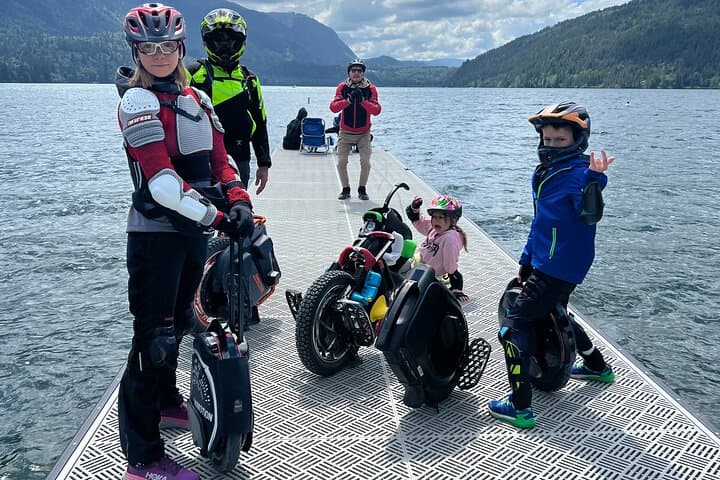
Practical guidance is front and center: courses supply helmets, pads and specially designed training tools so you practice falling safely and learning weight shifts. Expect repetitions on a balance board, assisted runs with a rolling support system, and supervised solo rides once you show stability. Wear closed-toe shoes and comfortable layers; plan for a quiet parking lot or bike path where instructors can stage drills. Book in dry conditions if possible—rain changes grip and braking behavior.
By the end you’ll test different EUC models and receive filmed footage of your progress. The result is less about speed and more about controlled confidence: a short, intense window to gain a new way to move through the city.
moderate.
2 hours.
Suitable for people with basic balance and core strength; you should be comfortable standing and shifting weight repeatedly.
No—this course is designed for beginners and starts with device fundamentals, balance drills and supported mounting.
Operators typically ask for height and weight during booking; many schools accept teens and adults but heavy or very light riders should check specific model limits.
Instructors may reschedule or cancel for wet or icy conditions because traction and braking change significantly on EUCs and scooters.
Yes—helmets and protective pads are supplied and typically mandatory; bringing your own helmet is recommended for the best fit.
Vancouver’s modern micromobility scene grew from its strong cycling culture and progressive transit planning; training schools tap into that local interest.
Micromobility reduces short-trip emissions but can clash with pedestrian spaces—ride in designated bike lanes, follow local bylaws, and avoid cluttering sidewalks.
Right Route operates guided outdoor trips and adventures with an emphasis on safety, stewardship, and memorable experiences.
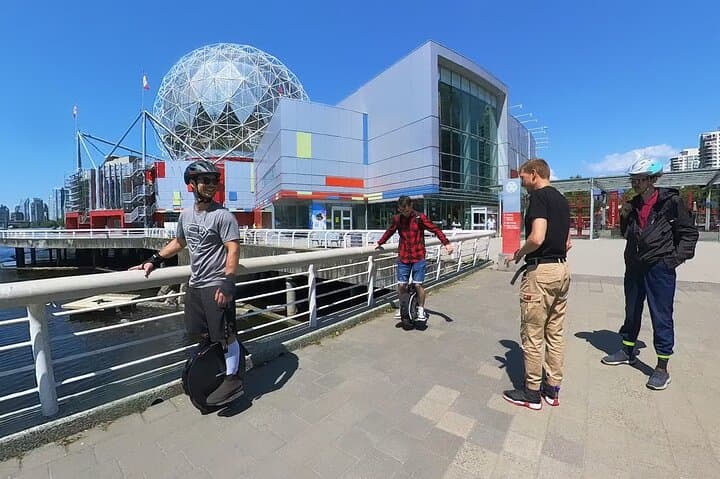
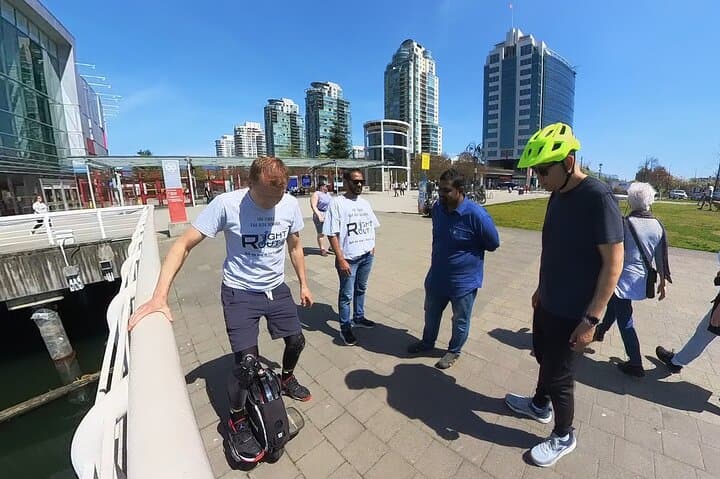
Stand on the asphalt, feel the city breathe around you, and let a compact wheel promise new momentum. In downtown Vancouver the wind off False Creek nudges you forward; instructors position a three-wheeled training rig, a balance board and a fleet of EUCs and e-scooters within reach. In two focused hours the session moves from explanation to hands-on repetition—structure, mounting, controlled balance with support, then a guided ride.
Stand on the asphalt, feel the city breathe around you, and let a compact wheel promise new momentum. In downtown Vancouver the wind off False Creek nudges you forward; instructors position a three-wheeled training rig, a balance board and a fleet of EUCs and e-scooters within reach. In two focused hours the session moves from explanation to hands-on repetition—structure, mounting, controlled balance with support, then a guided ride.
Vancouver has a long history of active transit and cycling culture, and its mild Pacific climate makes it an ideal place to trial micromobility. The craft behind electric unicycles borrows from skateboard and motorcycle engineering; local riders and small schools helped normalize these devices on shared paths. Respect for Indigenous land is part of the civic landscape here—this training takes place on the unceded territories of the Musqueam, Squamish and Tsleil-Waututh peoples.
Practical guidance is front and center: courses supply helmets, pads and specially designed training tools so you practice falling safely and learning weight shifts. Expect repetitions on a balance board, assisted runs with a rolling support system, and supervised solo rides once you show stability. Wear closed-toe shoes and comfortable layers; plan for a quiet parking lot or bike path where instructors can stage drills. Book in dry conditions if possible—rain changes grip and braking behavior.
By the end you’ll test different EUC models and receive filmed footage of your progress. The result is less about speed and more about controlled confidence: a short, intense window to gain a new way to move through the city.