THE ADVENTURE COLLECTIVE® · Independent discovery and booking for outdoor travel

Step into a darkened theater where glowing psyllium sticks become choreography. This 90‑minute English-led workshop teaches the fast, synchronized moves of otagei—idol fan dance—using on-screen tutorials and hands-on instruction.
Step into a darkened theater where glowing psyllium sticks become choreography. This 90‑minute English-led workshop teaches the fast, synchronized moves of otagei—idol fan dance—using on-screen tutorials and hands-on instruction.
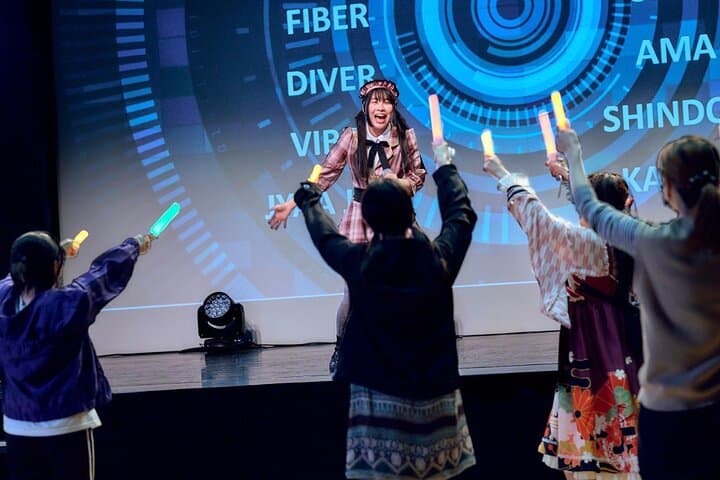
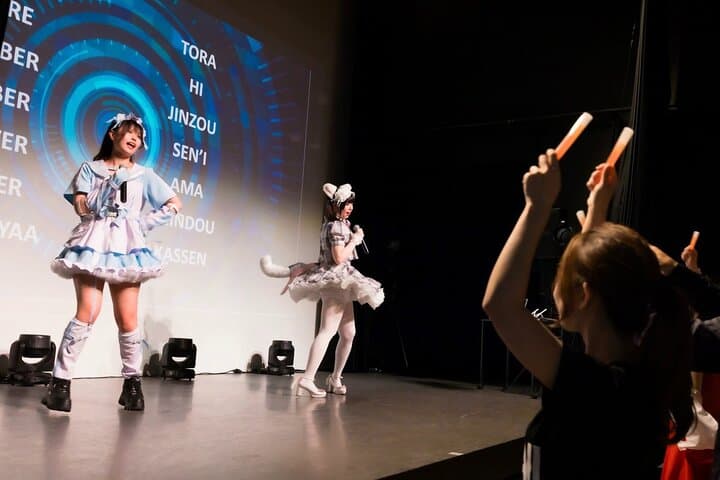
The lights go down and the theater exhales; a hush falls over rows of chairs as neon batons start to breathe in the dark. In that dim, the instructor counts off and hands full of battery-powered psyllium sticks become tools of rhythm and community. Participants practice syncopated claps, arm arcs and the quick footwork that turns otagei—fan cheering for idols—into a polished stage routine.
Verified experiences and guided adventures in the surrounding area.
Operated by 株式会社Japanticket · Tokyo, Tokyo
The lights go down and the theater exhales; a hush falls over rows of chairs as neon batons start to breathe in the dark. In that dim, the instructor counts off and hands full of battery-powered psyllium sticks become tools of rhythm and community. Participants practice syncopated claps, arm arcs and the quick footwork that turns otagei—fan cheering for idols—into a polished stage routine.
Psyllium dance (often called wotagei or otagei choreography) evolved alongside Japan’s modern idol culture and grassroots fan communities, and in 2019 its artistic value was formally recognized by Japan’s Ministry of Education, Culture, Sports, Science and Technology. Tokyo itself sits on the broad Kanto Plain shaped by rivers and reclaimed land—a city where concentrated urban energy collides with inventive pop performance.
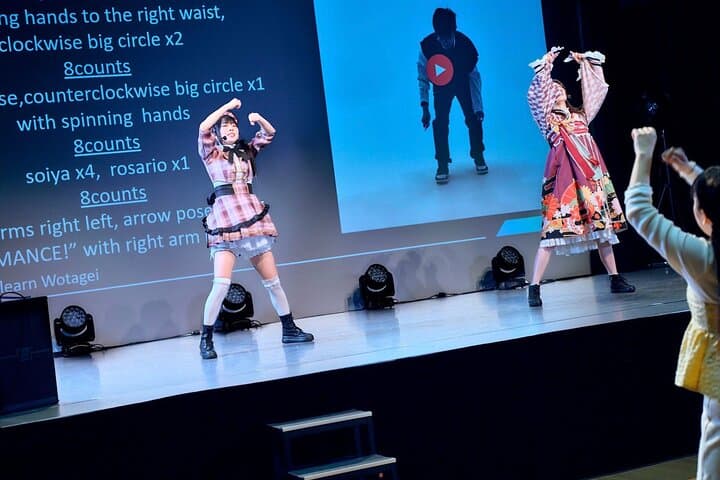
The workshop runs in a rented theater space near central Tokyo and is aimed at foreigners and locals alike. English-speaking instructors pair on-screen video tutorials with live corrections, so even first-timers leave with set moves and a short group routine. Expect a fast tempo, repeated sequences, and bursts of aerobic effort; it’s choreography practiced in the dark with concert lights and glow sticks.
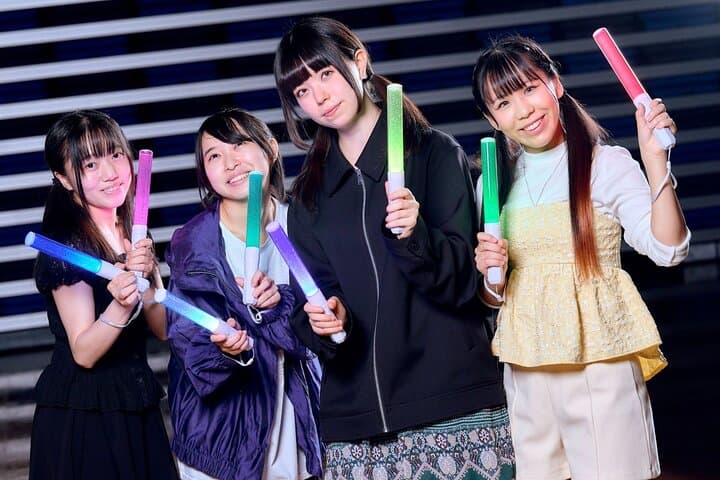
Practical notes: arrive early—late arrivals are not refunded. Wear breathable, flexible clothing and athletic shoes with grip; bring a small towel and water. The operator supplies psyllium sticks and lights, and the session is roughly 90 minutes. For travelers curious about modern Japanese pop culture, this workshop is a compact, high-energy way to learn performance etiquette, timing and the physical language behind idol support.
moderate.
1.5 hours.
Moderate aerobic fitness and basic coordination; expect repeated fast arm and foot sequences.
No—this workshop is designed for beginners; instructors use step-by-step video and live guidance to teach the basics.
There is a strict no-refund policy for late arrivals; you may be denied entry if you miss the start, so plan to arrive early.
Yes—high-luminance psyllium sticks and battery-operated concert lights in multiple colors are provided and included in the fee.
Age suitability varies; check with the operator, but participants should be able to follow fast sequences and meet basic physical requirements.
Otagei developed within idol fan culture as coordinated cheering and was later formalized into psyllium dance; its artistic recognition in 2019 raised its profile internationally.
Respect venue energy use by returning all battery devices and follow staff instructions—proper disposal and reuse of batteries reduces electronic waste.
株式会社Japanticket operates guided outdoor trips and adventures with an emphasis on safety, stewardship, and memorable experiences.
The lights go down and the theater exhales; a hush falls over rows of chairs as neon batons start to breathe in the dark. In that dim, the instructor counts off and hands full of battery-powered psyllium sticks become tools of rhythm and community. Participants practice syncopated claps, arm arcs and the quick footwork that turns otagei—fan cheering for idols—into a polished stage routine.
The lights go down and the theater exhales; a hush falls over rows of chairs as neon batons start to breathe in the dark. In that dim, the instructor counts off and hands full of battery-powered psyllium sticks become tools of rhythm and community. Participants practice syncopated claps, arm arcs and the quick footwork that turns otagei—fan cheering for idols—into a polished stage routine.
Psyllium dance (often called wotagei or otagei choreography) evolved alongside Japan’s modern idol culture and grassroots fan communities, and in 2019 its artistic value was formally recognized by Japan’s Ministry of Education, Culture, Sports, Science and Technology. Tokyo itself sits on the broad Kanto Plain shaped by rivers and reclaimed land—a city where concentrated urban energy collides with inventive pop performance.
The workshop runs in a rented theater space near central Tokyo and is aimed at foreigners and locals alike. English-speaking instructors pair on-screen video tutorials with live corrections, so even first-timers leave with set moves and a short group routine. Expect a fast tempo, repeated sequences, and bursts of aerobic effort; it’s choreography practiced in the dark with concert lights and glow sticks.
Practical notes: arrive early—late arrivals are not refunded. Wear breathable, flexible clothing and athletic shoes with grip; bring a small towel and water. The operator supplies psyllium sticks and lights, and the session is roughly 90 minutes. For travelers curious about modern Japanese pop culture, this workshop is a compact, high-energy way to learn performance etiquette, timing and the physical language behind idol support.