THE ADVENTURE COLLECTIVE® · Independent discovery and booking for outdoor travel

Spend a focused half-day learning Bharatanatyam in Chennai: basic steps, expressive mudras and a short narrated piece, followed by lunch at a local restaurant. Ideal for travelers curious about South Indian classical dance.
Spend a focused half-day learning Bharatanatyam in Chennai: basic steps, expressive mudras and a short narrated piece, followed by lunch at a local restaurant. Ideal for travelers curious about South Indian classical dance.
You arrive at a bright studio in Chennai, the floor warmed by sunlight that slips in through high windows. The teacher moves with precise articulation — an economy of motion that makes every eye and wrist tell a story. Within minutes you’ll be practicing adavus (basic steps), shaping mudras (hand gestures) and tracing the facial language that carries myth and emotion.
Verified experiences and guided adventures in the surrounding area.
Operated by SITA World Tours · Chennai, Tamil Nadu
You arrive at a bright studio in Chennai, the floor warmed by sunlight that slips in through high windows. The teacher moves with precise articulation — an economy of motion that makes every eye and wrist tell a story. Within minutes you’ll be practicing adavus (basic steps), shaping mudras (hand gestures) and tracing the facial language that carries myth and emotion.
Bharatanatyam is rooted in Tamil Nadu’s temple and court traditions and evolved from ritual performance into a concert art in the early 20th century. The technique favors a steady, erect torso, bent knees and rhythmic footwork; its vocabulary borrows directly from Sanskrit and Tamil storytelling forms. Chennai remains a living center for the art: schools, sabhas and small studios keep both classical repertoire and contemporary experiments alive.
Expect a paced, teacher-led session that blends demonstration and hands-on practice; the instructor will show footwork and expressional sequences and then guide you through narrating a short episode. The class finishes with a local lunch — a practical break that lets you compare notes and ask questions about costume, music and historical context.
Tips for planning: arrive early, wear comfortable, non-restrictive clothing that allows deep knee bends, and be ready to remove footwear for practice. Hydrate before class and pace your movements if you have back or knee sensitivities. The experience is physical and interpretive — you’ll learn movement language, not become a performer in one session — but you’ll leave with a clear sense of how gesture, rhythm and expression combine to tell stories in Bharatanatyam.
moderate.
4 hours.
Moderate fitness required—expect repeated knee bends, discrete jumps and standing footwork; basic coordination helps.
No—classes are designed for beginners; instructors start with foundational adavus and gestures.
Sessions focus on learning and practice; you may share a short narrated sequence with the instructor or small group, but it’s not a formal performance.
Most workshops use English and local terms for steps and gestures; brief translations are provided for technical words.
Costumes are not typically provided for a single-session workshop; ask the organizer if you want a demonstration in traditional attire.
Bharatanatyam traces to temple ritual and the devadasi tradition in Tamil Nadu; it was codified into a staged concert form during the 20th-century revival centered in Chennai.
Support local teachers and schools to help sustain living arts; choose small-group classes that pay performers fairly and avoid commercializing sacred repertoire.
SITA World Tours operates guided outdoor trips and adventures with an emphasis on safety, stewardship, and memorable experiences.
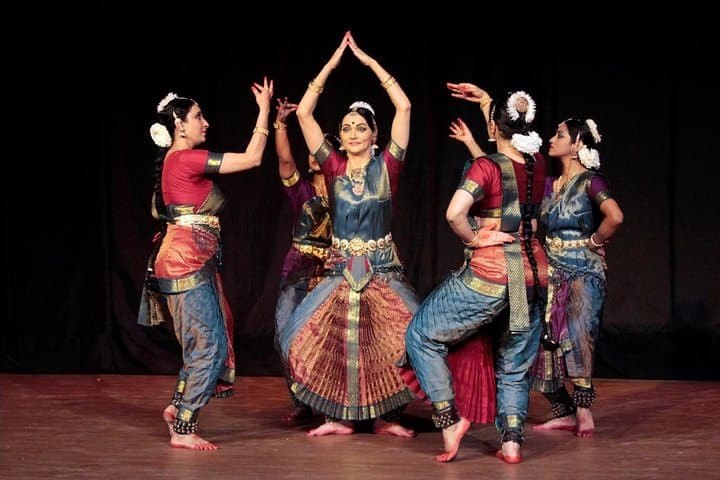
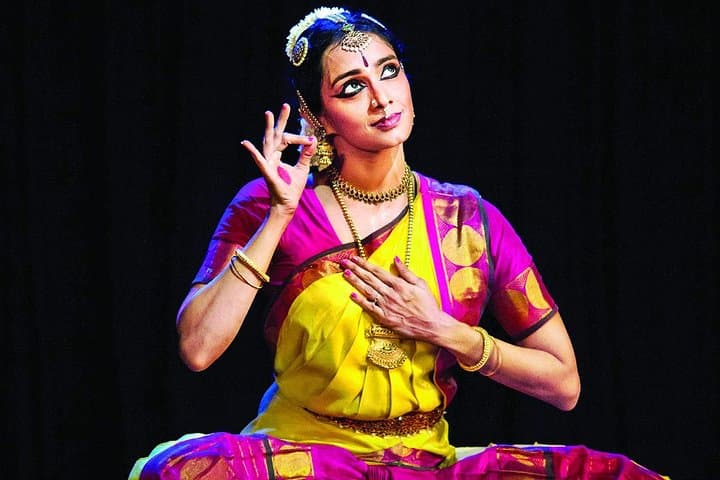
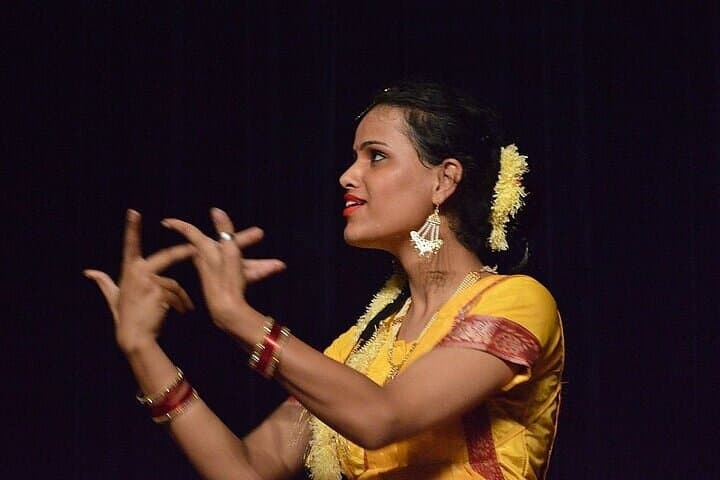
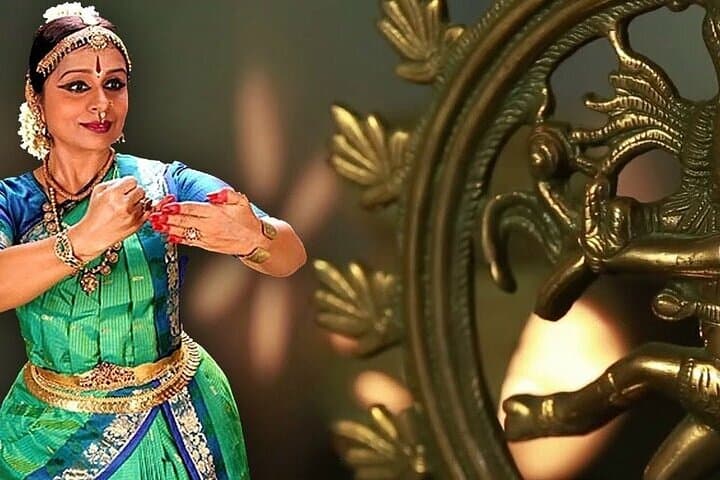
You arrive at a bright studio in Chennai, the floor warmed by sunlight that slips in through high windows. The teacher moves with precise articulation — an economy of motion that makes every eye and wrist tell a story. Within minutes you’ll be practicing adavus (basic steps), shaping mudras (hand gestures) and tracing the facial language that carries myth and emotion.
You arrive at a bright studio in Chennai, the floor warmed by sunlight that slips in through high windows. The teacher moves with precise articulation — an economy of motion that makes every eye and wrist tell a story. Within minutes you’ll be practicing adavus (basic steps), shaping mudras (hand gestures) and tracing the facial language that carries myth and emotion.
Bharatanatyam is rooted in Tamil Nadu’s temple and court traditions and evolved from ritual performance into a concert art in the early 20th century. The technique favors a steady, erect torso, bent knees and rhythmic footwork; its vocabulary borrows directly from Sanskrit and Tamil storytelling forms. Chennai remains a living center for the art: schools, sabhas and small studios keep both classical repertoire and contemporary experiments alive.
Expect a paced, teacher-led session that blends demonstration and hands-on practice; the instructor will show footwork and expressional sequences and then guide you through narrating a short episode. The class finishes with a local lunch — a practical break that lets you compare notes and ask questions about costume, music and historical context.
Tips for planning: arrive early, wear comfortable, non-restrictive clothing that allows deep knee bends, and be ready to remove footwear for practice. Hydrate before class and pace your movements if you have back or knee sensitivities. The experience is physical and interpretive — you’ll learn movement language, not become a performer in one session — but you’ll leave with a clear sense of how gesture, rhythm and expression combine to tell stories in Bharatanatyam.