THE ADVENTURE COLLECTIVE® · Independent discovery and booking for outdoor travel

Shop Ubud's morning market, grind fresh bumbu, and eat the meal you helped make in a private, six-hour market-to-kitchen experience. Ideal for curious food travelers who want hands-on instruction and cultural context.
Shop Ubud's morning market, grind fresh bumbu, and eat the meal you helped make in a private, six-hour market-to-kitchen experience. Ideal for curious food travelers who want hands-on instruction and cultural context.
Morning in Ubud begins with the market breathing steam and spice into the air: turmeric, chillies, fresh coconut, and bundles of lemongrass stacked like green pencils.
Verified experiences and guided adventures in the surrounding area.
Operated by Hidden Bali Tours · Ubud, Bali
Morning in Ubud begins with the market breathing steam and spice into the air: turmeric, chillies, fresh coconut, and bundles of lemongrass stacked like green pencils.
This private, six-hour class starts with a guided walk through those stalls—picking ingredients while vendors call out prices—then moves to a hands-on kitchen session where you grind bumbu pastes, pound sambal, and assemble family-style plates to eat together.
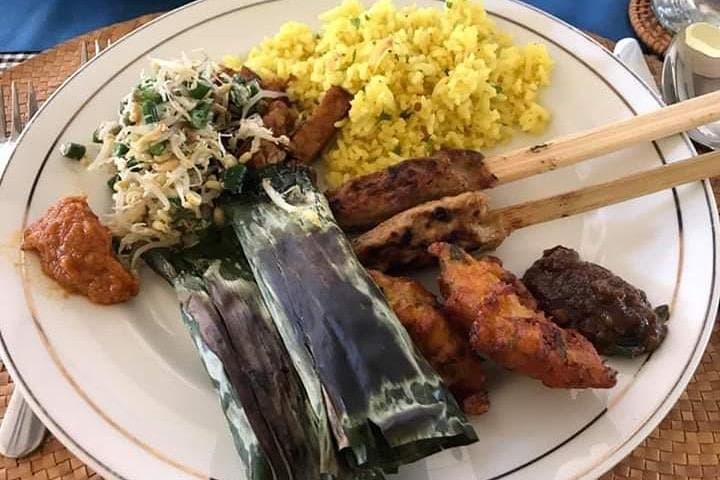
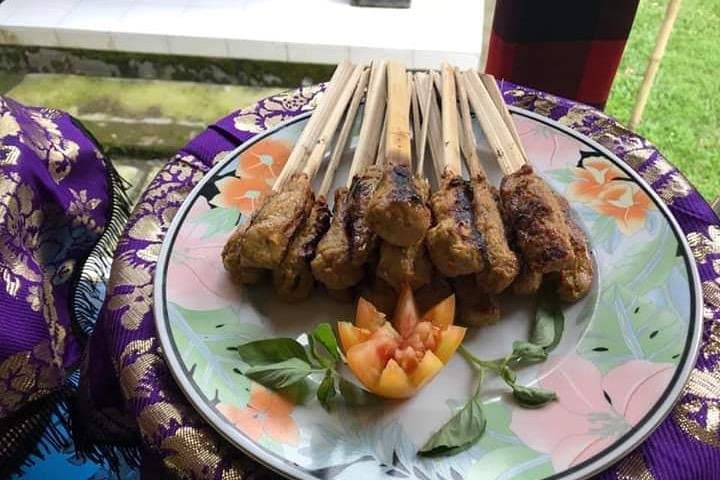
Balinese food reflects island geology and history: volcanic soils feed wet-rice terraces and tropical gardens, while centuries of trade introduced Indian, Chinese, and Dutch flavors. Expect to learn classic preparations—sate lilit, lawar, and crispy sambal—alongside explanations of regional ingredients like young coconut, kaffir lime, and galangal. Culturally, cooking is communal in Bali; meals are woven into ritual and everyday life, and the class mirrors that social rhythm.
Practicalities are straightforward: hotel pickup and drop-off in a private car, bottled water and lunch included, and all ticketing handled in advance. The class is suitable for all fitness levels and is ideal if you want hands-on instruction without the pressure of a large group. Bring a camera, note any dietary restrictions ahead of booking, and arrive ready to shop early—the market is livelier at first light. Two percent of the tour fee supports local environmental initiatives, and instructors often share tips for sourcing produce sustainably while minimizing waste.
By the end you'll leave with recipes, new techniques, and a clearer sense of how Bali’s landscape and culture shape each flavor on your plate.
easy.
6 hours.
Suitable for all fitness levels; involves standing, light walking in the market, and kitchen work.
Yes—most hosts can adapt recipes for vegetarian or pescatarian diets if you indicate preferences when booking.
Hotel pickup and drop-off are included within Ubud; confirm your exact pickup point on booking.
This listing is a private tour—your group will be the only party in the vehicle and kitchen for the session.
For a full refund, cancel at least 24 hours before the scheduled departure time; same-day cancellations are not refundable.
Balinese cuisine developed where volcanic soils and wet-rice systems supported dense agriculture; centuries of maritime trade layered in spices and techniques from India, China and the Dutch East Indies.
The operator donates 2% of proceeds to environmental initiatives and emphasizes buying directly from small producers to support local economies and reduce supply chain waste.
Hidden Bali Tours operates guided outdoor trips and adventures with an emphasis on safety, stewardship, and memorable experiences.
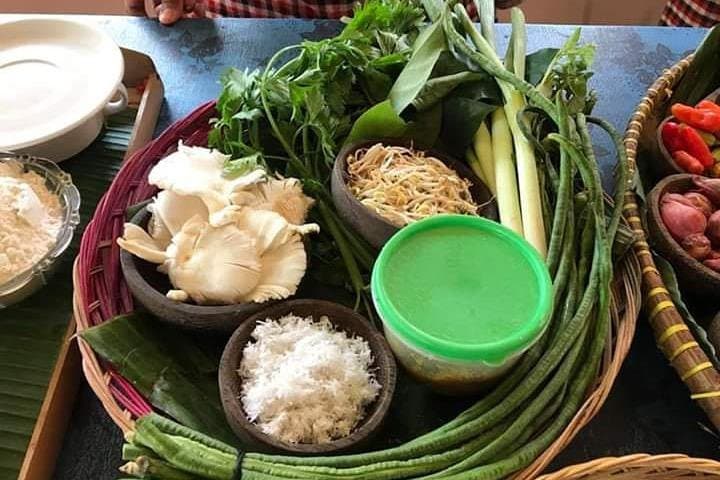
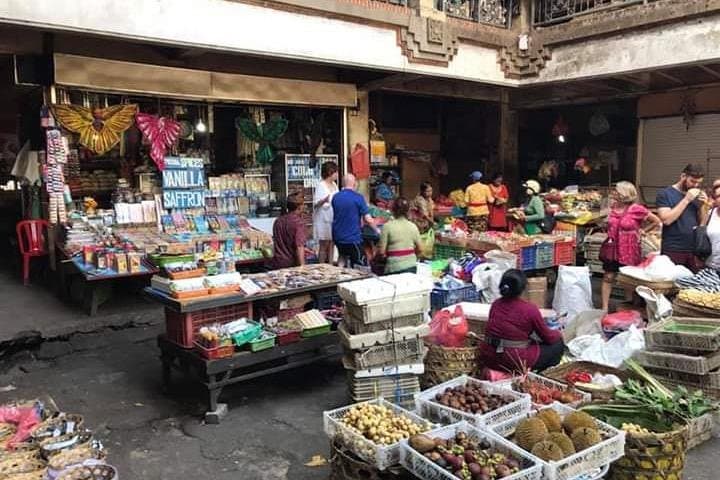
Morning in Ubud begins with the market breathing steam and spice into the air: turmeric, chillies, fresh coconut, and bundles of lemongrass stacked like green pencils.
Morning in Ubud begins with the market breathing steam and spice into the air: turmeric, chillies, fresh coconut, and bundles of lemongrass stacked like green pencils.
This private, six-hour class starts with a guided walk through those stalls—picking ingredients while vendors call out prices—then moves to a hands-on kitchen session where you grind bumbu pastes, pound sambal, and assemble family-style plates to eat together.
Balinese food reflects island geology and history: volcanic soils feed wet-rice terraces and tropical gardens, while centuries of trade introduced Indian, Chinese, and Dutch flavors. Expect to learn classic preparations—sate lilit, lawar, and crispy sambal—alongside explanations of regional ingredients like young coconut, kaffir lime, and galangal. Culturally, cooking is communal in Bali; meals are woven into ritual and everyday life, and the class mirrors that social rhythm.
Practicalities are straightforward: hotel pickup and drop-off in a private car, bottled water and lunch included, and all ticketing handled in advance. The class is suitable for all fitness levels and is ideal if you want hands-on instruction without the pressure of a large group. Bring a camera, note any dietary restrictions ahead of booking, and arrive ready to shop early—the market is livelier at first light. Two percent of the tour fee supports local environmental initiatives, and instructors often share tips for sourcing produce sustainably while minimizing waste.
By the end you'll leave with recipes, new techniques, and a clearer sense of how Bali’s landscape and culture shape each flavor on your plate.