THE ADVENTURE COLLECTIVE® · Independent discovery and booking for outdoor travel

A private tango lesson in Buenos Aires pairs technique with cultural context: posture, the embrace, and milonga etiquette taught by local instructors. It’s a focused, 90-minute way to step into the city’s living dance tradition.
A private tango lesson in Buenos Aires pairs technique with cultural context: posture, the embrace, and milonga etiquette taught by local instructors. It’s a focused, 90-minute way to step into the city’s living dance tradition.
You step into a compact studio in San Telmo: polished wooden floor, wall-length mirror, and the low hum of a radio tuning into bandoneón phrases. The teacher meets you with a quiet clarity — posture corrected, embrace adjusted — and the room contracts and expands with each practiced walk.
Verified experiences and guided adventures in the surrounding area.
Operated by Tango Matias · Buenos Aires, Ciudad Autónoma de Buenos Aires
You step into a compact studio in San Telmo: polished wooden floor, wall-length mirror, and the low hum of a radio tuning into bandoneón phrases. The teacher meets you with a quiet clarity — posture corrected, embrace adjusted — and the room contracts and expands with each practiced walk.
Tango grew from the working-class neighborhoods of Buenos Aires and Montevideo in the late 19th century, a hybrid of African, European and Creole rhythms. The city itself sits on the broad Río de la Plata estuary and the flat Pampas beyond, and that open-land still shapes the tango’s expansive yet grounded walk.
Culturally, a private lesson is a practical doorway to the milonga: social codes, musical phrasing, and the close, improvised conversation between partners. Expect focused technique — posture, axis, caminata — alongside musicality exercises and time to practice with a partner. Teachers often reference the milonga’s etiquette and recommend local venues where the dance lives nightly.
Practical guidance: wear shoes with smooth, non-sticky soles or borrow studio shoes to protect the floor and ease pivots. Bring water and light layers — studios can warm up quickly during active practice. Plan to arrive 10–15 minutes early for orientation and to loosen up. If you’re nervous, request slow, guided exercises first; a private class lets instructors tailor progression and correct alignment.
A ninety-minute private class offers a concentrated, authentic experience — part physical skill session, part cultural primer — and it’s one of the clearest ways to understand how Buenos Aires’ streets and rhythms became the language of tango.
easy.
90 minutes.
Suitable for most fitness levels; standing, walking, and brief lifts or pivots require basic balance and stamina.
No — private lessons can be tailored for solo students to work on walking, posture, and musicality; partnering practice can be arranged with your teacher.
Many studios provide loaner tango shoes in common sizes — ask in advance to confirm availability and fit.
No — classes accept beginners and adapt progressions, though basic rhythm sense and balance help accelerate learning.
Yes — instructors typically include social codes, tanda structure, and how to navigate a milonga alongside technique work.
Tango emerged in late-19th-century port neighborhoods around the Río de la Plata, fusing diverse immigrant rhythms into a partnered improvisation.
Cultural sustainability matters here: supporting local teachers and small milongas helps preserve tradition while limiting tourism-driven takeovers of authentic spaces.
Tango Matias operates guided outdoor trips and adventures with an emphasis on safety, stewardship, and memorable experiences.
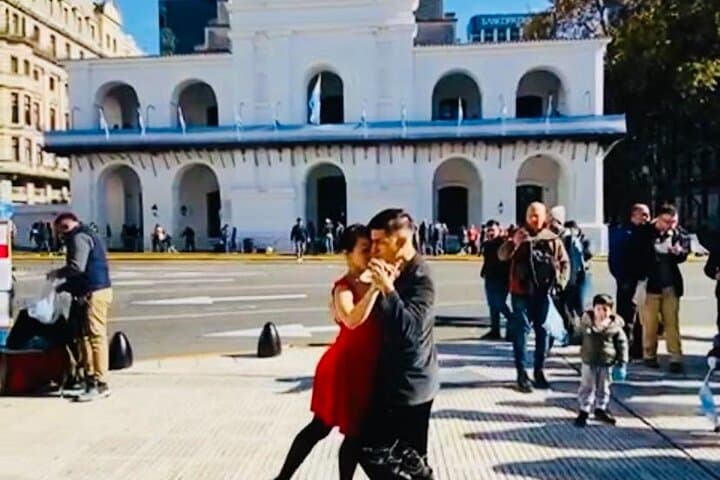
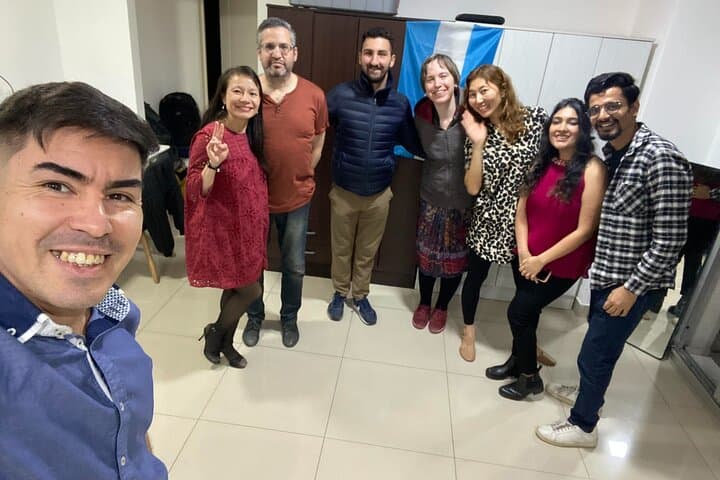
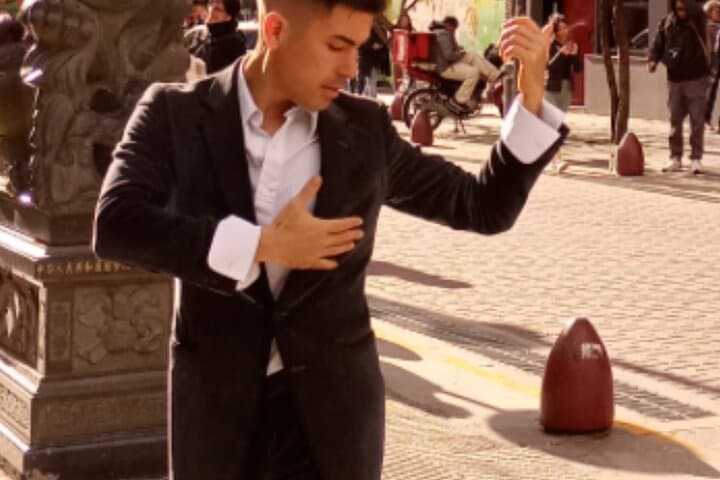
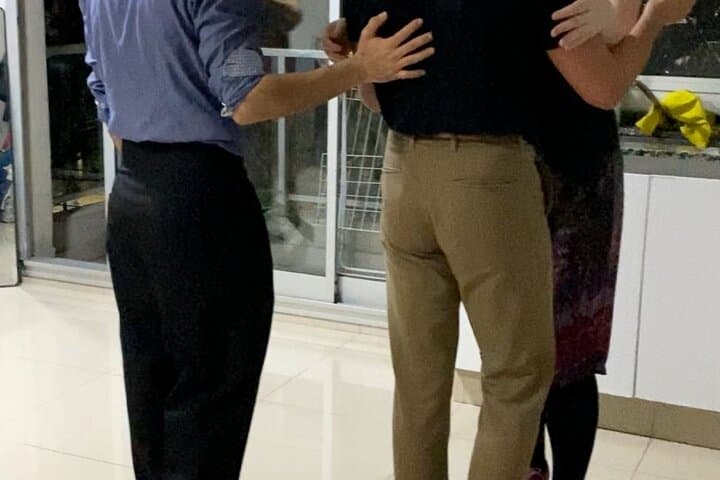
You step into a compact studio in San Telmo: polished wooden floor, wall-length mirror, and the low hum of a radio tuning into bandoneón phrases. The teacher meets you with a quiet clarity — posture corrected, embrace adjusted — and the room contracts and expands with each practiced walk.
You step into a compact studio in San Telmo: polished wooden floor, wall-length mirror, and the low hum of a radio tuning into bandoneón phrases. The teacher meets you with a quiet clarity — posture corrected, embrace adjusted — and the room contracts and expands with each practiced walk.
Tango grew from the working-class neighborhoods of Buenos Aires and Montevideo in the late 19th century, a hybrid of African, European and Creole rhythms. The city itself sits on the broad Río de la Plata estuary and the flat Pampas beyond, and that open-land still shapes the tango’s expansive yet grounded walk.
Culturally, a private lesson is a practical doorway to the milonga: social codes, musical phrasing, and the close, improvised conversation between partners. Expect focused technique — posture, axis, caminata — alongside musicality exercises and time to practice with a partner. Teachers often reference the milonga’s etiquette and recommend local venues where the dance lives nightly.
Practical guidance: wear shoes with smooth, non-sticky soles or borrow studio shoes to protect the floor and ease pivots. Bring water and light layers — studios can warm up quickly during active practice. Plan to arrive 10–15 minutes early for orientation and to loosen up. If you’re nervous, request slow, guided exercises first; a private class lets instructors tailor progression and correct alignment.
A ninety-minute private class offers a concentrated, authentic experience — part physical skill session, part cultural primer — and it’s one of the clearest ways to understand how Buenos Aires’ streets and rhythms became the language of tango.