THE ADVENTURE COLLECTIVE® · Independent discovery and booking for outdoor travel

Get on the floor with a professional choreographer and learn Adjaruli — the spirited dance from Georgia’s coastal region. This private 90‑minute class mixes technique, cultural stories, snacks and photo/video keepsakes.
Get on the floor with a professional choreographer and learn Adjaruli — the spirited dance from Georgia’s coastal region. This private 90‑minute class mixes technique, cultural stories, snacks and photo/video keepsakes.
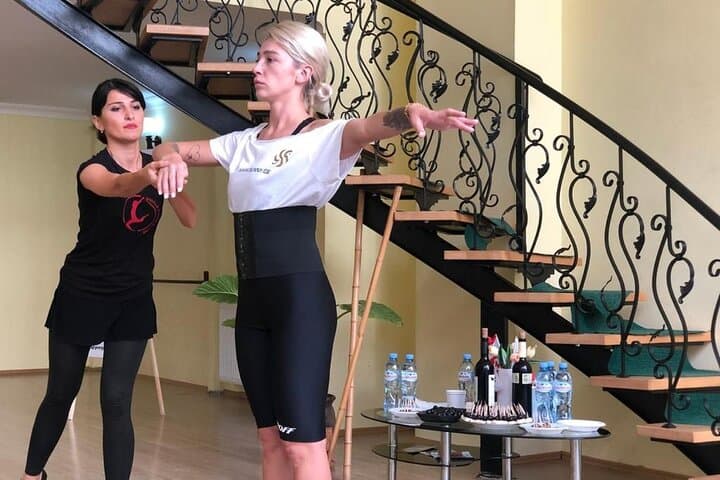
You step into a mirrored studio in Saburtalo and the first beat hits — a staccato drum, a clarion horn, the music daring your feet to answer. Light from street-level windows slants across the wooden floor; the choreographer greets you with stories of mountain villages and seaside processions before leading a warm-up that feels part lesson, part performance.
Verified experiences and guided adventures in the surrounding area.
Operated by Georgian Dance Master Class · Tbilisi, Tbilisi
You step into a mirrored studio in Saburtalo and the first beat hits — a staccato drum, a clarion horn, the music daring your feet to answer. Light from street-level windows slants across the wooden floor; the choreographer greets you with stories of mountain villages and seaside processions before leading a warm-up that feels part lesson, part performance.
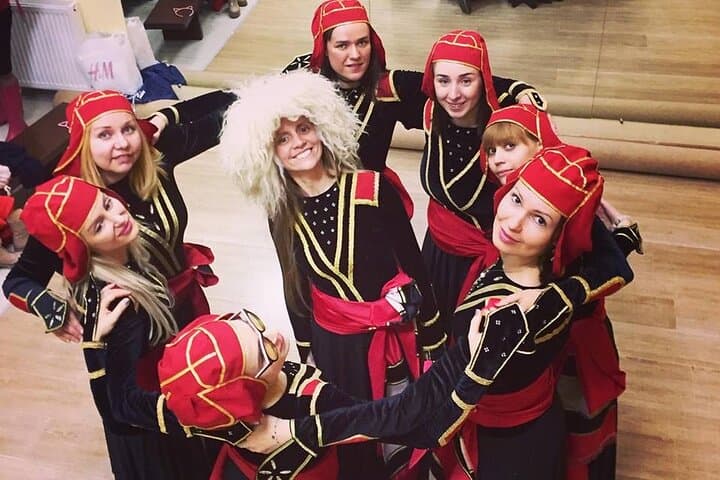
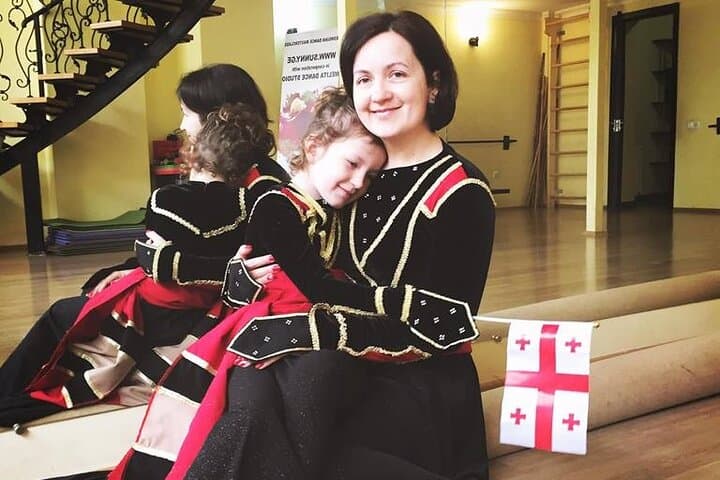
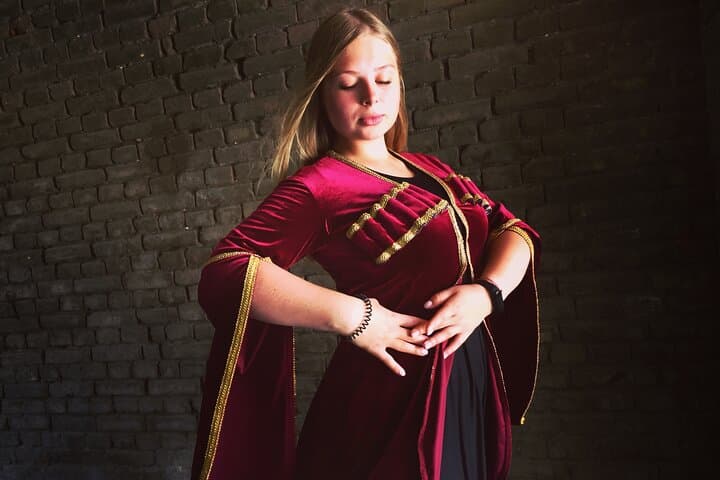
Adjaruli (Acharuli) comes from Georgia’s coastal region of Adjara: a dance of bold male leaps and controlled, ornamental steps for women, historically performed at weddings and tavern gatherings. In a modern Tbilisi studio the form is distilled into teachable sequences — arm shapes, torso control, and the rhythmic footwork that gives the dance its character. The class pairs technique with cultural context: brief historical notes, snippets about costume significance, and a tasting of local snacks that make the session sensory as well as kinetic.
Expect adjustments to difficulty after the first few moves; instructors tailor combinations to your ability and can swap to another regional dance on request. Photos and short edited videos are often produced after the session; costume rental and a flash‑mob option are offered for an extra fee.
Practical pointers: arrive in flexible clothing and non-marking shoes (men should bring long trousers for costume use), hydrate beforehand, and allow 90 minutes plus transit time. The studio sits within Saburtalo, a practical base with good public transport links to central Tbilisi. This is a hands-on cultural exchange — energetic, informative, and a direct way to carry a piece of Georgia with you when you leave.
easy.
1.5 hours.
Suitable for people in average physical condition; basic coordination and mobility are helpful
Costume rental is available for an additional fee; men are asked to wear long trousers if renting the traditional outfit.
No — the class is adapted to skill level, with simplified movements and optional advanced variations after assessment.
Instructors commonly work in English and Georgian; confirm language needs at booking if you require another language.
All sales are final and bookings are non‑refundable, so verify your schedule before purchasing.
Adjaruli dance originated in Georgia’s Adjara region and reflects coastal life: proud male bravado and delicate female ornamentation tied to social celebrations.
Support local artists by tipping performers and renting authentic costumes rather than mass-produced souvenirs; studios aim to preserve choreography while minimizing waste from single‑use props.
Georgian Dance Master Class operates guided outdoor trips and adventures with an emphasis on safety, stewardship, and memorable experiences.
You step into a mirrored studio in Saburtalo and the first beat hits — a staccato drum, a clarion horn, the music daring your feet to answer. Light from street-level windows slants across the wooden floor; the choreographer greets you with stories of mountain villages and seaside processions before leading a warm-up that feels part lesson, part performance.
You step into a mirrored studio in Saburtalo and the first beat hits — a staccato drum, a clarion horn, the music daring your feet to answer. Light from street-level windows slants across the wooden floor; the choreographer greets you with stories of mountain villages and seaside processions before leading a warm-up that feels part lesson, part performance.
Adjaruli (Acharuli) comes from Georgia’s coastal region of Adjara: a dance of bold male leaps and controlled, ornamental steps for women, historically performed at weddings and tavern gatherings. In a modern Tbilisi studio the form is distilled into teachable sequences — arm shapes, torso control, and the rhythmic footwork that gives the dance its character. The class pairs technique with cultural context: brief historical notes, snippets about costume significance, and a tasting of local snacks that make the session sensory as well as kinetic.
Expect adjustments to difficulty after the first few moves; instructors tailor combinations to your ability and can swap to another regional dance on request. Photos and short edited videos are often produced after the session; costume rental and a flash‑mob option are offered for an extra fee.
Practical pointers: arrive in flexible clothing and non-marking shoes (men should bring long trousers for costume use), hydrate beforehand, and allow 90 minutes plus transit time. The studio sits within Saburtalo, a practical base with good public transport links to central Tbilisi. This is a hands-on cultural exchange — energetic, informative, and a direct way to carry a piece of Georgia with you when you leave.