THE ADVENTURE COLLECTIVE® · Independent discovery and booking for outdoor travel

Launch yourself from a 125-meter platform north of Cusco into a raw Andean canyon—specialized instructors, round-trip transport from Poroy, and a 2-hour adrenaline-packed experience. Read on for what to expect, safety notes, and planning tips.
Launch yourself from a 125-meter platform north of Cusco into a raw Andean canyon—specialized instructors, round-trip transport from Poroy, and a 2-hour adrenaline-packed experience. Read on for what to expect, safety notes, and planning tips.
You stand on a narrow platform pressed to wind and rock, the canyon dropping away like an open throat beneath your boots. High above the valley north of Cusco, the air tastes sharp; the rail lines and small fields of Poroy shrink into a patchwork while instructors fit the harness and run through checks.
Verified experiences and guided adventures in the surrounding area.
Operated by IZI PERU · Cusco, Cusco Region
You stand on a narrow platform pressed to wind and rock, the canyon dropping away like an open throat beneath your boots. High above the valley north of Cusco, the air tastes sharp; the rail lines and small fields of Poroy shrink into a patchwork while instructors fit the harness and run through checks.
The region around Cusco is carved from uplifted Andean bedrock and glacially sculpted valleys; the cliffs used for jumps look raw because they are — fractured volcanic and sedimentary layers exposed by tectonic rise and seasonal runoff. Culturally, the area sits on Quechua lands where high-altitude travel and respect for mountain spirits remain part of local rhythm, and modern adventure companies operate near small transport hubs like Poroy.
Expect a roughly two-hour outing: a 15-minute drive from central Cusco, a safety briefing, gear fitting, and either a 125-meter bungee drop or a slingshot launch that surges you 120 meters up in about three seconds. Operators provide specialized instructors and round-trip transport; groups are small (up to 12), and the whole run finishes with a short return to Cusco.
Practical guidance: arrive hydrated and with a photo ID, wear secure closed-toe shoes and layers for variable wind, and disclose medical issues—this activity is not suitable for pregnant people or those with serious heart or spinal conditions. Book with at least 24-hour cancellation flexibility; confirm weight and age limits with the operator ahead of time. When you step off the platform, let the canyon do the work—gravity will write the rest.
challenging.
2 hours.
Requires good cardiovascular health and mobility to manage harnessing, short climbs, and the physiological shock of a big fall or launch.
Plan on about two hours total: transport from Cusco (roughly 15 minutes each way depending on traffic), a safety briefing, gearing up, and the jump or slingshot itself.
Limits vary by operator; many set minimum ages with parental consent and have maximum weight or harness-fit constraints—confirm exact limits at booking.
Providers use specialized instructors and safety equipment and run pre-jump checks; however, it’s not suitable for pregnant travelers or those with serious heart or spinal conditions.
Most tours include round-trip transport from agreed meeting spots in Cusco; the jump site is north of the city in the Poroy district, about a short drive away.
The jump sites sit on elevated Andean terrain shaped by tectonic uplift and seasonal runoff; nearby communities maintain Quechua cultural traditions that predate Spanish colonization.
Operators typically work within fragile highland ecosystems—stick to marked access paths, avoid leaving gear or trash on the canyon rim, and follow local guidance to minimize erosion and disturbance.
IZI PERU operates guided outdoor trips and adventures with an emphasis on safety, stewardship, and memorable experiences.
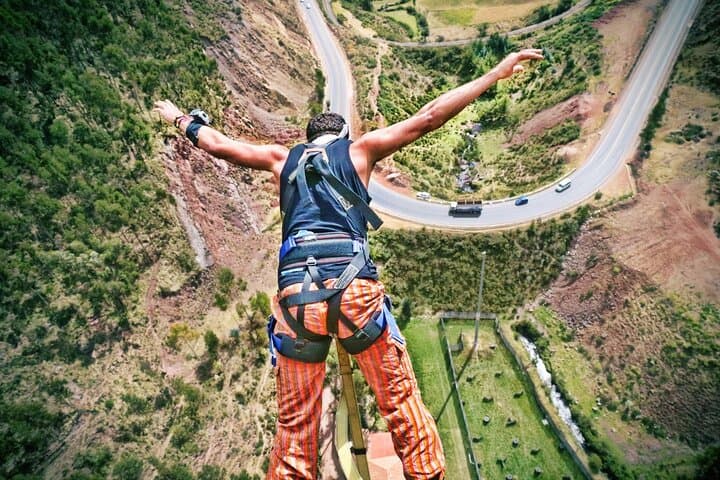
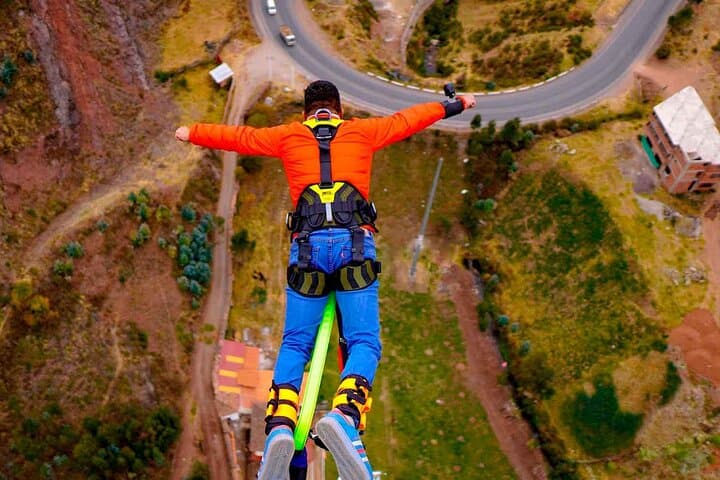
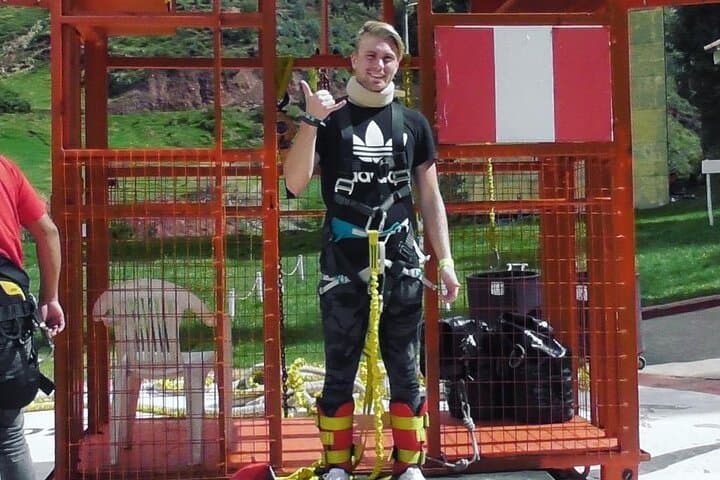
You stand on a narrow platform pressed to wind and rock, the canyon dropping away like an open throat beneath your boots. High above the valley north of Cusco, the air tastes sharp; the rail lines and small fields of Poroy shrink into a patchwork while instructors fit the harness and run through checks.
You stand on a narrow platform pressed to wind and rock, the canyon dropping away like an open throat beneath your boots. High above the valley north of Cusco, the air tastes sharp; the rail lines and small fields of Poroy shrink into a patchwork while instructors fit the harness and run through checks.
The region around Cusco is carved from uplifted Andean bedrock and glacially sculpted valleys; the cliffs used for jumps look raw because they are — fractured volcanic and sedimentary layers exposed by tectonic rise and seasonal runoff. Culturally, the area sits on Quechua lands where high-altitude travel and respect for mountain spirits remain part of local rhythm, and modern adventure companies operate near small transport hubs like Poroy.
Expect a roughly two-hour outing: a 15-minute drive from central Cusco, a safety briefing, gear fitting, and either a 125-meter bungee drop or a slingshot launch that surges you 120 meters up in about three seconds. Operators provide specialized instructors and round-trip transport; groups are small (up to 12), and the whole run finishes with a short return to Cusco.
Practical guidance: arrive hydrated and with a photo ID, wear secure closed-toe shoes and layers for variable wind, and disclose medical issues—this activity is not suitable for pregnant people or those with serious heart or spinal conditions. Book with at least 24-hour cancellation flexibility; confirm weight and age limits with the operator ahead of time. When you step off the platform, let the canyon do the work—gravity will write the rest.