THE ADVENTURE COLLECTIVE® · Independent discovery and booking for outdoor travel

Climb Le Pouce for a compact, rewarding summit with panoramic views of Port Louis, nearby peaks and coastal reefs. This full-day guided hike includes lunch, bottled water and hotel transfer—ideal for travelers seeking a moderate, locally guided mountain experience in Mauritius.
Climb Le Pouce for a compact, rewarding summit with panoramic views of Port Louis, nearby peaks and coastal reefs. This full-day guided hike includes lunch, bottled water and hotel transfer—ideal for travelers seeking a moderate, locally guided mountain experience in Mauritius.
Early morning light slides across sugarcane fields as the transfer winds toward the Moka range and Le Pouce — the island’s thumb-shaped peak. The trail starts in a cool, shaded forest; ferns and endemic shrubs brush past as the path tilts upward. Higher, the canopy opens and the island unfolds: Port Louis’ harbor on one flank, distant reefs and Le Morne on the horizon. The final scramble feels intimate — rock holds warm from the sun and the summit rewards you with a 360° sweep that forces a slow, appreciative turn.
Verified experiences and guided adventures in the surrounding area.
Operated by Freshverde Holidays · Port Louis, Moka District
Early morning light slides across sugarcane fields as the transfer winds toward the Moka range and Le Pouce — the island’s thumb-shaped peak. The trail starts in a cool, shaded forest; ferns and endemic shrubs brush past as the path tilts upward. Higher, the canopy opens and the island unfolds: Port Louis’ harbor on one flank, distant reefs and Le Morne on the horizon. The final scramble feels intimate — rock holds warm from the sun and the summit rewards you with a 360° sweep that forces a slow, appreciative turn.
Geologically, Le Pouce is part of Mauritius’ volcanic backbone, capped by weathered basalt and eroded ridgelines that funnel the trade winds. Botanically it's notable: rare endemic species such as Elaeocarpus bojeri (Bois Dentelle) and Cylindrocline commersonii cling to pockets of soil, making the mountain a small but important refuge for native flora. Culturally, the slopes have long been a local weekend draw; guides often share stories of early botanists and the island’s sugar-era settlements below.
Practically, expect 5–6 hours total including transfers and lunch. The route is mostly well-marked but includes a short, steep final ascent requiring sure-footed steps and some basic scrambling. Guides typically provide water, snacks and a cooked Mauritian lunch; bring a daypack, sun protection and non-slip shoes. Start early to avoid midday sun and to enjoy clearer views. Respect fragile plants, stick to the path, and plan for sudden tropical showers — the mountain can shift from bright to misty in under an hour.
moderate.
5–6 hours.
Moderate fitness required — steady uphill hiking with a short steep scramble; able to handle repeated elevation gain and loose rock.
The guided excursion runs about 5–6 hours total including transfers and lunch; on-trail time to the summit is typically 2–3 hours round-trip depending on pace.
Children 10 and older are allowed; they should be comfortable with uphill hiking and short scrambling sections and be supervised by parents or guides.
No technical climbing experience is required, but you should be reasonably fit and steady on your feet for steep, uneven terrain.
Tours may be cancelled or rescheduled for heavy rain or unsafe conditions; the operator’s policy allows full refunds if cancelled at least 24 hours prior.
Part of the Moka range, Le Pouce has been referenced since colonial mapping; its name reflects the summit’s thumb-like profile and the mountain sheltered rare endemic plants studied since the 19th century.
Local guides emphasize protecting fragile endemic flora and staying on trails; erosion from off-trail routes is a primary concern and visitors are asked to minimize impact.
Freshverde Holidays operates guided outdoor trips and adventures with an emphasis on safety, stewardship, and memorable experiences.
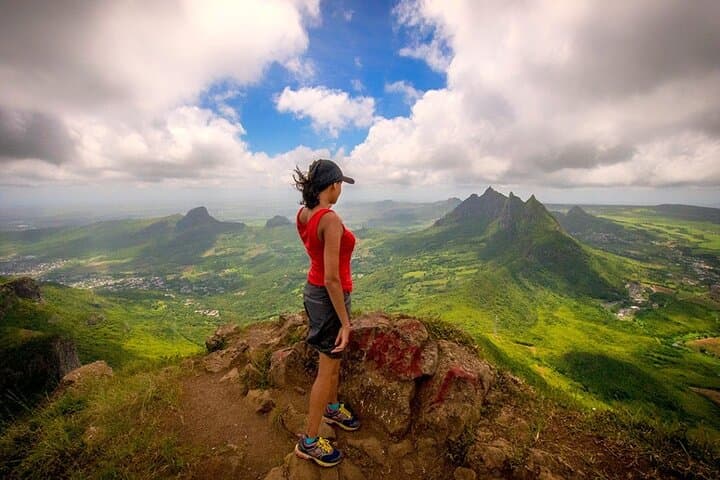
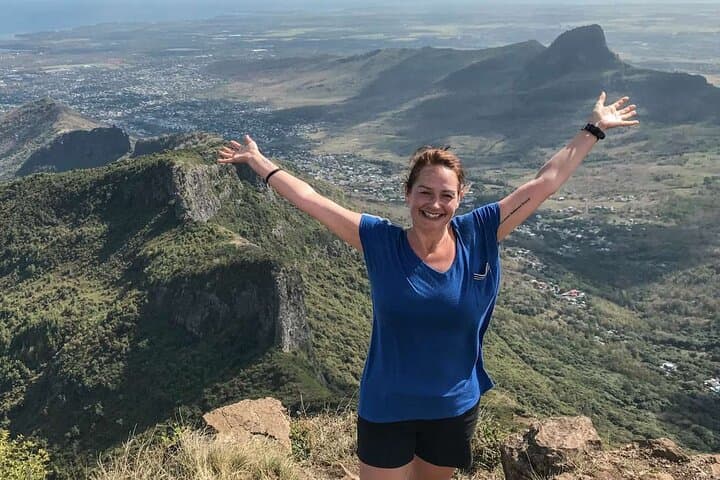
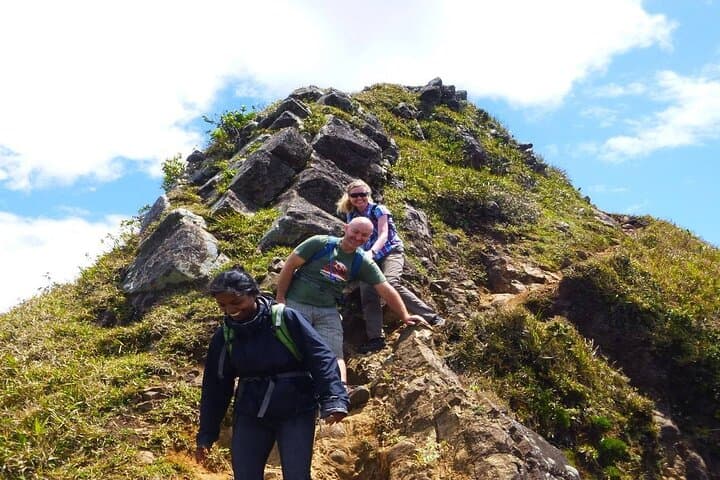
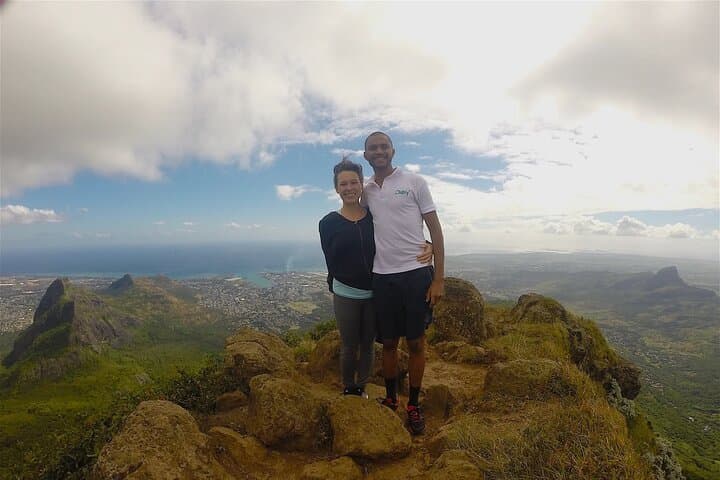
Early morning light slides across sugarcane fields as the transfer winds toward the Moka range and Le Pouce — the island’s thumb-shaped peak. The trail starts in a cool, shaded forest; ferns and endemic shrubs brush past as the path tilts upward. Higher, the canopy opens and the island unfolds: Port Louis’ harbor on one flank, distant reefs and Le Morne on the horizon. The final scramble feels intimate — rock holds warm from the sun and the summit rewards you with a 360° sweep that forces a slow, appreciative turn.
Early morning light slides across sugarcane fields as the transfer winds toward the Moka range and Le Pouce — the island’s thumb-shaped peak. The trail starts in a cool, shaded forest; ferns and endemic shrubs brush past as the path tilts upward. Higher, the canopy opens and the island unfolds: Port Louis’ harbor on one flank, distant reefs and Le Morne on the horizon. The final scramble feels intimate — rock holds warm from the sun and the summit rewards you with a 360° sweep that forces a slow, appreciative turn.
Geologically, Le Pouce is part of Mauritius’ volcanic backbone, capped by weathered basalt and eroded ridgelines that funnel the trade winds. Botanically it's notable: rare endemic species such as Elaeocarpus bojeri (Bois Dentelle) and Cylindrocline commersonii cling to pockets of soil, making the mountain a small but important refuge for native flora. Culturally, the slopes have long been a local weekend draw; guides often share stories of early botanists and the island’s sugar-era settlements below.
Practically, expect 5–6 hours total including transfers and lunch. The route is mostly well-marked but includes a short, steep final ascent requiring sure-footed steps and some basic scrambling. Guides typically provide water, snacks and a cooked Mauritian lunch; bring a daypack, sun protection and non-slip shoes. Start early to avoid midday sun and to enjoy clearer views. Respect fragile plants, stick to the path, and plan for sudden tropical showers — the mountain can shift from bright to misty in under an hour.