THE ADVENTURE COLLECTIVE® · Independent discovery and booking for outdoor travel

A challenging small-group hike up Le Morne Brabant offers dramatic ocean panoramas and a powerful historical context as a UNESCO World Heritage site. This guided ascent combines steep granite scrambling, coastal views, and local stories — plan for a full-day outing and firm footwear.
A challenging small-group hike up Le Morne Brabant offers dramatic ocean panoramas and a powerful historical context as a UNESCO World Heritage site. This guided ascent combines steep granite scrambling, coastal views, and local stories — plan for a full-day outing and firm footwear.
You start before dawn on a compacted trail that climbs from sugarcane shadow into granite and grass; the ocean keeps pace below, a shifting blue that seems to push you upward.
Verified experiences and guided adventures in the surrounding area.
Operated by Mauritius Adventours · Le Morne, Black River District
You start before dawn on a compacted trail that climbs from sugarcane shadow into granite and grass; the ocean keeps pace below, a shifting blue that seems to push you upward.
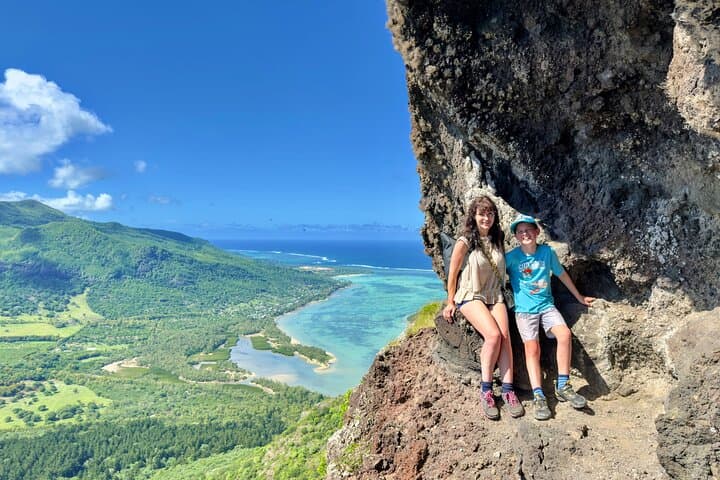
Le Morne Brabant’s silhouette dominates Mauritius’ southwest shore — a steep volcanic monolith formed from ancient lava and hardened ash. The climb traces old goat paths and carved steps, passing pockets of endemic vegetation and iron-rich rock faces. The mountain’s most palpable history is human: its cliffs sheltered runaways from slavery in the 18th and 19th centuries, and the summit remains a solemn lookout over both sea and memory.
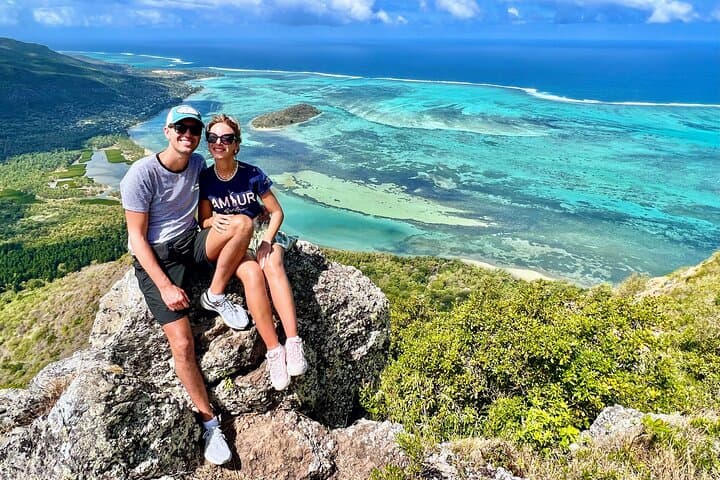
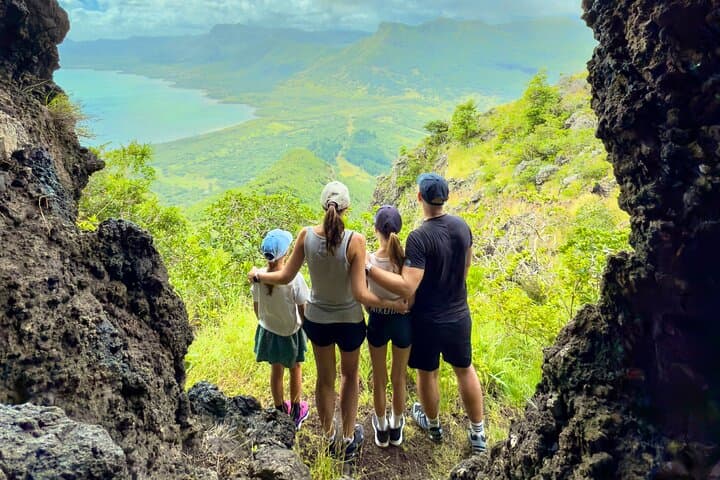
Expect patches of exposed scrambling, short steep sections, and panoramic ledges where trade winds dare you to linger. Guides usually lead small groups, offering local anecdotes about shipwrecks, coral reefs below, and the martial call of seabirds circling the peak. Geologically, the massif is a remnant of Mauritius’ volcanic past; culturally, it’s a living monument and UNESCO World Heritage site.
Practical edge: plan for a 6–8 hour outing with crested humidity in summer and cooler, dryer conditions in winter. Start early to avoid midday heat, bring 2–3 liters of water, wear grippy boots, and be prepared for brief exposed sections. The trail is physically demanding; guides handle route-finding, but you’ll want solid legs and steady feet. Respect signage and ancient sites; the path is fragile and popular, so pack out what you pack in. Reach the summit, and the island’s coast unfurls like a walking map — a reward earned by steady, deliberate effort.
challenging.
7 hours.
Requires high aerobic fitness, strong legs, and comfort on steep, exposed terrain
The guided program is about 7 hours round-trip and is considered challenging — expect steep climbs, short scrambling sections, and sustained elevation gain.
Guiding services and bottled water are included; confirm whether transfers or park fees are part of the booking when you reserve.
This tour is not recommended for pregnant travelers, very young children, or people with recent surgeries, serious heart conditions, or severe knee/back problems.
Operators may cancel if conditions are unsafe due to heavy rain or low visibility; check the 24-hour cancellation policy when you book.
Le Morne Brabant served as a refuge for runaway enslaved people in the 18th–19th centuries and is recognized as a UNESCO World Heritage site for its cultural significance.
The summit’s vegetation and soils are fragile; stay on marked paths, avoid trampling plants, and carry out all waste to limit erosion and protect endemic species.
Mauritius Adventours operates guided outdoor trips and adventures with an emphasis on safety, stewardship, and memorable experiences.

You start before dawn on a compacted trail that climbs from sugarcane shadow into granite and grass; the ocean keeps pace below, a shifting blue that seems to push you upward.
You start before dawn on a compacted trail that climbs from sugarcane shadow into granite and grass; the ocean keeps pace below, a shifting blue that seems to push you upward.
Le Morne Brabant’s silhouette dominates Mauritius’ southwest shore — a steep volcanic monolith formed from ancient lava and hardened ash. The climb traces old goat paths and carved steps, passing pockets of endemic vegetation and iron-rich rock faces. The mountain’s most palpable history is human: its cliffs sheltered runaways from slavery in the 18th and 19th centuries, and the summit remains a solemn lookout over both sea and memory.
Expect patches of exposed scrambling, short steep sections, and panoramic ledges where trade winds dare you to linger. Guides usually lead small groups, offering local anecdotes about shipwrecks, coral reefs below, and the martial call of seabirds circling the peak. Geologically, the massif is a remnant of Mauritius’ volcanic past; culturally, it’s a living monument and UNESCO World Heritage site.
Practical edge: plan for a 6–8 hour outing with crested humidity in summer and cooler, dryer conditions in winter. Start early to avoid midday heat, bring 2–3 liters of water, wear grippy boots, and be prepared for brief exposed sections. The trail is physically demanding; guides handle route-finding, but you’ll want solid legs and steady feet. Respect signage and ancient sites; the path is fragile and popular, so pack out what you pack in. Reach the summit, and the island’s coast unfurls like a walking map — a reward earned by steady, deliberate effort.