THE ADVENTURE COLLECTIVE® · Independent discovery and booking for outdoor travel

A focused sunrise climb up Le Morne Brabant that pairs a hands-on scramble with sweeping ocean views and layered history. Small-group guiding keeps the experience intimate and interpretive.
A focused sunrise climb up Le Morne Brabant that pairs a hands-on scramble with sweeping ocean views and layered history. Small-group guiding keeps the experience intimate and interpretive.
Morning light finds you on a narrow trail that leans into the wind — palms behind you, the Indian Ocean opening to the west. The path to Le Morne Brabant tests the legs quickly: a steady cardio climb, a short hands-on scramble, and then rewarding 360-degree views that stretch from lagoon flats to distant coral reefs.
Verified experiences and guided adventures in the surrounding area.
Operated by Mauritius my Paradise Home: Discover Mauritius with Heart & Soul · Le Morne, Black River
Morning light finds you on a narrow trail that leans into the wind — palms behind you, the Indian Ocean opening to the west. The path to Le Morne Brabant tests the legs quickly: a steady cardio climb, a short hands-on scramble, and then rewarding 360-degree views that stretch from lagoon flats to distant coral reefs.
Le Morne is both geological landmark and cultural marker. The basalt ridge rose from volcanic activity millions of years ago; more recently it became a refuge for escaped enslaved people and is now a UNESCO World Heritage site. Local guides weave geology and human history into the ascent, pointing out endemic plants that cling to the rock and stories etched into the landscape.
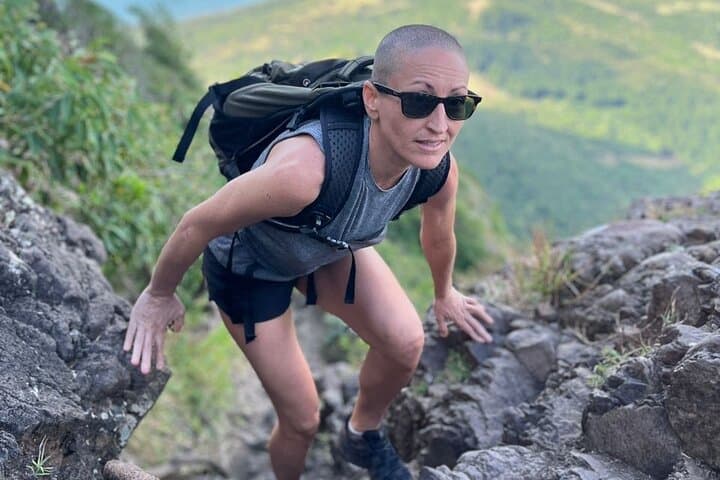
Expect mixed terrain: firm dirt, exposed roots, and a 69-meter scramble requiring three points of contact. The full loop is roughly 6 km with about 490 m of elevation gain, typically completed in 3–4 hours. Small-group guides pause often to rest, share snacks and local insight, and watch for endemic birds.
Practical edge: start at first light to avoid heat and trade stronger winds for clearer views. Wear grippy shoes for short exposed sections and carry 1–1.5 liters of water per person. Mobile reception can be patchy; follow your guide and stick to marked lines to protect fragile vegetation. The hike is intimate by design — ideal for couples or small groups who want a focused, interpretive climb rather than a crowded summit selfie.
moderate.
3–4 hours.
Suitable for people with regular aerobic fitness who can handle sustained uphill walking and brief scrambling.
Children with good endurance and no fear of heights can do it, but the scramble sections and exposure mean supervision and a moderate fitness level are required.
The scramble is short (about 69 m) and requires three points of contact; it’s not technical climbing but needs confidence on hands-on rock.
The route includes exposed stretches; guides will advise and may offer alternative pacing, but it's not recommended for those with severe vertigo.
There’s no extra permit for this commercial guided hike, but visitors must follow local park rules and respect protected areas as explained by the guide.
Le Morne Brabant is a UNESCO World Heritage site historically used as a refuge by runaway enslaved people; the mountain is a powerful cultural symbol for Mauritius.
Stay on established trails to protect fragile endemic plants and avoid trampling; erosion and invasive species are local conservation concerns.
Mauritius my Paradise Home: Discover Mauritius with Heart & Soul operates guided outdoor trips and adventures with an emphasis on safety, stewardship, and memorable experiences.
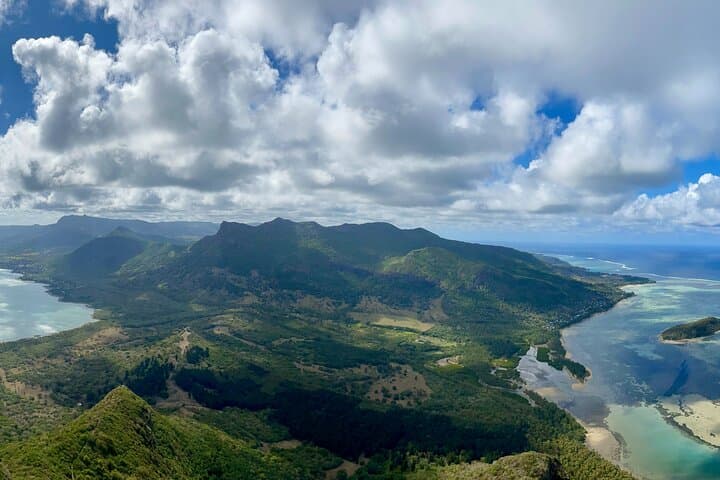
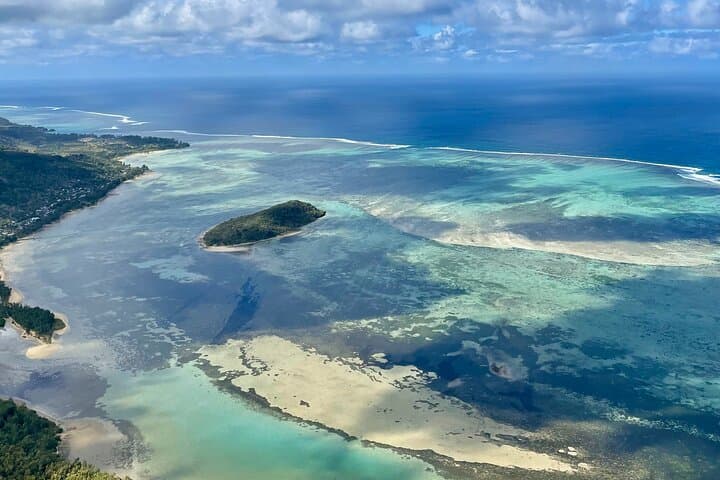
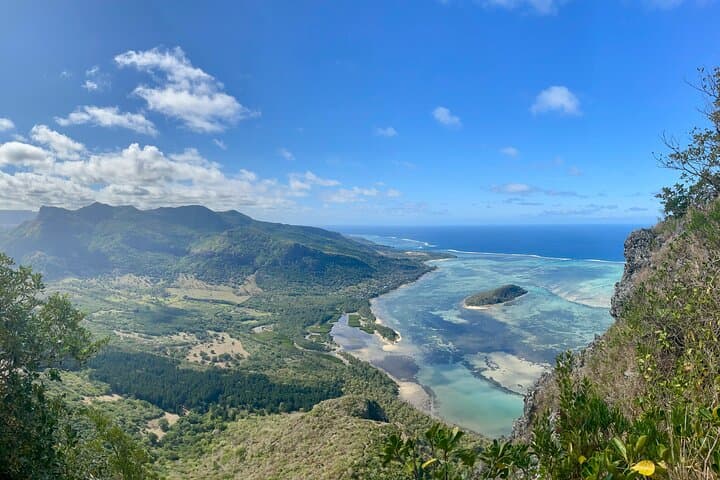
Morning light finds you on a narrow trail that leans into the wind — palms behind you, the Indian Ocean opening to the west. The path to Le Morne Brabant tests the legs quickly: a steady cardio climb, a short hands-on scramble, and then rewarding 360-degree views that stretch from lagoon flats to distant coral reefs.
Morning light finds you on a narrow trail that leans into the wind — palms behind you, the Indian Ocean opening to the west. The path to Le Morne Brabant tests the legs quickly: a steady cardio climb, a short hands-on scramble, and then rewarding 360-degree views that stretch from lagoon flats to distant coral reefs.
Le Morne is both geological landmark and cultural marker. The basalt ridge rose from volcanic activity millions of years ago; more recently it became a refuge for escaped enslaved people and is now a UNESCO World Heritage site. Local guides weave geology and human history into the ascent, pointing out endemic plants that cling to the rock and stories etched into the landscape.
Expect mixed terrain: firm dirt, exposed roots, and a 69-meter scramble requiring three points of contact. The full loop is roughly 6 km with about 490 m of elevation gain, typically completed in 3–4 hours. Small-group guides pause often to rest, share snacks and local insight, and watch for endemic birds.
Practical edge: start at first light to avoid heat and trade stronger winds for clearer views. Wear grippy shoes for short exposed sections and carry 1–1.5 liters of water per person. Mobile reception can be patchy; follow your guide and stick to marked lines to protect fragile vegetation. The hike is intimate by design — ideal for couples or small groups who want a focused, interpretive climb rather than a crowded summit selfie.