THE ADVENTURE COLLECTIVE® · Independent discovery and booking for outdoor travel

Start before dawn and climb Le Morne Brabant with a local guide to catch the island’s most dramatic sunrise. This 3–4 hour hike mixes short rock scrambles, sweeping coastal views, and a powerful cultural history at a UNESCO site.
Start before dawn and climb Le Morne Brabant with a local guide to catch the island’s most dramatic sunrise. This 3–4 hour hike mixes short rock scrambles, sweeping coastal views, and a powerful cultural history at a UNESCO site.
You begin before the island is fully awake: headlamps cutting through coastal gloom, the lagoon a dark sheet to your right and the massif of Le Morne rising like a sheer wall ahead.
Verified experiences and guided adventures in the surrounding area.
Operated by Yanature · Le Morne, Black River
You begin before the island is fully awake: headlamps cutting through coastal gloom, the lagoon a dark sheet to your right and the massif of Le Morne rising like a sheer wall ahead.
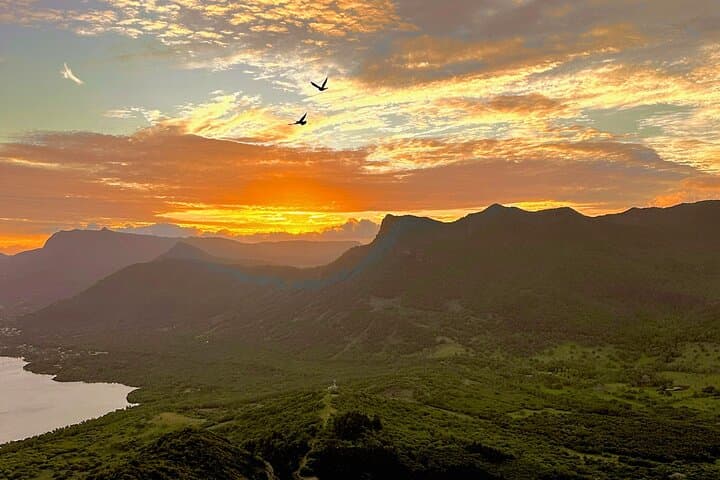
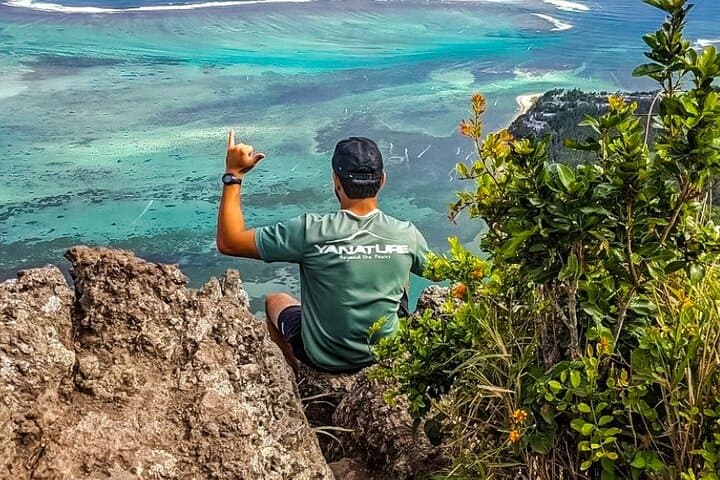
As the sun lifts over the Indian Ocean, the rock faces glow and the sea turns turquoise beneath the reef. Local guides lead small groups along trails that shift from sandy approach to steep steps and short rock-scramble pitches, pausing to tell the story of Le Morne as a refuge for escaped slaves — a cultural landscape recognized by UNESCO for its historical weight and living memory.
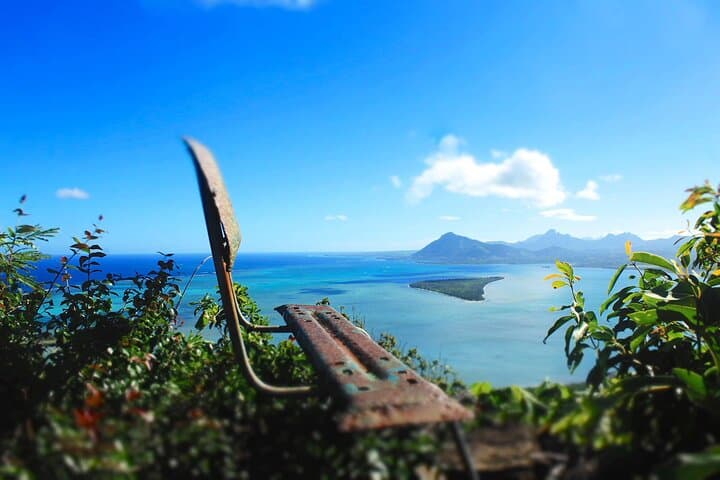
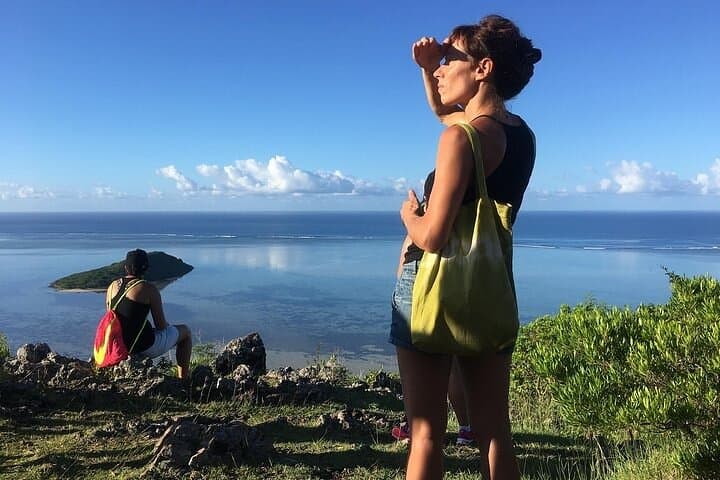
Geologically, the peak is a remnant of basaltic flows and resistant volcanic plugs; the climb rewards you with a compact summit and sweeping views across the southwest lagoon, coral flats, and sugarcane plains. Birdsong and the occasional ocean breeze punctuate the ascent, while vegetation thins as you gain exposure.
Practically: expect 3–4 hours round-trip with sections requiring sure-footedness and basic scrambling. Guides set a steady, safe pace for sunrise timing; bring a headlamp, at least 1–1.5 liters of water, and shoes with sticky soles for wet rock. Weather shifts quickly — early mornings can be cool near the summit but humid on the approach.
Respect the site: this is both a natural landmark and a cultural memorial. Follow your guide, pack out all waste, and allow time at the top to watch the lagoon light up — the payoff is a quiet, panoramic sunrise few routes deliver.
moderate.
3–4 hours.
Moderate fitness: able to sustain uphill walking, short rock-scramble moves, and steady pace for 3–4 hours.
Moderate: there are steep sections and short rock scrambles but guides keep a steady, manageable pace; basic fitness and sure-footedness are recommended.
No special permit for the hike itself; the site is protected and commercial guides operate with local permissions—check if your tour includes park fees.
Dry season (May–October) tends to offer clearer skies and cooler mornings, but sunrise tours run year-round; pick a drier spell for better visibility.
Not recommended for very young children, those with spinal problems, or poor cardiovascular health due to steep and scrambling sections; consult the operator for private options.
Le Morne Brabant served as a refuge for escaped enslaved people in the 18th–19th centuries and is inscribed as a UNESCO Cultural Landscape for its role in Mauritian memory and identity.
The site balances visitor access with cultural conservation; stay on trails, avoid disturbing vegetation, and support local guides who practice low-impact tourism.
Yanature operates guided outdoor trips and adventures with an emphasis on safety, stewardship, and memorable experiences.
You begin before the island is fully awake: headlamps cutting through coastal gloom, the lagoon a dark sheet to your right and the massif of Le Morne rising like a sheer wall ahead.
You begin before the island is fully awake: headlamps cutting through coastal gloom, the lagoon a dark sheet to your right and the massif of Le Morne rising like a sheer wall ahead.
As the sun lifts over the Indian Ocean, the rock faces glow and the sea turns turquoise beneath the reef. Local guides lead small groups along trails that shift from sandy approach to steep steps and short rock-scramble pitches, pausing to tell the story of Le Morne as a refuge for escaped slaves — a cultural landscape recognized by UNESCO for its historical weight and living memory.
Geologically, the peak is a remnant of basaltic flows and resistant volcanic plugs; the climb rewards you with a compact summit and sweeping views across the southwest lagoon, coral flats, and sugarcane plains. Birdsong and the occasional ocean breeze punctuate the ascent, while vegetation thins as you gain exposure.
Practically: expect 3–4 hours round-trip with sections requiring sure-footedness and basic scrambling. Guides set a steady, safe pace for sunrise timing; bring a headlamp, at least 1–1.5 liters of water, and shoes with sticky soles for wet rock. Weather shifts quickly — early mornings can be cool near the summit but humid on the approach.
Respect the site: this is both a natural landmark and a cultural memorial. Follow your guide, pack out all waste, and allow time at the top to watch the lagoon light up — the payoff is a quiet, panoramic sunrise few routes deliver.