THE ADVENTURE COLLECTIVE® · Independent discovery and booking for outdoor travel

Climb Le Morne Brabant with local guides for a 3–5 hour hike that pairs coastal panoramas and a short scramble with deep historical context. Start early, wear grippy shoes, and expect sweeping Indian Ocean views from the 556 m summit.
Climb Le Morne Brabant with local guides for a 3–5 hour hike that pairs coastal panoramas and a short scramble with deep historical context. Start early, wear grippy shoes, and expect sweeping Indian Ocean views from the 556 m summit.
The trail opens with the ocean at your back and a basalt headland rising sharp and silent ahead—Le Morne Brabant’s cliff face daring you up. Early light paints the rock and trade winds push along the shore as local guides lead a small group through coastal scrub into steeper, shaded sections.
Verified experiences and guided adventures in the surrounding area.
Operated by Local Spirit Mauritius · Le Morne, Rivière Noire District
The trail opens with the ocean at your back and a basalt headland rising sharp and silent ahead—Le Morne Brabant’s cliff face daring you up. Early light paints the rock and trade winds push along the shore as local guides lead a small group through coastal scrub into steeper, shaded sections.
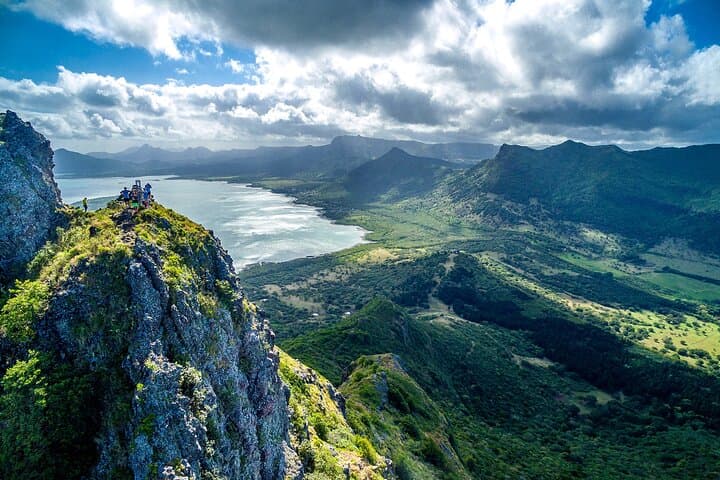
Standing 556 m above the Indian Ocean, Le Morne is as much cultural landmark as geological feature: an isolated basalt monolith formed by volcanic flows, later sculpted by erosion into the steep spur you see today. The mountain is a UNESCO World Heritage site, honored for its role as a refuge for escaped slaves and a symbol of Mauritian freedom; guides often weave this history into the ascent, linking place, people, and memory.
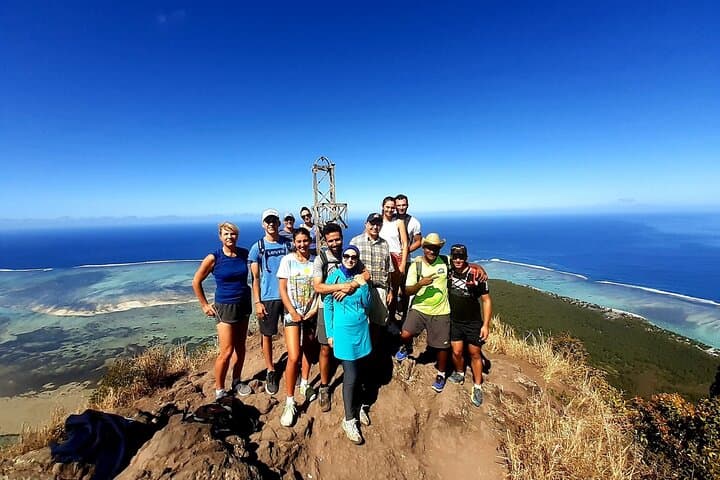
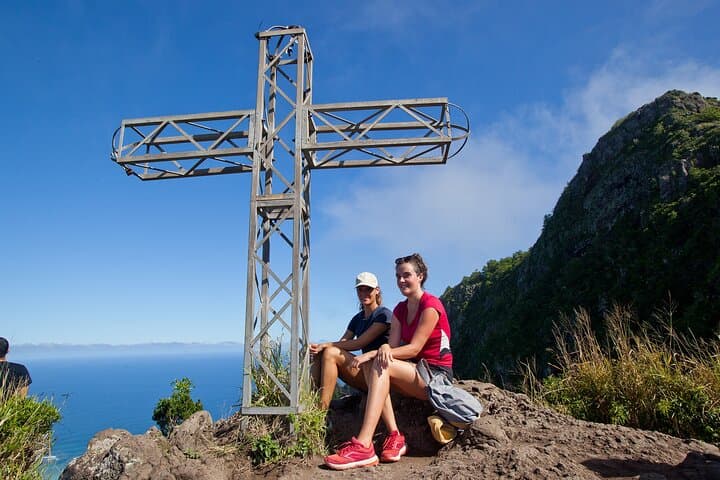
The route is primarily a brisk walk with rocky steps and one short, steep scramble that requires sure footing but no technical gear. Expect roughly 3–5 hours round-trip, around 3–4 km with an elevation gain up to the summit’s 556 m, depending on the trailhead. Vegetation shifts from coastal grasses to pockets of endemic shrubs; seabirds wheel offshore while the summit gives sweeping views across lagoon blues and the rugged southwest coast.
Practical edge: start early to avoid midday heat and wind, bring 1–2 liters of water, sun protection, and sturdy hiking shoes with good grip. The guides provide local context and bottled water and are experienced with the non-technical scramble; the company contributes to village projects, so your booking supports the local community. Be prepared for uneven terrain and short exposed sections—move deliberately and enjoy the view when you earn it.
moderate.
3–5 hours.
Moderate fitness required—comfortable with steep, sustained uphill walking and a short scramble; not suitable for those with serious cardiovascular or back issues.
Expect 3–5 hours round-trip with a mostly steady uphill, rocky trail and one short, non-technical scramble; difficulty is moderate.
No technical climbing skills or ropes are needed—basic scrambling ability and sure-footedness suffice; guides assist through exposed sections.
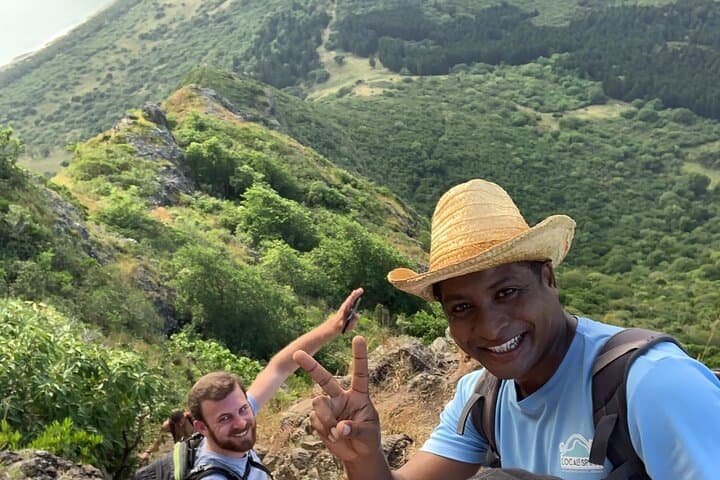
Local professional guides lead the hike, provide cultural interpretation, and usually supply bottled water; bookings often support village programs.
The tour is not recommended for travelers with serious heart or back problems; participants should have moderate fitness and be able to handle uneven terrain.
Le Morne Brabant is a UNESCO World Heritage site recognized for its role as a refuge for escaped slaves (maroons) and as a powerful cultural symbol in Mauritian history.
The area is protected to preserve both its natural geology and cultural heritage; stay on trails and follow guide instructions to limit erosion and protect native vegetation.
Local Spirit Mauritius operates guided outdoor trips and adventures with an emphasis on safety, stewardship, and memorable experiences.
The trail opens with the ocean at your back and a basalt headland rising sharp and silent ahead—Le Morne Brabant’s cliff face daring you up. Early light paints the rock and trade winds push along the shore as local guides lead a small group through coastal scrub into steeper, shaded sections.
The trail opens with the ocean at your back and a basalt headland rising sharp and silent ahead—Le Morne Brabant’s cliff face daring you up. Early light paints the rock and trade winds push along the shore as local guides lead a small group through coastal scrub into steeper, shaded sections.
Standing 556 m above the Indian Ocean, Le Morne is as much cultural landmark as geological feature: an isolated basalt monolith formed by volcanic flows, later sculpted by erosion into the steep spur you see today. The mountain is a UNESCO World Heritage site, honored for its role as a refuge for escaped slaves and a symbol of Mauritian freedom; guides often weave this history into the ascent, linking place, people, and memory.
The route is primarily a brisk walk with rocky steps and one short, steep scramble that requires sure footing but no technical gear. Expect roughly 3–5 hours round-trip, around 3–4 km with an elevation gain up to the summit’s 556 m, depending on the trailhead. Vegetation shifts from coastal grasses to pockets of endemic shrubs; seabirds wheel offshore while the summit gives sweeping views across lagoon blues and the rugged southwest coast.
Practical edge: start early to avoid midday heat and wind, bring 1–2 liters of water, sun protection, and sturdy hiking shoes with good grip. The guides provide local context and bottled water and are experienced with the non-technical scramble; the company contributes to village projects, so your booking supports the local community. Be prepared for uneven terrain and short exposed sections—move deliberately and enjoy the view when you earn it.