THE ADVENTURE COLLECTIVE® · Independent discovery and booking for outdoor travel

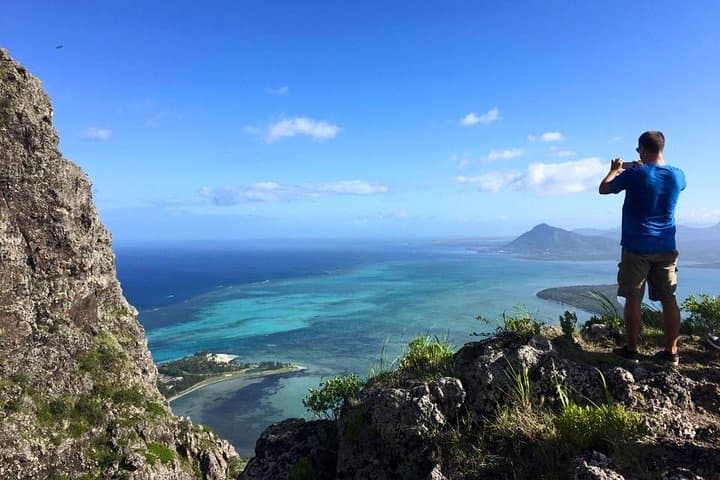
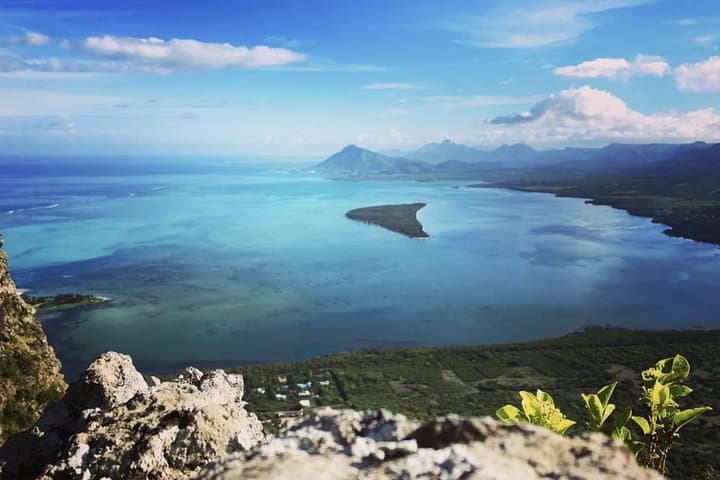
A guided ascent of Le Morne Brabant combines coastal panoramas, endemic flora and deep cultural history on a sharp 556‑m basalt peak. This transfer‑included hike takes about 3–4 hours and ends with sweeping views of Mauritius' southwest lagoons.
A guided ascent of Le Morne Brabant combines coastal panoramas, endemic flora and deep cultural history on a sharp 556‑m basalt peak. This transfer‑included hike takes about 3–4 hours and ends with sweeping views of Mauritius' southwest lagoons.
The trail opens beneath a hot, wind-whipped sky—palm fronds clap as you step from the air‑conditioned vehicle onto the basalt flank of Le Morne Brabant. The path quickly narrows; the mountain leans into the wind like a living thing, its cliffs daring you to look down at the lagoon that mirrors the sky.
Verified experiences and guided adventures in the surrounding area.
Operated by ToursBooking.mu · Le Morne Village, Rivière Noire (Black River)
The trail opens beneath a hot, wind-whipped sky—palm fronds clap as you step from the air‑conditioned vehicle onto the basalt flank of Le Morne Brabant. The path quickly narrows; the mountain leans into the wind like a living thing, its cliffs daring you to look down at the lagoon that mirrors the sky.
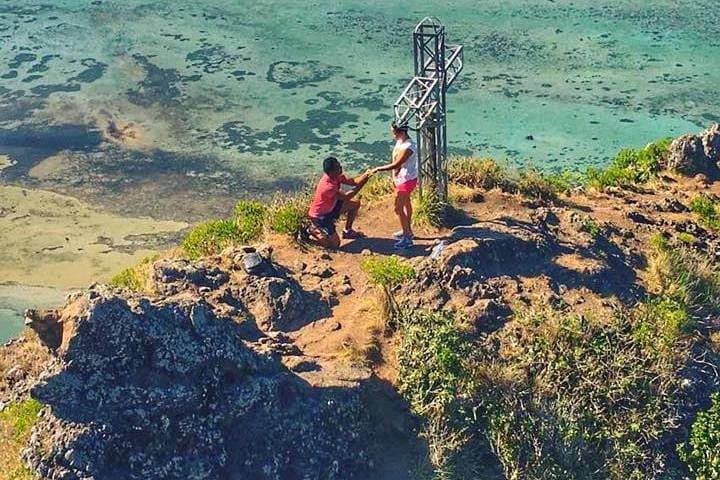
Geology here is blunt and ancient: a basalt monolith thrust from volcanic activity and carved by millennia of rain and trade winds. Le Morne rises to 556 metres, its flanks threaded with terraces and gullies. Culturally the place carries weight—the headland served as a refuge for runaway slaves and in 2008 UNESCO recognized its landscape and memory as world heritage, a place where human history and natural drama intersect.
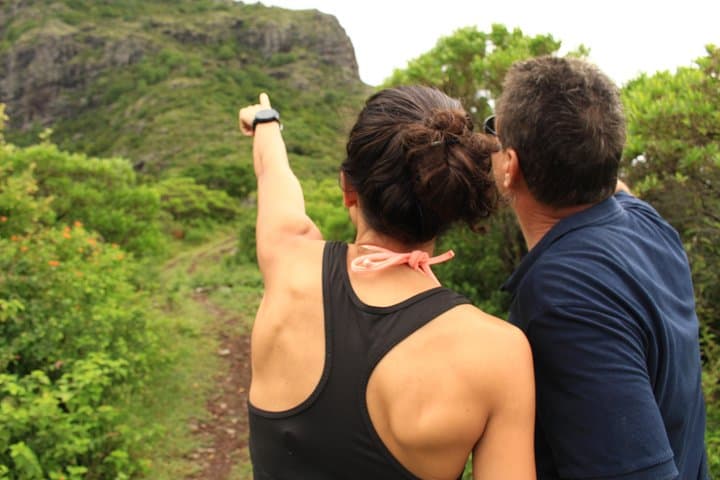
Expect shaded sections through endemic scrub and pockets where Trochetia boutoniana, the national flower, can be spotted. Your guide will thread local stories—of resistance, of seafaring routes visible from the summit—and point out geological markers that shaped the southwest coast.
Practical guidance: the guided ascent and return take roughly 3–4 hours with steady climbs and short steep pitches. Wear grippy hiking shoes, bring at least 1.5 liters of water, sun protection, and a light layer for coastal winds. Morning departures avoid heat and offer clearer views of the lagoon and neighboring islets. The summit rewards effort with sweeping panoramas of turquoise reefs and the long curve of the island; come prepared to move steadily, respect cultural sites, and leave no trace.
moderate.
3–4 hours.
Suitable for hikers in moderate fitness; expect steady uphill sections and short steep pitches.
The guided round trip typically lasts about 3–4 hours depending on pace and time spent at viewpoints.
Yes—guides lead the route and it’s suitable for most fitness levels, but expect some steep sections and uneven footing.
Yes; this tour includes private, air‑conditioned transportation between pickup points and the trailhead.
Minimum age is typically 12; not recommended for travelers with serious cardiovascular or spinal conditions.
Le Morne served as a refuge for escaped slaves in the 18th and 19th centuries; its slopes hold memorials and cultural significance recognized by UNESCO in 2008.
Trails are fragile and endemic species are vulnerable—stick to paths, avoid picking plants, and pack out all waste to protect the site's ecological and cultural values.
ToursBooking.mu operates guided outdoor trips and adventures with an emphasis on safety, stewardship, and memorable experiences.
The trail opens beneath a hot, wind-whipped sky—palm fronds clap as you step from the air‑conditioned vehicle onto the basalt flank of Le Morne Brabant. The path quickly narrows; the mountain leans into the wind like a living thing, its cliffs daring you to look down at the lagoon that mirrors the sky.
The trail opens beneath a hot, wind-whipped sky—palm fronds clap as you step from the air‑conditioned vehicle onto the basalt flank of Le Morne Brabant. The path quickly narrows; the mountain leans into the wind like a living thing, its cliffs daring you to look down at the lagoon that mirrors the sky.
Geology here is blunt and ancient: a basalt monolith thrust from volcanic activity and carved by millennia of rain and trade winds. Le Morne rises to 556 metres, its flanks threaded with terraces and gullies. Culturally the place carries weight—the headland served as a refuge for runaway slaves and in 2008 UNESCO recognized its landscape and memory as world heritage, a place where human history and natural drama intersect.
Expect shaded sections through endemic scrub and pockets where Trochetia boutoniana, the national flower, can be spotted. Your guide will thread local stories—of resistance, of seafaring routes visible from the summit—and point out geological markers that shaped the southwest coast.
Practical guidance: the guided ascent and return take roughly 3–4 hours with steady climbs and short steep pitches. Wear grippy hiking shoes, bring at least 1.5 liters of water, sun protection, and a light layer for coastal winds. Morning departures avoid heat and offer clearer views of the lagoon and neighboring islets. The summit rewards effort with sweeping panoramas of turquoise reefs and the long curve of the island; come prepared to move steadily, respect cultural sites, and leave no trace.