THE ADVENTURE COLLECTIVE® · Independent discovery and booking for outdoor travel

See over 30 of Paris’s top sights in a single half-day walking tour that mixes Montmartre charm with the grandeur of the Louvre and the Arc de Triomphe. Perfect for first-time visitors who want orientation, history, and photo-ready views.
See over 30 of Paris’s top sights in a single half-day walking tour that mixes Montmartre charm with the grandeur of the Louvre and the Arc de Triomphe. Perfect for first-time visitors who want orientation, history, and photo-ready views.
You step out from a métro kiosk into a city that moves in layers — cicadas of conversation, the click of camera shutters, and river wind tugging at scarf ends. The guide gathers the group, and within minutes you’re climbing toward Montmartre’s white basilica, the district’s cobbled slopes giving way to postcard panoramas of Paris’ rooftops.
Verified experiences and guided adventures in the surrounding area.
Operated by Black Cat Tours · Paris, Île-de-France
You step out from a métro kiosk into a city that moves in layers — cicadas of conversation, the click of camera shutters, and river wind tugging at scarf ends. The guide gathers the group, and within minutes you’re climbing toward Montmartre’s white basilica, the district’s cobbled slopes giving way to postcard panoramas of Paris’ rooftops.
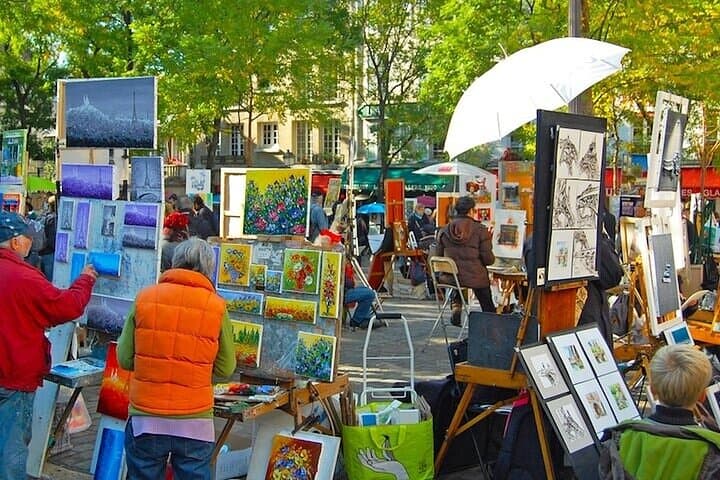
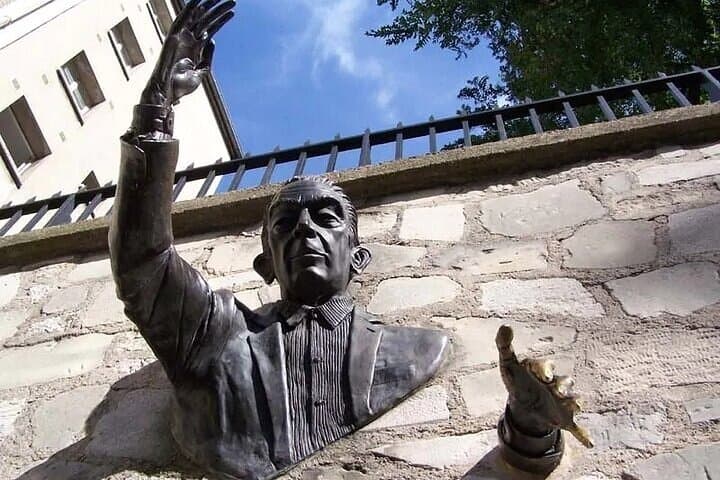
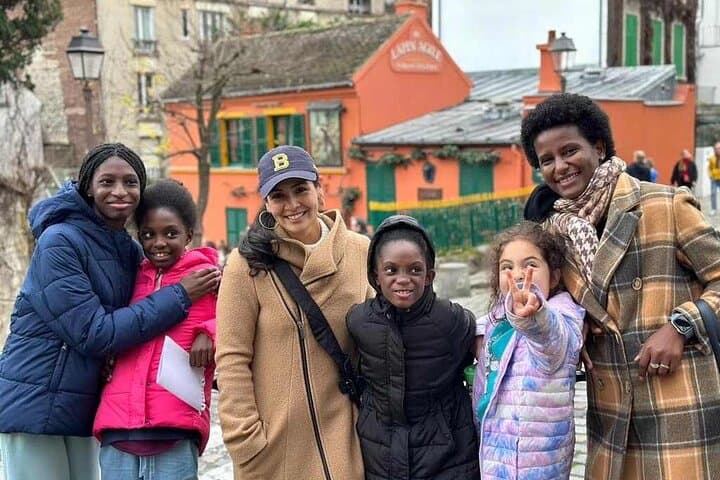
The half-day route threads through centuries: medieval Île de la Cité where Notre-Dame stands (viewed from outside), the Louvre’s classical facade, the formal geometry of the Tuileries, the wide sweep of the Champs-Élysées and the Arc de Triomphe, then downriver to the Trocadéro with the Eiffel beyond. Montmartre itself reads like a 19th-century artists’ ledger — windmill restaurants, the last vineyard, the Bateau-Lavoir where Picasso once worked, and small squares that still echo chanson and street painters.
Geologically flat river plains and engineered quays define the walking surface; expect paved streets, occasional steep steps in Montmartre, and busy pedestrian crossings. Culturally, the tour compresses Parisian history and bohemian lore into stories and stops that orient you to the city’s layout and rhythm.
Practical guidance: bring a Mobilis day ticket for metros used during the tour, wear supportive shoes for roughly 8–10 km of walking interspersed with short rides, and carry a small water bottle. Plan for crowds around major monuments — mornings are gentler — and allow time after the tour to revisit a favorite site on your own.
moderate.
5–6 hours.
Moderate fitness needed: you should be comfortable walking 8–10 km and handling stairs and crowded sidewalks.
No — this tour views attractions from the exterior only; admission tickets (e.g., Louvre, Sainte-Chapelle) are not included.
The tour lists wheelchair accessibility, but some areas like Montmartre have steep, uneven sections; contact the operator to confirm route adaptations.
Strollers are allowed on much of the route, though steps in Montmartre can be challenging; infant seats are available if needed.
The operator may cancel for severe weather with a refund if more than 24 hours’ notice isn’t possible; bring a light rain jacket for showers.
Montmartre grew in the 19th and early 20th centuries as an artists’ quarter where painters, poets and musicians shaped modern art; Île de la Cité is the medieval core of Paris.
High visitor numbers stress historic streets and public spaces — use public transit, stay on marked paths, and avoid littering to protect the cityscape.
Black Cat Tours operates guided outdoor trips and adventures with an emphasis on safety, stewardship, and memorable experiences.

You step out from a métro kiosk into a city that moves in layers — cicadas of conversation, the click of camera shutters, and river wind tugging at scarf ends. The guide gathers the group, and within minutes you’re climbing toward Montmartre’s white basilica, the district’s cobbled slopes giving way to postcard panoramas of Paris’ rooftops.
You step out from a métro kiosk into a city that moves in layers — cicadas of conversation, the click of camera shutters, and river wind tugging at scarf ends. The guide gathers the group, and within minutes you’re climbing toward Montmartre’s white basilica, the district’s cobbled slopes giving way to postcard panoramas of Paris’ rooftops.
The half-day route threads through centuries: medieval Île de la Cité where Notre-Dame stands (viewed from outside), the Louvre’s classical facade, the formal geometry of the Tuileries, the wide sweep of the Champs-Élysées and the Arc de Triomphe, then downriver to the Trocadéro with the Eiffel beyond. Montmartre itself reads like a 19th-century artists’ ledger — windmill restaurants, the last vineyard, the Bateau-Lavoir where Picasso once worked, and small squares that still echo chanson and street painters.
Geologically flat river plains and engineered quays define the walking surface; expect paved streets, occasional steep steps in Montmartre, and busy pedestrian crossings. Culturally, the tour compresses Parisian history and bohemian lore into stories and stops that orient you to the city’s layout and rhythm.
Practical guidance: bring a Mobilis day ticket for metros used during the tour, wear supportive shoes for roughly 8–10 km of walking interspersed with short rides, and carry a small water bottle. Plan for crowds around major monuments — mornings are gentler — and allow time after the tour to revisit a favorite site on your own.