THE ADVENTURE COLLECTIVE® · Independent discovery and booking for outdoor travel

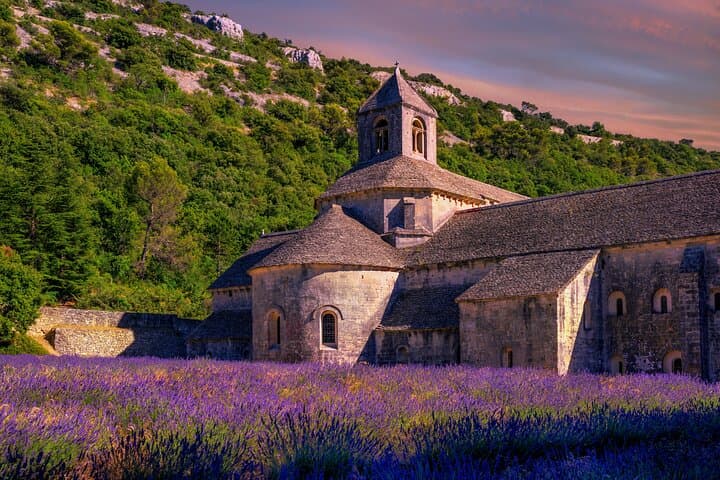
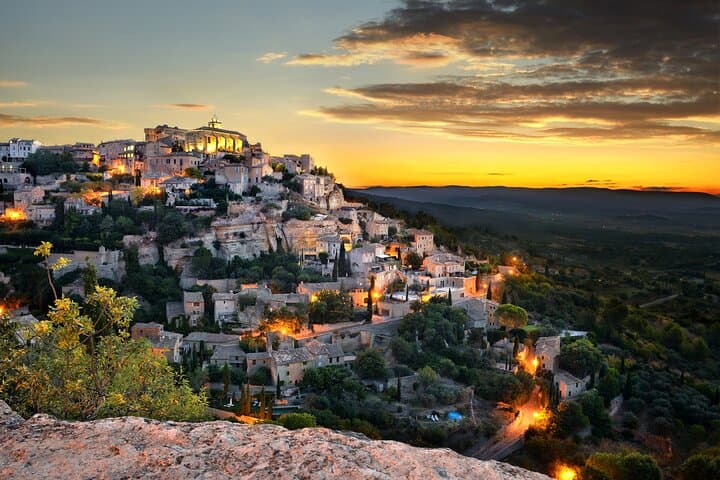
Drive into the Luberon to see Sénanque Abbey’s lavender fields, wander Gordes’ hilltop streets, and walk Roussillon’s ochre cliffs on a small-group day trip from Avignon. This intimate tour blends scenic photo stops with local history and light walking.
Drive into the Luberon to see Sénanque Abbey’s lavender fields, wander Gordes’ hilltop streets, and walk Roussillon’s ochre cliffs on a small-group day trip from Avignon. This intimate tour blends scenic photo stops with local history and light walking.
A low sun smears gold across undulating rows of lavender as the minivan hums away from Avignon, and the scent thickens until the fields feel alive—pushing, swaying, daring you to step closer for the photograph.
Verified experiences and guided adventures in the surrounding area.
Operated by PROVANS · Avignon, Provence-Alpes-Côte d'Azur
A low sun smears gold across undulating rows of lavender as the minivan hums away from Avignon, and the scent thickens until the fields feel alive—pushing, swaying, daring you to step closer for the photograph.
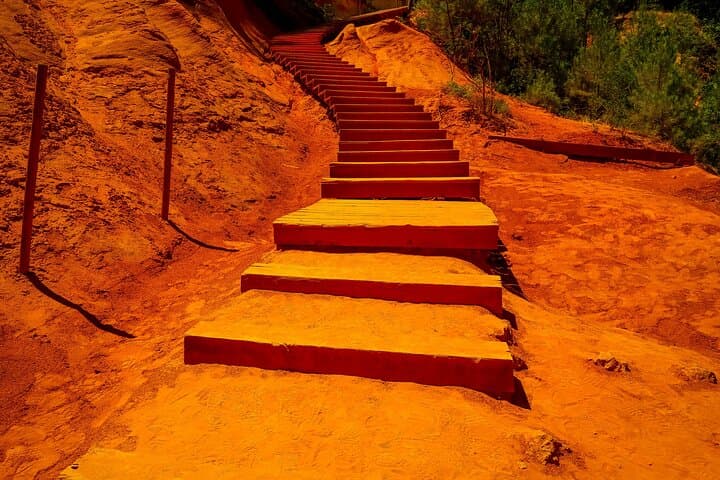
The day follows a simple arc: a 12th‑century Cistercian abbey framed by violet blooms, a hilltop village with stone streets and sweeping valley views, and ochre cliffs that read like painted earth. Sénanque Abbey is a living relic of medieval monastic life; its Romanesque stones sit on limestone shaped by millennia of marine sedimentation that now gives the Luberon its folded, green ridges. In Roussillon the ochre miners’ history is visible in the cliffs—iron-rich soils oxidized into vivid reds and oranges that locals turned into pigments and trade.
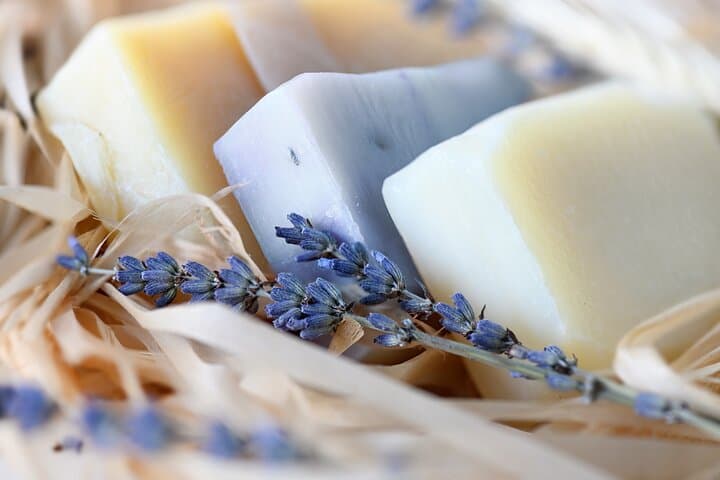
Culturally, the route moves at Provençal pace: markets, cafés, and small producers who still distill lavender oil by hand. The guide-run small group (max 8) keeps the experience intimate and the commentary local—expect stops for photos, a walkable Ochre Trail (small fee), and time for a café lunch.
Practical notes: lavender peaks vary—late June into July; the tour adapts to where fields are most vibrant. Wear sturdy shoes for cobbles and dirt paths, bring sun protection and refillable water, and keep small cash for trail fees or market purchases. The tour does not always include abbey interior visits and isn’t recommended for those with bee allergies. For photographers and casual hikers alike, this day trip balances calm rural scenery with hands-on cultural stops—straightforward logistics, big views, and the smell of summer in every breath.
moderate.
9 hours.
Light to moderate fitness: able to stand, walk short uneven sections and climb village steps.
Bloom time varies by year and elevation, but prime flowering in the Luberon typically runs from late June into July; guides adjust the route to find the best displays.
The itinerary usually includes external photo stops; interior visits are limited and not guaranteed due to timing and monastery access rules.
Children can join but must be accompanied by an adult; the tour involves walking on uneven ground and stairs and is not recommended for travelers with significant mobility problems.
This area has bees around lavender fields; the tour operator notes the trip is not recommended for travelers with bee sting allergies—inform the guide if you have severe reactions.
Sénanque Abbey is a 12th‑century Cistercian foundation; the Luberon villages grew around medieval agriculture, olive cultivation, and ochre mining in Roussillon.
Respect field boundaries and private farms; stick to marked trails in Roussillon and avoid trampling lavender—local producers rely on sustainable harvests and low-impact tourism.
PROVANS operates guided outdoor trips and adventures with an emphasis on safety, stewardship, and memorable experiences.
A low sun smears gold across undulating rows of lavender as the minivan hums away from Avignon, and the scent thickens until the fields feel alive—pushing, swaying, daring you to step closer for the photograph.
A low sun smears gold across undulating rows of lavender as the minivan hums away from Avignon, and the scent thickens until the fields feel alive—pushing, swaying, daring you to step closer for the photograph.
The day follows a simple arc: a 12th‑century Cistercian abbey framed by violet blooms, a hilltop village with stone streets and sweeping valley views, and ochre cliffs that read like painted earth. Sénanque Abbey is a living relic of medieval monastic life; its Romanesque stones sit on limestone shaped by millennia of marine sedimentation that now gives the Luberon its folded, green ridges. In Roussillon the ochre miners’ history is visible in the cliffs—iron-rich soils oxidized into vivid reds and oranges that locals turned into pigments and trade.
Culturally, the route moves at Provençal pace: markets, cafés, and small producers who still distill lavender oil by hand. The guide-run small group (max 8) keeps the experience intimate and the commentary local—expect stops for photos, a walkable Ochre Trail (small fee), and time for a café lunch.
Practical notes: lavender peaks vary—late June into July; the tour adapts to where fields are most vibrant. Wear sturdy shoes for cobbles and dirt paths, bring sun protection and refillable water, and keep small cash for trail fees or market purchases. The tour does not always include abbey interior visits and isn’t recommended for those with bee allergies. For photographers and casual hikers alike, this day trip balances calm rural scenery with hands-on cultural stops—straightforward logistics, big views, and the smell of summer in every breath.