THE ADVENTURE COLLECTIVE® · Independent discovery and booking for outdoor travel

Spend a full day from Avignon exploring the Luberon’s lavender fields, a visit to the Lavender Museum in Le Coustellet, and stops in hilltop Provençal villages — ideal in June–July when the blooms peak.
Spend a full day from Avignon exploring the Luberon’s lavender fields, a visit to the Lavender Museum in Le Coustellet, and stops in hilltop Provençal villages — ideal in June–July when the blooms peak.
Morning light from Avignon slips across the plain and the air changes — a faint, sweet throb of lavender that grows stronger as the minivan climbs toward the Luberon hills. Guests follow a ribbon of country road past stone walls and cypress until rows of purple plants press at the horizon; bees hum like tiny motors, crowding the blooms.
Verified experiences and guided adventures in the surrounding area.
Operated by Driver B&C · Avignon, Vaucluse
Morning light from Avignon slips across the plain and the air changes — a faint, sweet throb of lavender that grows stronger as the minivan climbs toward the Luberon hills. Guests follow a ribbon of country road past stone walls and cypress until rows of purple plants press at the horizon; bees hum like tiny motors, crowding the blooms.
This route threads through Provence’s agricultural history: the limestone soils and sunny exposure that favor Lavandula angustifolia, the distilleries that shaped local economies, and hamlets that rose on strategic hilltops in medieval times. Geology here is visible — benches of creamy limestone, terraced fields, and shallow valleys that channel mistral winds, which dry the herbs and concentrate their oils.
On this full-day trip you’ll visit the Lavender Museum at Le Coustellet to see traditional distillation and stop in classic Luberon villages — places where stone squares and narrow lanes recall rural Provençal life. The pace is easy: short walks through fields, museum time, and photo stops at viewpoints.
Practicalities matter. Tours run June–July for peak bloom; shoulder seasons offer quieter roads but fewer flowers. Private transport and bottled water are standard; if mobility is limited, advise the operator in advance — minivans can have high steps. Respect planted rows: stay on paths, and buy from local distillers when possible to support conservation.
Expect eight hours, gentle walking, big vistas, and a sensory crash course in why Provence’s lavender remains both an industry and an emblem of place.
easy.
8 hours.
Suitable for all fitness levels; expect short, flat to slightly uneven walks and some standing during museum visits.
This is an approximately 8-hour private tour departing from Avignon with pickup arranged at your hotel or an agreed meeting point.
Peak bloom is typically mid-June through mid-July, though altitude and yearly weather can shift timing slightly.
Yes — the operator notes strollers are possible, but minivan step heights can make boarding difficult for some families; contact the operator if mobility is a concern.
The Lavender Museum visit is included as an itinerary stop, but specific admission fees or guided demos may vary; confirm at booking.
Lavender cultivation in Provence expanded in the 19th century as distillation techniques improved; the plant has been both an agricultural product and a regional specialty for generations.
Fields are sensitive to trampling and pesticide use; stick to paths, buy from local distillers, and support tours that practice low-impact access.
Driver B&C operates guided outdoor trips and adventures with an emphasis on safety, stewardship, and memorable experiences.
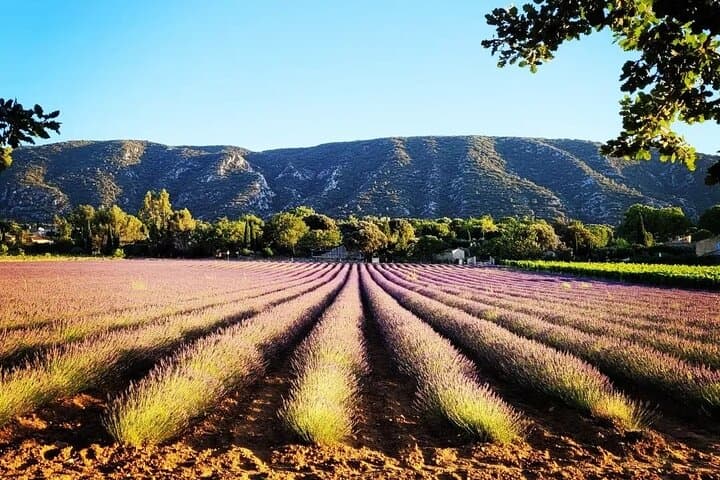
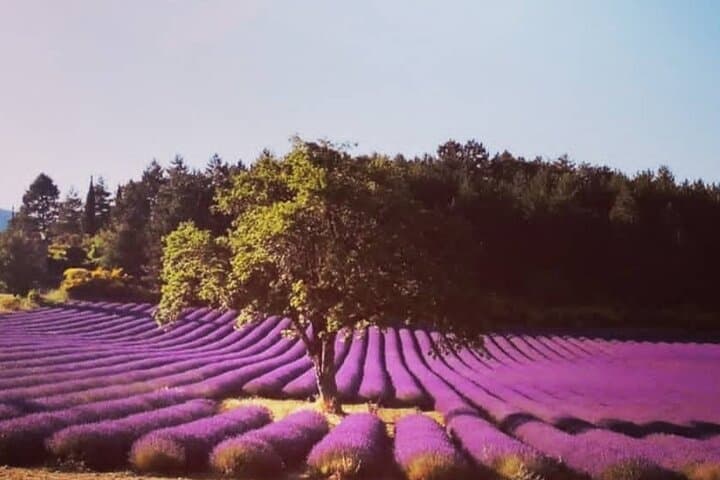

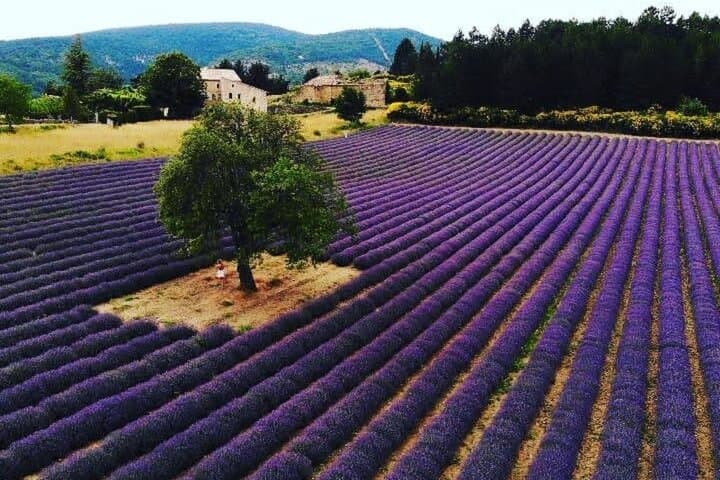
Morning light from Avignon slips across the plain and the air changes — a faint, sweet throb of lavender that grows stronger as the minivan climbs toward the Luberon hills. Guests follow a ribbon of country road past stone walls and cypress until rows of purple plants press at the horizon; bees hum like tiny motors, crowding the blooms.
Morning light from Avignon slips across the plain and the air changes — a faint, sweet throb of lavender that grows stronger as the minivan climbs toward the Luberon hills. Guests follow a ribbon of country road past stone walls and cypress until rows of purple plants press at the horizon; bees hum like tiny motors, crowding the blooms.
This route threads through Provence’s agricultural history: the limestone soils and sunny exposure that favor Lavandula angustifolia, the distilleries that shaped local economies, and hamlets that rose on strategic hilltops in medieval times. Geology here is visible — benches of creamy limestone, terraced fields, and shallow valleys that channel mistral winds, which dry the herbs and concentrate their oils.
On this full-day trip you’ll visit the Lavender Museum at Le Coustellet to see traditional distillation and stop in classic Luberon villages — places where stone squares and narrow lanes recall rural Provençal life. The pace is easy: short walks through fields, museum time, and photo stops at viewpoints.
Practicalities matter. Tours run June–July for peak bloom; shoulder seasons offer quieter roads but fewer flowers. Private transport and bottled water are standard; if mobility is limited, advise the operator in advance — minivans can have high steps. Respect planted rows: stay on paths, and buy from local distillers when possible to support conservation.
Expect eight hours, gentle walking, big vistas, and a sensory crash course in why Provence’s lavender remains both an industry and an emblem of place.