THE ADVENTURE COLLECTIVE® · Independent discovery and booking for outdoor travel

Start before sunrise from Antalya to catch lavender fields in full bloom and end the day at Lake Salda’s powdery white shores. This full-day trip blends floral culture, small-scale distillation, and one of Turkey’s most photogenic tectonic lakes.
Start before sunrise from Antalya to catch lavender fields in full bloom and end the day at Lake Salda’s powdery white shores. This full-day trip blends floral culture, small-scale distillation, and one of Turkey’s most photogenic tectonic lakes.
Before dawn the minibus slips out of Antalya and the road opens toward the high plains, pines sliding past like shutters. By mid-morning the air changes—anise-sweet and heady—lavender fields roll under a clean Anatolian sky, rows so regular they feel engineered for the camera. Travelers step into violet lanes, the stems brushing sleeves, while bees hum a steady, busy percussion.
Verified experiences and guided adventures in the surrounding area.
Operated by TURONTIME · Yeşilova, Burdur
Before dawn the minibus slips out of Antalya and the road opens toward the high plains, pines sliding past like shutters. By mid-morning the air changes—anise-sweet and heady—lavender fields roll under a clean Anatolian sky, rows so regular they feel engineered for the camera. Travelers step into violet lanes, the stems brushing sleeves, while bees hum a steady, busy percussion.
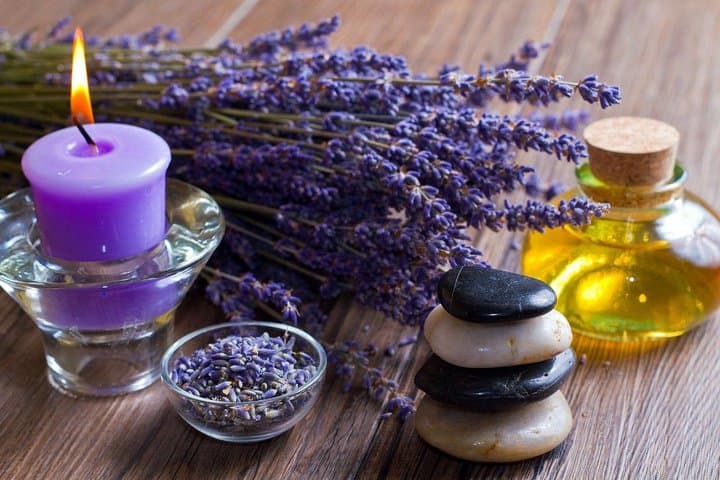
This route threads two distinct stories of western Anatolia: the agricultural culture of Isparta—famed for roses and lavender—and the limestone and magnesite geology that makes Lake Salda exceptional. Kuşak village grows lavender in red soil once shaped by tectonic uplift; farmers have distilled scents here for generations and small cooperatives sell honey, oil and sachets made on-site. Later the landscape opens to Salda, a tectonic basin whose crystalline waters and white mineral shorelines shift color with the sun. Locals call it the Maldives of Turkey for the pale, almost powdery beaches and startling turquoise shallow bays.
Practical edge: this is a full-day outing (early start, long drives between stops) with easy walking on farm paths and beach sand. Bring a swimsuit, quick-dry towel and sun protection; shoes that handle both dusty lanes and mineral sands are useful. Expect photo stops, a factory visit explaining lavender distillation, and 1–2 hours at Salda for walking or swimming. Respect fenced restoration zones on the shoreline—some white crusts are fragile mineral deposits—and carry water for the midday heat. Timing your visit in late spring or early summer gets peak bloom and warm water for a dip.
easy.
10 hours.
Suitable for most fitness levels; involves short flat walks and standing for photo stops.
Expect about 2.5–3.5 hours each way depending on traffic and route; the tour is a full-day outing.
Yes—swimming is permitted in designated areas, though some shoreline zones are protected for fragile mineral formations and should not be disturbed.
Yes—the tour usually includes a visit to a local distillery or cooperative where you can purchase honey, oil and sachets directly from producers.
Generally yes—walking is easy and the itinerary accommodates families, but bring sun protection and snacks for young children.
Isparta province has a long tradition of perfumery and small-scale distillation; lavender cultivation expanded in the 20th century as part of regional aromatic agriculture.
Lake Salda’s white magnesite shores are fragile—visitors should avoid walking on delicate crusts and follow local signage to protect mineral formations and freshwater quality.
TURONTIME operates guided outdoor trips and adventures with an emphasis on safety, stewardship, and memorable experiences.
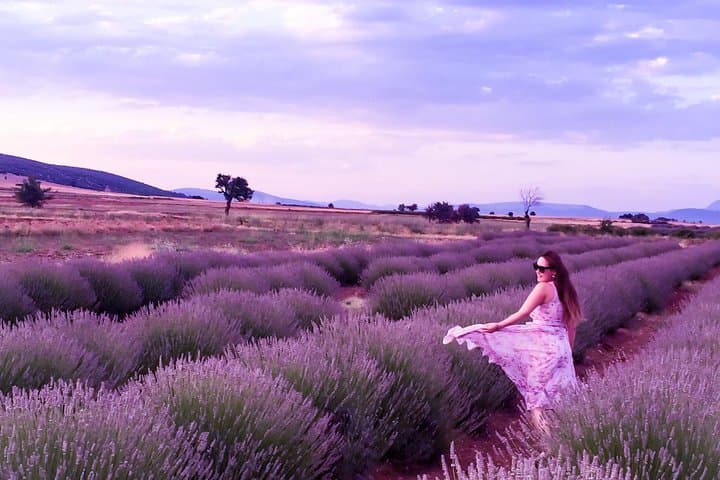
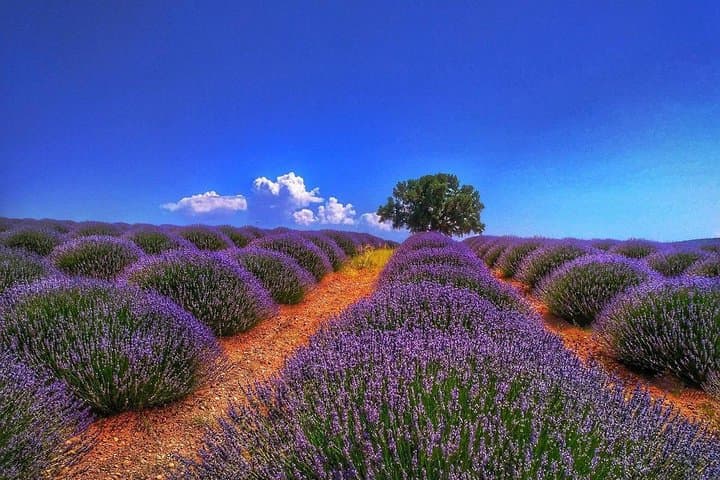
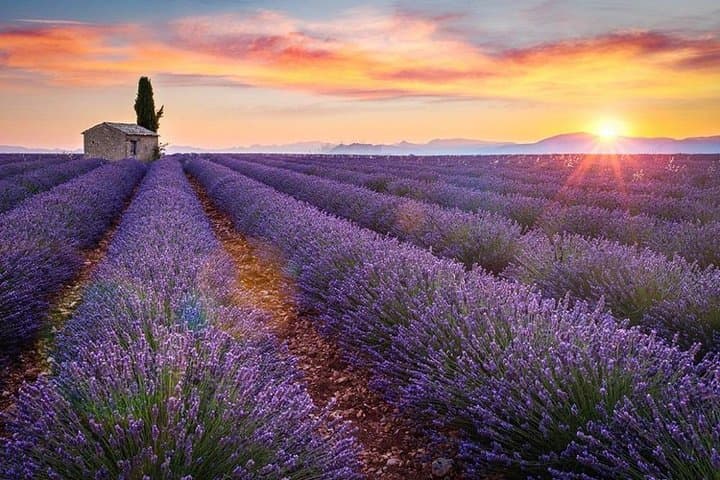
Before dawn the minibus slips out of Antalya and the road opens toward the high plains, pines sliding past like shutters. By mid-morning the air changes—anise-sweet and heady—lavender fields roll under a clean Anatolian sky, rows so regular they feel engineered for the camera. Travelers step into violet lanes, the stems brushing sleeves, while bees hum a steady, busy percussion.
Before dawn the minibus slips out of Antalya and the road opens toward the high plains, pines sliding past like shutters. By mid-morning the air changes—anise-sweet and heady—lavender fields roll under a clean Anatolian sky, rows so regular they feel engineered for the camera. Travelers step into violet lanes, the stems brushing sleeves, while bees hum a steady, busy percussion.
This route threads two distinct stories of western Anatolia: the agricultural culture of Isparta—famed for roses and lavender—and the limestone and magnesite geology that makes Lake Salda exceptional. Kuşak village grows lavender in red soil once shaped by tectonic uplift; farmers have distilled scents here for generations and small cooperatives sell honey, oil and sachets made on-site. Later the landscape opens to Salda, a tectonic basin whose crystalline waters and white mineral shorelines shift color with the sun. Locals call it the Maldives of Turkey for the pale, almost powdery beaches and startling turquoise shallow bays.
Practical edge: this is a full-day outing (early start, long drives between stops) with easy walking on farm paths and beach sand. Bring a swimsuit, quick-dry towel and sun protection; shoes that handle both dusty lanes and mineral sands are useful. Expect photo stops, a factory visit explaining lavender distillation, and 1–2 hours at Salda for walking or swimming. Respect fenced restoration zones on the shoreline—some white crusts are fragile mineral deposits—and carry water for the midday heat. Timing your visit in late spring or early summer gets peak bloom and warm water for a dip.