THE ADVENTURE COLLECTIVE® · Independent discovery and booking for outdoor travel

Spend a full day among lavender fields, hilltop villages and ochre cliffs of the Luberon. This road-based tour visits Sénanque Abbey, Gordes, Roussillon and Plateau des Claparèdes with a local-produce picnic.
Spend a full day among lavender fields, hilltop villages and ochre cliffs of the Luberon. This road-based tour visits Sénanque Abbey, Gordes, Roussillon and Plateau des Claparèdes with a local-produce picnic.
Morning light cuts across rows of purple; the air smells of resin and sun-warmed earth as your group steps off the minivan into the Abbey of Sénanque's fields. The abbey's stone façade sits cool behind the blooms while cicadas begin their afternoon rhythm, and the valley opens toward limestone ridges that keep time with centuries of farming.
Verified experiences and guided adventures in the surrounding area.
Operated by Ventourisme · Gordes, Provence-Alpes-Côte d'Azur
Morning light cuts across rows of purple; the air smells of resin and sun-warmed earth as your group steps off the minivan into the Abbey of Sénanque's fields. The abbey's stone façade sits cool behind the blooms while cicadas begin their afternoon rhythm, and the valley opens toward limestone ridges that keep time with centuries of farming.
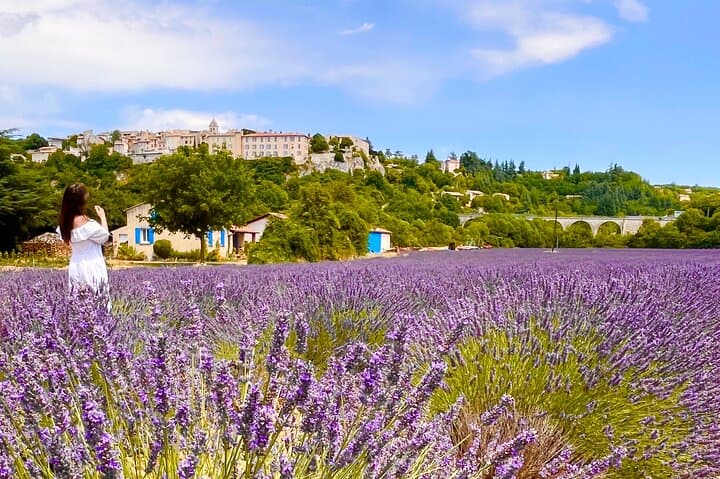
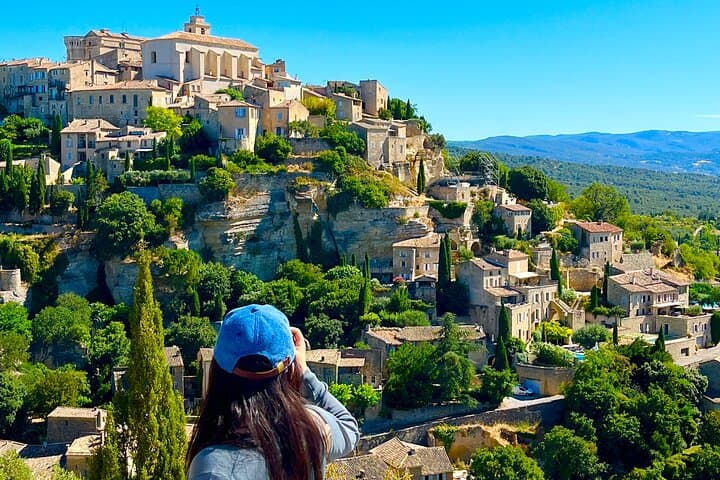
The Luberon mixes human history with folded geology: limestone plateaus and ochre-rich clay created the cliffs of Roussillon and terraces that supported olive groves and lavender since medieval times. Gordes and Roussillon are living examples—cobblestone streets, stone houses and ochre quarries that shaped local color and economy. The region’s lavender harvest and small farms remain central to village life, which you’ll taste at the picnic of local cheeses, tapenades and fruit.
Practically speaking, this is a full-day, road-based excursion (8–9 hours) that combines short walks in fields and through village streets with several photo stops. Expect uneven cobbles in Gordes and ochre dust underfoot in Roussillon; wear sturdy shoes and sun protection. Peak lavender bloom is usually mid-June to early July, so timing matters for that classic purple panorama. Bring water, respect signage (fields are private and fragile), and plan for crowds at the Abbey and hilltop viewpoints during July. The route returns to Avignon by evening, leaving time to explore more of Provence or a quiet dinner after a day spent moving between scent, stone and light.
easy.
8–9 hours.
Suitable for people comfortable with short walks (10–30 minutes) on uneven ground and standing for photo stops; no sustained hiking required.
Lavender typically blooms from mid-June through early July; exact timing varies with elevation and weather—peak color often occurs in late June to early July.
You can photograph from public viewpoints and edges of fields, but entering private fields or picking lavender is not allowed—follow guide instructions and posted signs.
The tour has short walks and cobbled streets; it's broadly suitable for families, but people with limited mobility may find some village streets and field edges uneven—check with the operator before booking.
Guides commonly speak French and English on shared tours; the included picnic uses local produce—inform the operator of allergies or dietary needs at booking.
The 12th‑century Abbaye de Sénanque is a Cistercian monastery whose architecture and agricultural layout influenced rural life; Roussillon’s ochre quarries were industrially important in the 18th–19th centuries.
Lavender fields are cultivated and fragile—stay on paths, do not pick flowers, and support local producers by buying products made in the Luberon.
Ventourisme operates guided outdoor trips and adventures with an emphasis on safety, stewardship, and memorable experiences.
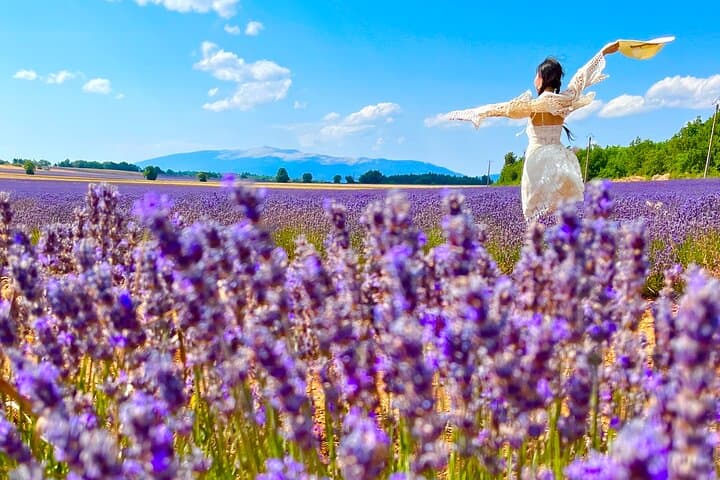
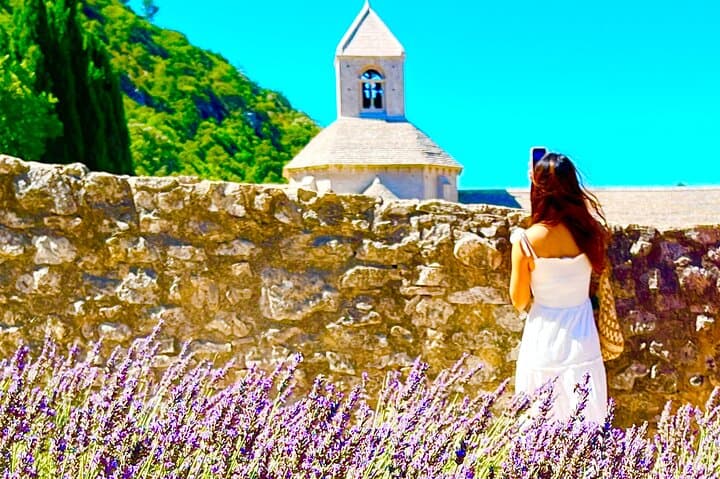
Morning light cuts across rows of purple; the air smells of resin and sun-warmed earth as your group steps off the minivan into the Abbey of Sénanque's fields. The abbey's stone façade sits cool behind the blooms while cicadas begin their afternoon rhythm, and the valley opens toward limestone ridges that keep time with centuries of farming.
Morning light cuts across rows of purple; the air smells of resin and sun-warmed earth as your group steps off the minivan into the Abbey of Sénanque's fields. The abbey's stone façade sits cool behind the blooms while cicadas begin their afternoon rhythm, and the valley opens toward limestone ridges that keep time with centuries of farming.
The Luberon mixes human history with folded geology: limestone plateaus and ochre-rich clay created the cliffs of Roussillon and terraces that supported olive groves and lavender since medieval times. Gordes and Roussillon are living examples—cobblestone streets, stone houses and ochre quarries that shaped local color and economy. The region’s lavender harvest and small farms remain central to village life, which you’ll taste at the picnic of local cheeses, tapenades and fruit.
Practically speaking, this is a full-day, road-based excursion (8–9 hours) that combines short walks in fields and through village streets with several photo stops. Expect uneven cobbles in Gordes and ochre dust underfoot in Roussillon; wear sturdy shoes and sun protection. Peak lavender bloom is usually mid-June to early July, so timing matters for that classic purple panorama. Bring water, respect signage (fields are private and fragile), and plan for crowds at the Abbey and hilltop viewpoints during July. The route returns to Avignon by evening, leaving time to explore more of Provence or a quiet dinner after a day spent moving between scent, stone and light.