THE ADVENTURE COLLECTIVE® · Independent discovery and booking for outdoor travel

Walk through waves of lavender on the Valensole plateau with a local guide who leads private stops at distilleries and viewpoints. This five‑hour tour from Avignon blends hands‑on perfume craft, rural history, and reliable photo opportunities.
Walk through waves of lavender on the Valensole plateau with a local guide who leads private stops at distilleries and viewpoints. This five‑hour tour from Avignon blends hands‑on perfume craft, rural history, and reliable photo opportunities.
You step from the air‑conditioned van into a purple ocean: row upon row of lavender rippling across a sunbaked plateau while bees thread the scent into the warm Provençal breeze.
Verified experiences and guided adventures in the surrounding area.
Operated by Gentle Provence · Valensole, Provence-Alpes-Côte d'Azur
You step from the air‑conditioned van into a purple ocean: row upon row of lavender rippling across a sunbaked plateau while bees thread the scent into the warm Provençal breeze.
Valensole’s plateau, carved from limestone and drained by ancient streams, has been farmed for lavender and wheat for generations. The region’s relationship with lavender deepened in the 19th century as perfumers in nearby Grasse and Marseille demanded oil; today small family distilleries still extract essential oil the old way.
Culturally, lavender is both crop and craft — field harvests set the rhythm of summer, local markets sell bouquets and hydrosols, and village fêtes celebrate the bloom. Geology matters here: thin soils and sunny, windy exposures on the plateau concentrate oil in the flowers, which is why fields cluster on gentle slopes and flat expanses alike.
Practical guidance: plan for early morning or late afternoon light—midday is hot and harsh for photos. Stay on paths; trampling reduces future yields and disturbs pollinators. Wear sturdy shoes (fields can be dusty and uneven), bring water, and carry a light layer for sudden winds. If you visit a distillery, ask how they extract oil — demonstrations usually include a brief tour and a shop for samples.
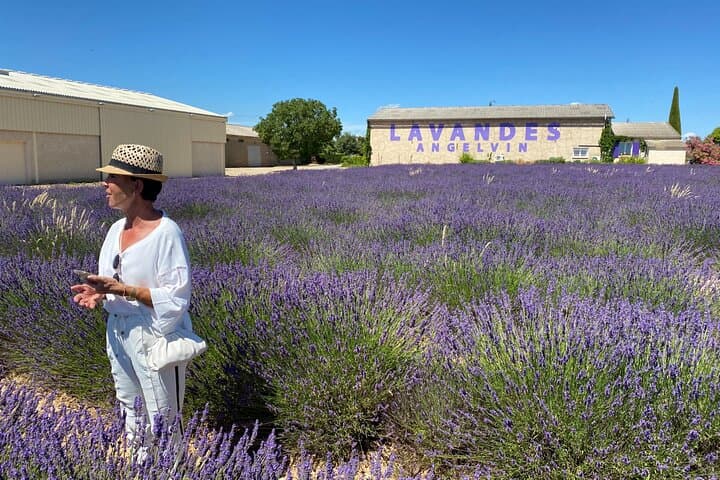
A private tour from Avignon typically includes multiple stops: panoramic viewpoints on the D roads, a family-run distillery showing production, and photo-friendly fields where you can walk between rows. Expect gentle walking, plenty of photo ops, and the steady, buzzy company of bees that are as much a part of the landscape as the lavender itself.
easy.
5 hours.
Suitable for most fitness levels; expect short walks on uneven, dusty field tracks and gentle standing during distillery visits.
Peak bloom typically runs late June through mid‑July on the Valensole plateau, but exact timing varies with elevation and seasonal weather—plan a flexible window if possible.
Most departures are from Avignon or nearby pickup points; the tour returns to the arranged drop‑off in Avignon (confirm pickup during booking).
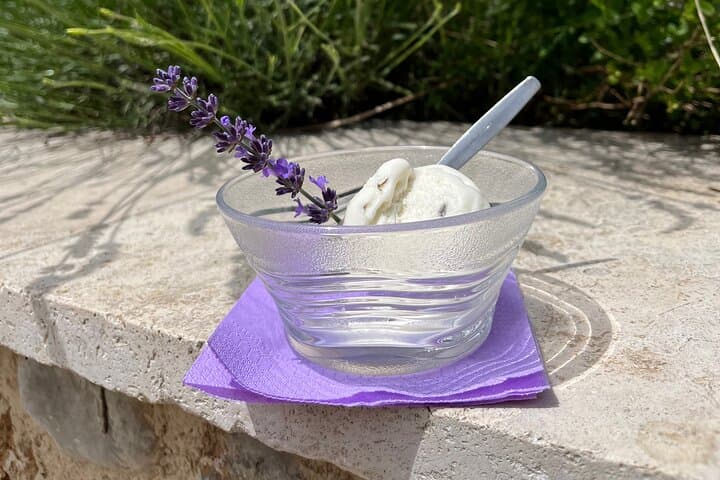
Yes—visits usually include a stop at a small distillery or farm shop where essential oils, hydrosols, and sachets are available for purchase.
The tour is described as easy but fields can be uneven; contact the operator ahead to arrange accessible stops and vehicle drop‑offs near viewpoints.
Lavender has been cultivated commercially in Provence since the 19th century when perfumers in Grasse increased regional demand; Valensole became synonymous with large, oil‑rich fields.
Stick to paths and avoid picking—support local distillers by buying products rather than harvesting, and be mindful of bee habitat while photographing.
Gentle Provence operates guided outdoor trips and adventures with an emphasis on safety, stewardship, and memorable experiences.
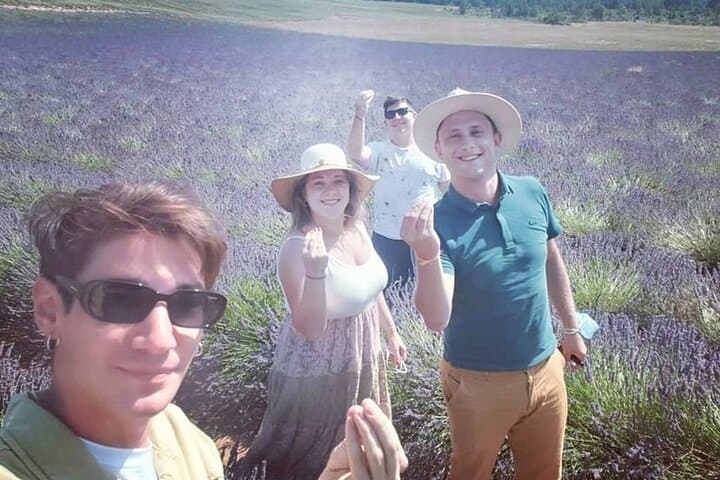
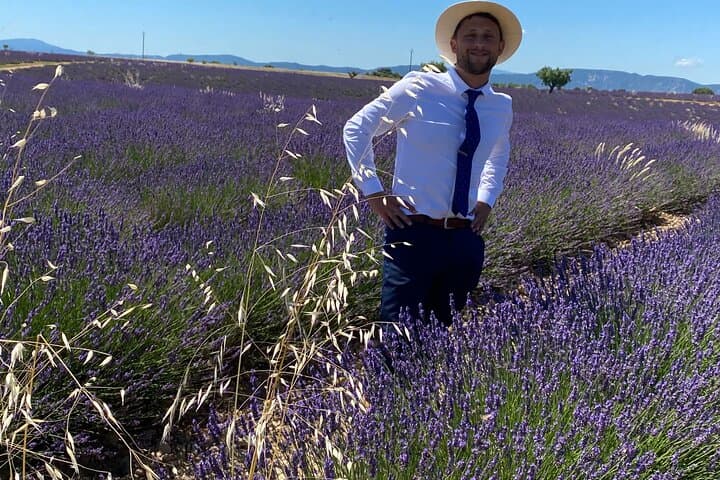
You step from the air‑conditioned van into a purple ocean: row upon row of lavender rippling across a sunbaked plateau while bees thread the scent into the warm Provençal breeze.
You step from the air‑conditioned van into a purple ocean: row upon row of lavender rippling across a sunbaked plateau while bees thread the scent into the warm Provençal breeze.
Valensole’s plateau, carved from limestone and drained by ancient streams, has been farmed for lavender and wheat for generations. The region’s relationship with lavender deepened in the 19th century as perfumers in nearby Grasse and Marseille demanded oil; today small family distilleries still extract essential oil the old way.
Culturally, lavender is both crop and craft — field harvests set the rhythm of summer, local markets sell bouquets and hydrosols, and village fêtes celebrate the bloom. Geology matters here: thin soils and sunny, windy exposures on the plateau concentrate oil in the flowers, which is why fields cluster on gentle slopes and flat expanses alike.
Practical guidance: plan for early morning or late afternoon light—midday is hot and harsh for photos. Stay on paths; trampling reduces future yields and disturbs pollinators. Wear sturdy shoes (fields can be dusty and uneven), bring water, and carry a light layer for sudden winds. If you visit a distillery, ask how they extract oil — demonstrations usually include a brief tour and a shop for samples.
A private tour from Avignon typically includes multiple stops: panoramic viewpoints on the D roads, a family-run distillery showing production, and photo-friendly fields where you can walk between rows. Expect gentle walking, plenty of photo ops, and the steady, buzzy company of bees that are as much a part of the landscape as the lavender itself.