THE ADVENTURE COLLECTIVE® · Independent discovery and booking for outdoor travel

Walk two hours through Savannah’s 67-acre Laurel Grove Cemetery to see Victorian mausoleums, Civil War sections, and the graves of local luminaries. This guided tour blends material history, women’s stories, and ornate funerary art with practical tips for visitors.
Walk two hours through Savannah’s 67-acre Laurel Grove Cemetery to see Victorian mausoleums, Civil War sections, and the graves of local luminaries. This guided tour blends material history, women’s stories, and ornate funerary art with practical tips for visitors.
You step through a cast-iron gate and the city noise recedes into clipped bird calls and the scrape of shoes on gravel. Laurel Grove spreads across 67 acres of aged oaks and shaded lanes; statues watch from moss-dark pedestals while iron fences catch the light like quiet filigree.
Verified experiences and guided adventures in the surrounding area.
Operated by Bonaventure, Historic Savannah, Low Country & Private with Shannon Scott Tours · Savannah, Georgia
You step through a cast-iron gate and the city noise recedes into clipped bird calls and the scrape of shoes on gravel. Laurel Grove spreads across 67 acres of aged oaks and shaded lanes; statues watch from moss-dark pedestals while iron fences catch the light like quiet filigree.
Opened in the mid-19th century on former plantation land, Laurel Grove became a civic graveyard in 1853 and reflects Savannah’s layered past — Victorian funerary art, Civil War plots, a Stranger’s Lot, and sections for Jewish and African American burials. The cemetery’s mausoleums and ornate ironwork trace local industry, taste, and social change: shipbuilders, authors, and civic founders lie within alongside unmarked graves that tell a different story of the city.
Geology here is unshowy but clear: low coastal plain soils and live oaks that funnel shade and salt air through the grounds. Guides point out funerary symbolism — broken columns, clasped hands — while recounting stories of Juliette Gordon Low, James Pierpont, and women whose contributions shaped Savannah’s civic life.
Practically, expect two hours of easy-to-moderate walking on uneven paths; much of the tour avoids heavy crowds and feels private. Come early for softer light and cooler temperatures, wear supportive shoes, and bring water — benches are sparse. Photography is welcome but be mindful of graves and signage.
Laurel Grove rewards slow attention: iron fences daring you to read their names, monuments that push history forward with every inscription. Come ready to listen, learn, and move respectfully through a living archive of Savannah’s past.
moderate.
2 hours.
Light to moderate fitness; able to walk roughly 1–2 miles on uneven ground and gentle slopes
Some paths and main loops are accessible and the tour notes indicate wheelchair access, but portions may be uneven; contact the operator to confirm specific accessibility needs.
Yes, photography is allowed, but remain respectful of gravesites, avoid obstructing the group, and follow any guide instructions.
The guided tour runs about two hours over roughly 1–2 miles on mixed terrain — mostly walking paths, gravel, and grass; expect mild slopes and uneven surfaces.
Service animals are permitted; ordinary pets are generally not allowed to preserve the site and out of respect for other visitors.
Founded as a municipal cemetery in 1853 on former plantation land, Laurel Grove records Savannah’s Victorian era, Civil War burials, and the city’s evolving social fabric.
The cemetery is a protected historic landscape; visitors are encouraged to stay on paths, avoid disturbing monuments, and support preservation through donations or volunteer programs.
Bonaventure, Historic Savannah, Low Country & Private with Shannon Scott Tours operates guided outdoor trips and adventures with an emphasis on safety, stewardship, and memorable experiences.
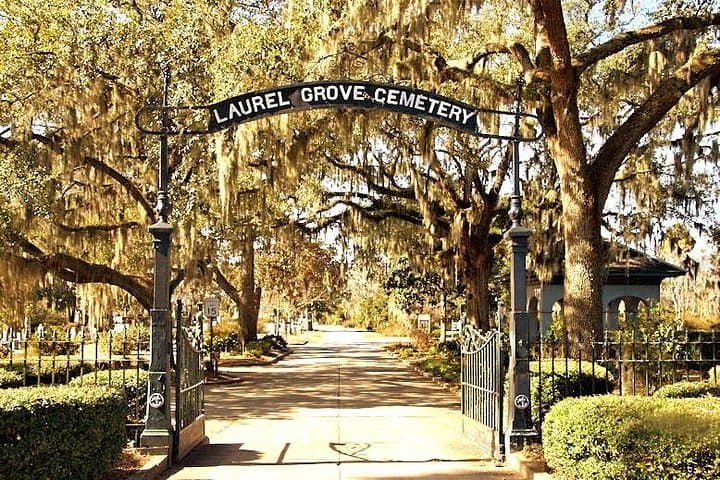
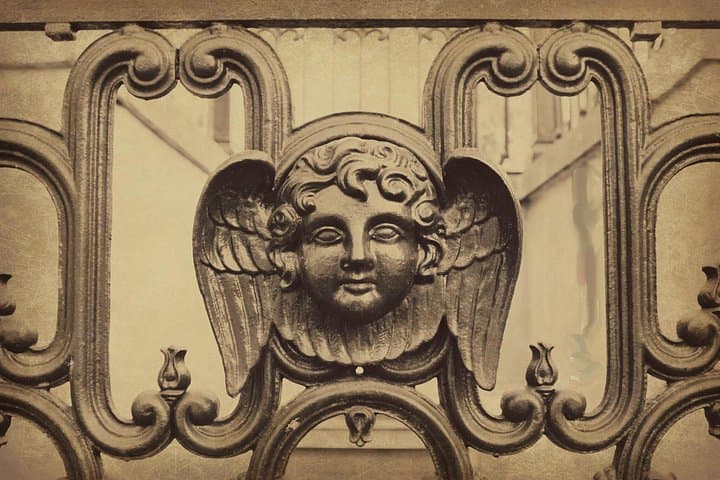
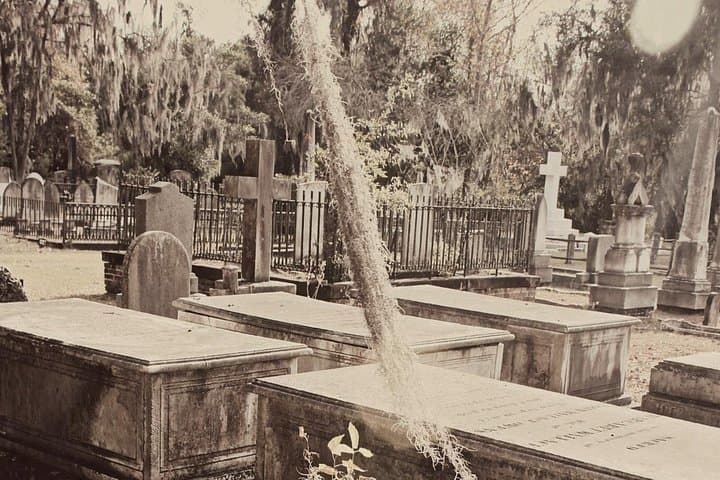
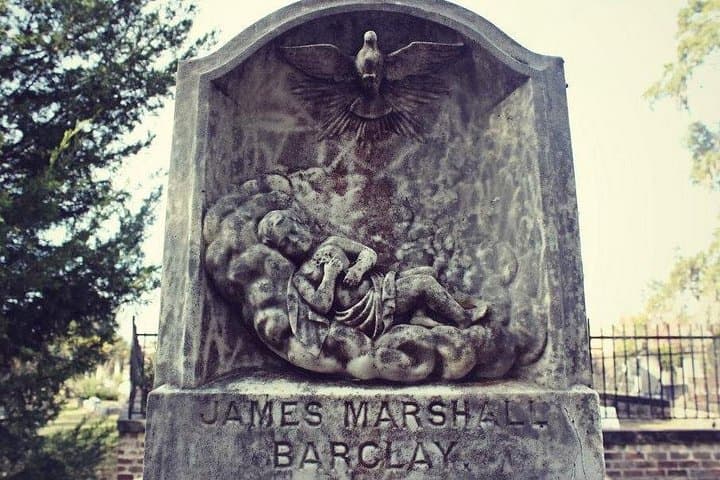
You step through a cast-iron gate and the city noise recedes into clipped bird calls and the scrape of shoes on gravel. Laurel Grove spreads across 67 acres of aged oaks and shaded lanes; statues watch from moss-dark pedestals while iron fences catch the light like quiet filigree.
You step through a cast-iron gate and the city noise recedes into clipped bird calls and the scrape of shoes on gravel. Laurel Grove spreads across 67 acres of aged oaks and shaded lanes; statues watch from moss-dark pedestals while iron fences catch the light like quiet filigree.
Opened in the mid-19th century on former plantation land, Laurel Grove became a civic graveyard in 1853 and reflects Savannah’s layered past — Victorian funerary art, Civil War plots, a Stranger’s Lot, and sections for Jewish and African American burials. The cemetery’s mausoleums and ornate ironwork trace local industry, taste, and social change: shipbuilders, authors, and civic founders lie within alongside unmarked graves that tell a different story of the city.
Geology here is unshowy but clear: low coastal plain soils and live oaks that funnel shade and salt air through the grounds. Guides point out funerary symbolism — broken columns, clasped hands — while recounting stories of Juliette Gordon Low, James Pierpont, and women whose contributions shaped Savannah’s civic life.
Practically, expect two hours of easy-to-moderate walking on uneven paths; much of the tour avoids heavy crowds and feels private. Come early for softer light and cooler temperatures, wear supportive shoes, and bring water — benches are sparse. Photography is welcome but be mindful of graves and signage.
Laurel Grove rewards slow attention: iron fences daring you to read their names, monuments that push history forward with every inscription. Come ready to listen, learn, and move respectfully through a living archive of Savannah’s past.