THE ADVENTURE COLLECTIVE® · Independent discovery and booking for outdoor travel

Travel from New Orleans to Laura Plantation for a guided mansion tour and a sobering look at original 1840s slave cabins. This half-day outing combines Creole history, riverfront landscapes, and practical tips for visiting responsibly.
Travel from New Orleans to Laura Plantation for a guided mansion tour and a sobering look at original 1840s slave cabins. This half-day outing combines Creole history, riverfront landscapes, and practical tips for visiting responsibly.
You step off the air-conditioned shuttle where the Mississippi River bends and the low-lying sugar fields stretch toward the horizon; live oaks crowd the river road and the air smells faintly of reed and river. The Laura Plantation sits on the old sugar parish, its clapboard profile and weathered slave cabins holding voices that the guided tour pulls into the present.
Verified experiences and guided adventures in the surrounding area.
Operated by CRESCENT CITY TOURS & TRANSPORTATION · Vacherie, Louisiana
You step off the air-conditioned shuttle where the Mississippi River bends and the low-lying sugar fields stretch toward the horizon; live oaks crowd the river road and the air smells faintly of reed and river. The Laura Plantation sits on the old sugar parish, its clapboard profile and weathered slave cabins holding voices that the guided tour pulls into the present.
Founded in 1805, Laura grew from a fledgling estate with seven captive workers to a large sugar operation that enslaved 186 people by the Civil War. Four original cabins from the 1840s remain; their rough-hewn floors and close quarters are visceral reminders of labor that built the Creole economy. Geologically, the ground here is part of the Mississippi alluvial plain—rich, flat soils that made sugarcane profitable and shaped plantation siting and drainage techniques still visible in drainage ditches and cypress stands.
Culturally, Laura offers a clear line to Creole language, cuisine, and music shaped by West African and Amerindian heritage; descendants of workers remained in the area for generations. The tour balances mansion history with honest interpretation of enslaved life, and the grounds’ quiet offers time to reflect.
Practically: the program includes transportation from New Orleans, a 1 hour 10 minute guided mansion tour plus self-guided grounds time, and a small gift shop. Wear sturdy shoes for uneven paths, bring sun protection and water, and plan for insect season in summer. Respect photography rules in sensitive areas and allow extra time to absorb the cabins and riverside views.
easy.
6–7 hours.
Minimal fitness required; able to walk on uneven ground for short periods and climb a few steps.
Yes—this product includes air-conditioned round-trip transportation from designated pickup points in New Orleans; check your booking for exact pickup details.
Travelers spend about two hours at Laura Plantation; the guided mansion tour lasts approximately 1 hour and 10 minutes, with additional time for self-guided grounds and the gift shop.
Infants and small children can ride in a stroller, but expect uneven terrain around historic cabins—a carrier may be easier for some sections.
Photography is generally allowed in outdoor and many interior areas but may be restricted in specific spaces—follow guide directions to preserve artifacts and respect interpretive guidelines.
Laura Plantation began in 1805 and expanded from seven enslaved people (six West Africans and one Amerindian) to 186 by the Civil War; four original slave cabins from the 1840s survive on the grounds.
The site focuses on preservation of fragile wooden structures and truthful interpretation; visitors should stick to paths and follow staff guidance to limit wear and protect archaeological resources.
CRESCENT CITY TOURS & TRANSPORTATION operates guided outdoor trips and adventures with an emphasis on safety, stewardship, and memorable experiences.
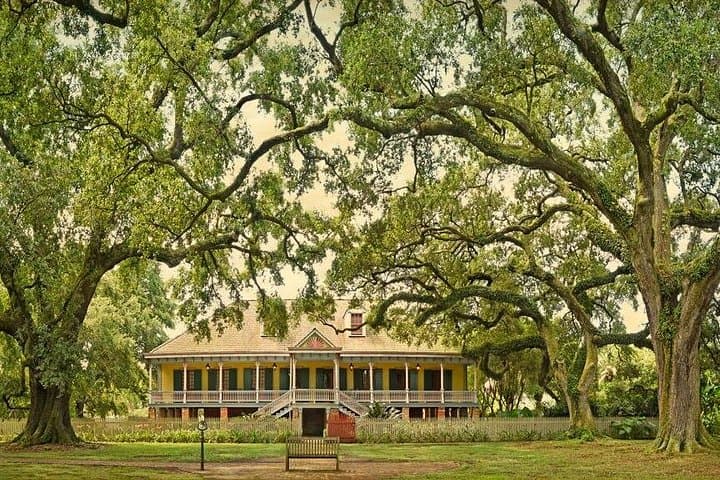
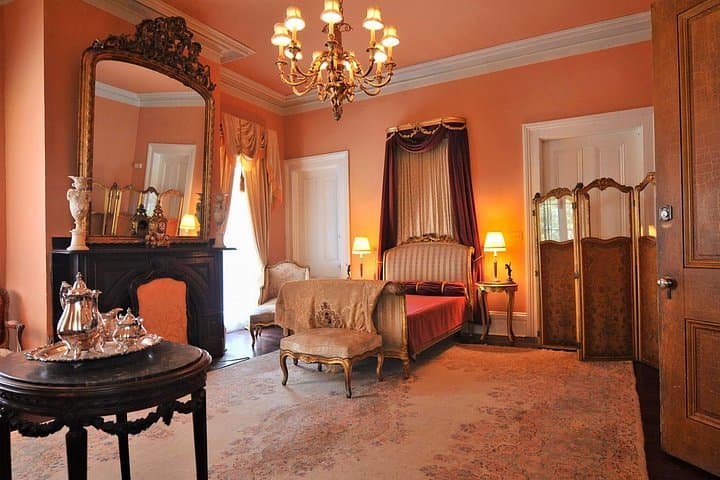
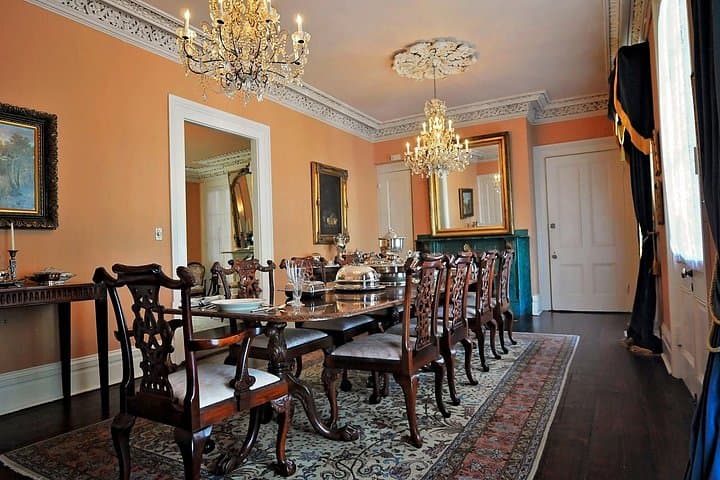
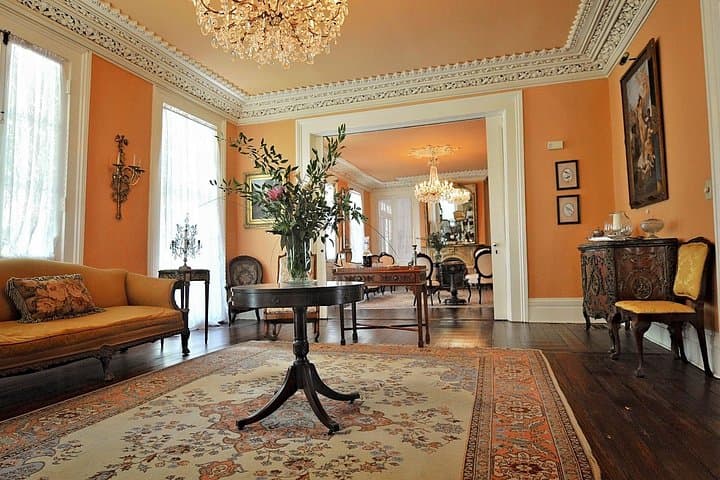
You step off the air-conditioned shuttle where the Mississippi River bends and the low-lying sugar fields stretch toward the horizon; live oaks crowd the river road and the air smells faintly of reed and river. The Laura Plantation sits on the old sugar parish, its clapboard profile and weathered slave cabins holding voices that the guided tour pulls into the present.
You step off the air-conditioned shuttle where the Mississippi River bends and the low-lying sugar fields stretch toward the horizon; live oaks crowd the river road and the air smells faintly of reed and river. The Laura Plantation sits on the old sugar parish, its clapboard profile and weathered slave cabins holding voices that the guided tour pulls into the present.
Founded in 1805, Laura grew from a fledgling estate with seven captive workers to a large sugar operation that enslaved 186 people by the Civil War. Four original cabins from the 1840s remain; their rough-hewn floors and close quarters are visceral reminders of labor that built the Creole economy. Geologically, the ground here is part of the Mississippi alluvial plain—rich, flat soils that made sugarcane profitable and shaped plantation siting and drainage techniques still visible in drainage ditches and cypress stands.
Culturally, Laura offers a clear line to Creole language, cuisine, and music shaped by West African and Amerindian heritage; descendants of workers remained in the area for generations. The tour balances mansion history with honest interpretation of enslaved life, and the grounds’ quiet offers time to reflect.
Practically: the program includes transportation from New Orleans, a 1 hour 10 minute guided mansion tour plus self-guided grounds time, and a small gift shop. Wear sturdy shoes for uneven paths, bring sun protection and water, and plan for insect season in summer. Respect photography rules in sensitive areas and allow extra time to absorb the cabins and riverside views.