THE ADVENTURE COLLECTIVE® · Independent discovery and booking for outdoor travel

Step from sand to reef in under ten minutes with a guided shore-based snorkel off Lauderdale-by-the-Sea. Perfect for first-time snorkelers and experienced observers alike, this 2.5-hour outing puts turtles, nurse sharks and abundant reef fish in clear, shallow water.
Step from sand to reef in under ten minutes with a guided shore-based snorkel off Lauderdale-by-the-Sea. Perfect for first-time snorkelers and experienced observers alike, this 2.5-hour outing puts turtles, nurse sharks and abundant reef fish in clear, shallow water.
Salt on your lips and a warm Atlantic breeze set the scene as you step off the sand at Lauderdale-by-the-Sea, mask in hand and fins ticking the rhythm of the shore. The reef sits just offshore, no boat required—a shallow ridge of coral and limestone holding schools of snapper, angelfish and the occasional turtle within arm’s reach. The water breathes around you; currents nudge and fingers of sunlight splice through the surface.
Verified experiences and guided adventures in the surrounding area.
Operated by Gold Coast Scuba · Lauderdale-by-the-Sea, Florida
Salt on your lips and a warm Atlantic breeze set the scene as you step off the sand at Lauderdale-by-the-Sea, mask in hand and fins ticking the rhythm of the shore. The reef sits just offshore, no boat required—a shallow ridge of coral and limestone holding schools of snapper, angelfish and the occasional turtle within arm’s reach. The water breathes around you; currents nudge and fingers of sunlight splice through the surface.
This stretch of coastline is the northern edge of the Florida Reef Tract, shaped by Pleistocene limestone and living corals that have built on ancient shoals. Lauderdale-by-the-Sea grew from a 20th-century fishing and tourism outpost whose small-village character still anchors the pier and storefronts on Commercial Boulevard. Local dive culture runs deep: small shops, knowledgeable guides, and community efforts to monitor reef health.
Practically, expect a well-run 2.5-hour activity: meet at the dive shop on Commercial Blvd for gear fitting, a short beach briefing, then swim out to a reef sitting around 10 feet deep. The standard snorkel includes mask, fins and guide; upgrade to the BLU3 system to breathe submerged without heavy tanks after a short online briefing and basic swim demonstration. Visibility is best on calm mornings; keep reef-safe sunscreen on, stay with the guide, and never touch coral or chase wildlife. Bring a towel, a spare dry bag, and a sense of patience—marine life moves on its own time. This is an accessible, hands-on way to read the reef up close and understand why local stewards push for cleaner water and protected habitat.
easy.
2–3 hours.
Basic swimming ability and light aerobic fitness; suitable for most people comfortable in open water.
The reef sits roughly 8–12 feet below the surface in most spots—shallow enough for guided snorkel visibility and safe surface breathing.
Participants should be comfortable in open water and able to swim; children are welcome if they meet the operator’s age and swim requirements and are supervised by an adult.
BLU3 uses a battery-powered, tankless breathing device; you must watch a short training video, demonstrate basic comfort in the water, and follow the guide’s weight and mask brief before using it.
Trips are often canceled for rough seas or storms; the operator typically offers a full refund if canceled at least 24 hours before departure or for unsafe conditions.
The nearshore reef is part of the Florida Reef Tract; Lauderdale-by-the-Sea developed in the early 20th century as a fishing village that transitioned to small-scale dive and beach tourism.
Local dive shops and volunteer groups monitor coral health and encourage reef-safe practices—avoid touching coral, don’t feed wildlife, and use biodegradable sunscreen to reduce impact.
Gold Coast Scuba operates guided outdoor trips and adventures with an emphasis on safety, stewardship, and memorable experiences.
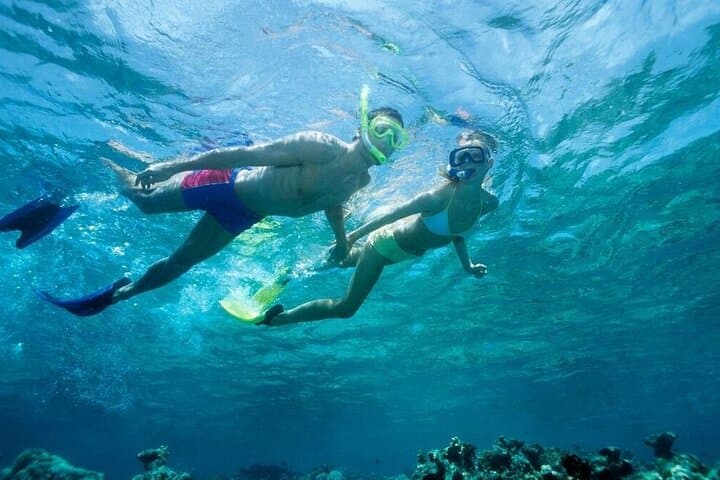
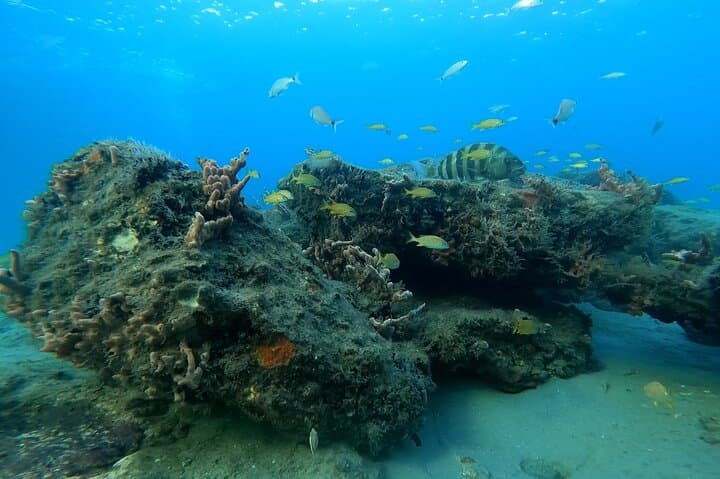
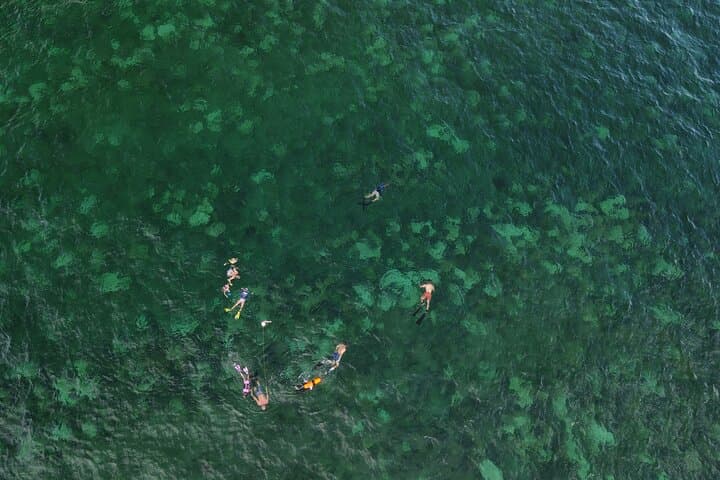
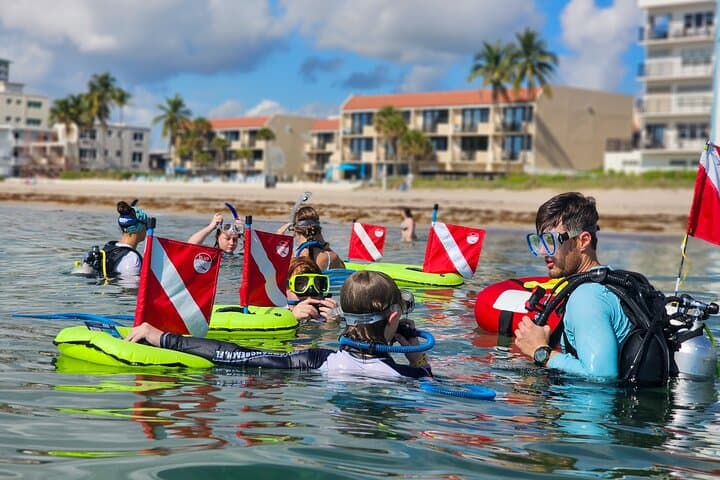
Salt on your lips and a warm Atlantic breeze set the scene as you step off the sand at Lauderdale-by-the-Sea, mask in hand and fins ticking the rhythm of the shore. The reef sits just offshore, no boat required—a shallow ridge of coral and limestone holding schools of snapper, angelfish and the occasional turtle within arm’s reach. The water breathes around you; currents nudge and fingers of sunlight splice through the surface.
Salt on your lips and a warm Atlantic breeze set the scene as you step off the sand at Lauderdale-by-the-Sea, mask in hand and fins ticking the rhythm of the shore. The reef sits just offshore, no boat required—a shallow ridge of coral and limestone holding schools of snapper, angelfish and the occasional turtle within arm’s reach. The water breathes around you; currents nudge and fingers of sunlight splice through the surface.
This stretch of coastline is the northern edge of the Florida Reef Tract, shaped by Pleistocene limestone and living corals that have built on ancient shoals. Lauderdale-by-the-Sea grew from a 20th-century fishing and tourism outpost whose small-village character still anchors the pier and storefronts on Commercial Boulevard. Local dive culture runs deep: small shops, knowledgeable guides, and community efforts to monitor reef health.
Practically, expect a well-run 2.5-hour activity: meet at the dive shop on Commercial Blvd for gear fitting, a short beach briefing, then swim out to a reef sitting around 10 feet deep. The standard snorkel includes mask, fins and guide; upgrade to the BLU3 system to breathe submerged without heavy tanks after a short online briefing and basic swim demonstration. Visibility is best on calm mornings; keep reef-safe sunscreen on, stay with the guide, and never touch coral or chase wildlife. Bring a towel, a spare dry bag, and a sense of patience—marine life moves on its own time. This is an accessible, hands-on way to read the reef up close and understand why local stewards push for cleaner water and protected habitat.