THE ADVENTURE COLLECTIVE® · Independent discovery and booking for outdoor travel

Explore Paris’s Latin Quarter on a focused 2.5‑hour semi‑private walking tour that moves from Île de la Cité to the Luxembourg Gardens. Small groups and a professional guide bring Roman ruins, gothic façades and student culture to life while offering practical tips for navigating cobbles and crowds.
Explore Paris’s Latin Quarter on a focused 2.5‑hour semi‑private walking tour that moves from Île de la Cité to the Luxembourg Gardens. Small groups and a professional guide bring Roman ruins, gothic façades and student culture to life while offering practical tips for navigating cobbles and crowds.
Morning light slides across the Seine and the stones of Île de la Cité as a small group gathers at Cité metro exit. The guide sets the pace; cobbled streets, narrow alleys and university façades open up like chapters of the city’s history. Notre‑Dame’s exterior looms first—its carved stone and flying buttresses a reminder that Paris grew from a Roman outpost called Lutetia.
Verified experiences and guided adventures in the surrounding area.
Operated by Babylon Tours Paris · Paris, Île-de-France
Morning light slides across the Seine and the stones of Île de la Cité as a small group gathers at Cité metro exit. The guide sets the pace; cobbled streets, narrow alleys and university façades open up like chapters of the city’s history. Notre‑Dame’s exterior looms first—its carved stone and flying buttresses a reminder that Paris grew from a Roman outpost called Lutetia.
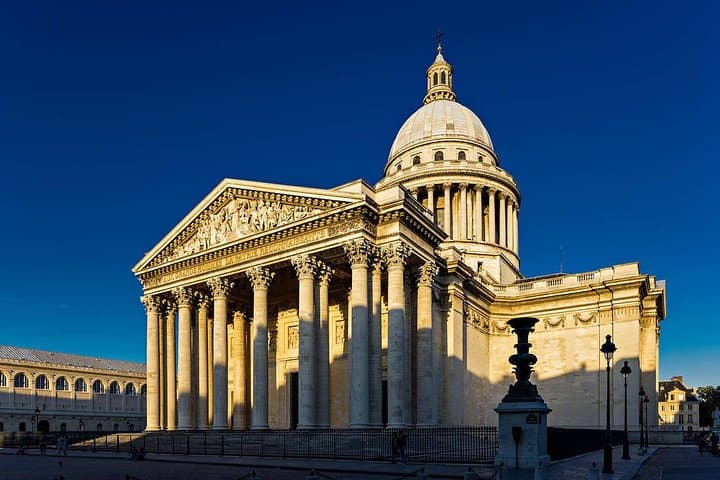
This 2.5‑hour route threads through centuries: the medieval streets around the Sorbonne, the Panthéon’s classical dome, Shakespeare and Company’s book-lined doorway, and the formal sweep of Luxembourg Garden. Beneath the tourist façades lie older layers—Gallo‑Roman baths at the Musée de Cluny and traces of Philip Augustus’s city wall—evidence of a river city built, rebuilt and repurposed.
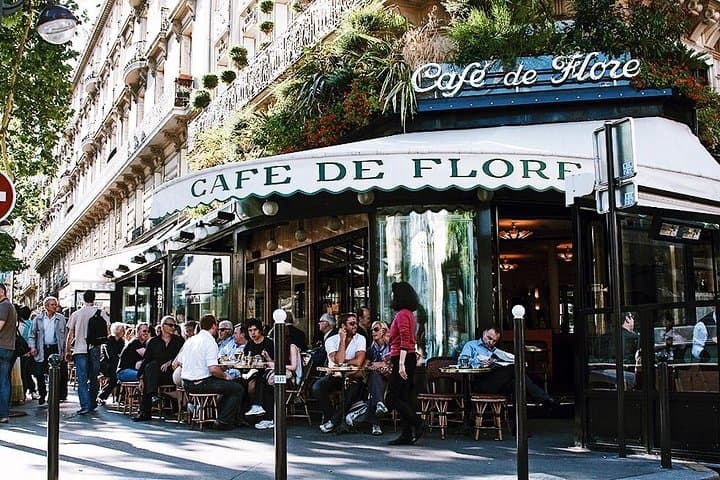
Culture here is palpable: students debating at terraces, the echo of the Lost Generation along the Seine, and public gardens that still follow early‑17th‑century plans. Geology is subtle—Parisian limestone quarried for façades, the Seine carrying sediments that shaped the city’s islands.
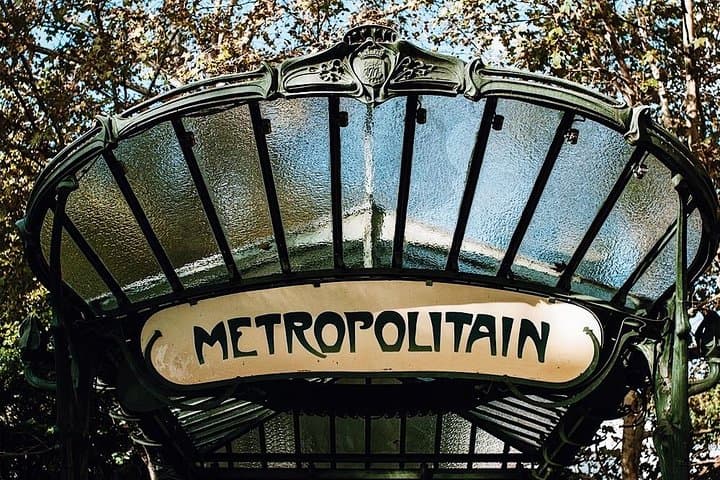
Practicalities: meet outside Cité metro (Line 4) and arrive 10 minutes early. Expect 2.5 hours on foot over mostly flat, cobbled surfaces; comfortable shoes and a light rain layer are sensible. The tour runs rain or shine and keeps groups small for personal attention. Security rules and restoration work sometimes restrict interiors—guides will explain alternatives so highlights like the Panthéon and Luxembourg Gardens remain part of the story.
For travelers who want history and walkable urban character, this semi‑private tour is a compact, informed way to read Paris street by street.
moderate.
2–3 hours.
Suitable for travelers who can walk continuously for 2–3 hours on mostly flat, uneven cobbles; moderate stamina recommended
No—this tour views Notre‑Dame from the exterior only; interior access depends on restoration status and separate admissions.
Meet outside the Cité metro exit (Line 4) next to the metro sign; guides ask you to arrive at least 10 minutes early.
Yes—infants and small children can use strollers, but expect some cobbled sections and steps in parts of the route.
The tour runs rain or shine; guides adapt the route and recommend weather‑appropriate clothing—full refunds are available if minimum numbers aren't met.
The Latin Quarter grew out of Lutetia; institutions like the Sorbonne and the Panthéon reflect centuries of scholarship and political change.
Visitors are asked to respect monuments and gardens, follow local signage during restoration projects, and avoid littering—low‑impact behavior helps protect historic fabric.
Babylon Tours Paris operates guided outdoor trips and adventures with an emphasis on safety, stewardship, and memorable experiences.
Morning light slides across the Seine and the stones of Île de la Cité as a small group gathers at Cité metro exit. The guide sets the pace; cobbled streets, narrow alleys and university façades open up like chapters of the city’s history. Notre‑Dame’s exterior looms first—its carved stone and flying buttresses a reminder that Paris grew from a Roman outpost called Lutetia.
Morning light slides across the Seine and the stones of Île de la Cité as a small group gathers at Cité metro exit. The guide sets the pace; cobbled streets, narrow alleys and university façades open up like chapters of the city’s history. Notre‑Dame’s exterior looms first—its carved stone and flying buttresses a reminder that Paris grew from a Roman outpost called Lutetia.
This 2.5‑hour route threads through centuries: the medieval streets around the Sorbonne, the Panthéon’s classical dome, Shakespeare and Company’s book-lined doorway, and the formal sweep of Luxembourg Garden. Beneath the tourist façades lie older layers—Gallo‑Roman baths at the Musée de Cluny and traces of Philip Augustus’s city wall—evidence of a river city built, rebuilt and repurposed.
Culture here is palpable: students debating at terraces, the echo of the Lost Generation along the Seine, and public gardens that still follow early‑17th‑century plans. Geology is subtle—Parisian limestone quarried for façades, the Seine carrying sediments that shaped the city’s islands.
Practicalities: meet outside Cité metro (Line 4) and arrive 10 minutes early. Expect 2.5 hours on foot over mostly flat, cobbled surfaces; comfortable shoes and a light rain layer are sensible. The tour runs rain or shine and keeps groups small for personal attention. Security rules and restoration work sometimes restrict interiors—guides will explain alternatives so highlights like the Panthéon and Luxembourg Gardens remain part of the story.
For travelers who want history and walkable urban character, this semi‑private tour is a compact, informed way to read Paris street by street.