THE ADVENTURE COLLECTIVE® · Independent discovery and booking for outdoor travel

Walk the Latin Quarter with a local guide and trade typical sightseeing for intimate streets, literary cafés, and quiet courtyards. This easy 2–3 hour tour highlights the Panthéon, Sorbonne, Luxembourg Gardens and secret passages most visitors miss.
Walk the Latin Quarter with a local guide and trade typical sightseeing for intimate streets, literary cafés, and quiet courtyards. This easy 2–3 hour tour highlights the Panthéon, Sorbonne, Luxembourg Gardens and secret passages most visitors miss.
Morning light slices between narrow façades as you step off Boulevard Saint‑Germain and into streets that have carried students, scribes, and revolutionaries for centuries. Cobbled alleys open onto green lawns; a church bell marks time while café terraces refill with espresso. The air carries ink, bread, and the steady murmur of the Seine nearby — a walking tour that reads like a city’s journal.
Verified experiences and guided adventures in the surrounding area.
Operated by Simply France tours · Paris, Île-de-France
Morning light slices between narrow façades as you step off Boulevard Saint‑Germain and into streets that have carried students, scribes, and revolutionaries for centuries. Cobbled alleys open onto green lawns; a church bell marks time while café terraces refill with espresso. The air carries ink, bread, and the steady murmur of the Seine nearby — a walking tour that reads like a city’s journal.
The Latin Quarter sits atop Paris’s deep history: Roman Lutetia’s grid beneath modern asphalt, medieval colleges that evolved into the Sorbonne, and Enlightenment debates that shaped modern thought. Geologically, the Left Bank is part of Paris’s soft sediment plain — easy walking but watch for uneven cobbles and occasional steps. Cultural life here is layered: abbey ruins and jazz clubs, bookshops with marginalia and university courtyards that still hum with argument.
Expect a 2–3 hour, roughly 2–4 km stroll visiting the Panthéon viewpoints, Jardin du Luxembourg’s stately alleys, Saint‑Germain‑des‑Prés’s cafés, and tucked passages like Cour du Commerce Saint‑André. Guides point out literary addresses, the Sorbonne’s cloisters, and local trivia that most maps miss.
Practical guidance: wear comfortable shoes for cobbles, carry a light rain layer, and bring a small bottle of water — fountains and cafés are abundant but queues form at peak times. Morning departures avoid crowds; keep valuables secured in busy squares. Use the Metro (Cluny‑La Sorbonne, Odéon, Luxembourg) for easy access and plan for short standing-room stops in gardens. The route is family-friendly and low-impact but full of detail for curious walkers ready to read the city as they move.
easy.
2–3 hours.
Suitable for most fitness levels; requires standing and walking on varied urban surfaces for up to 2.5 hours.
The tour lasts about 2.5 hours and covers roughly 2–4 km across mostly flat, cobbled streets with a few short steps.
Many streets are accessible but cobblestones and occasional steps can be challenging; contact the operator about specific accessibility needs.
This walking tour focuses on exteriors and neighborhoods; museum admissions are typically not included unless specified.
Guides commonly speak English and French; confirm language availability when booking if you need another language.
The Latin Quarter grew around Roman Lutetia and the medieval University of Paris; the Sorbonne’s influence shaped European learning for centuries.
Keep to paths in Luxembourg Gardens, avoid feeding wildlife, and support local businesses to ensure tourism benefits the neighborhood.
Simply France tours operates guided outdoor trips and adventures with an emphasis on safety, stewardship, and memorable experiences.
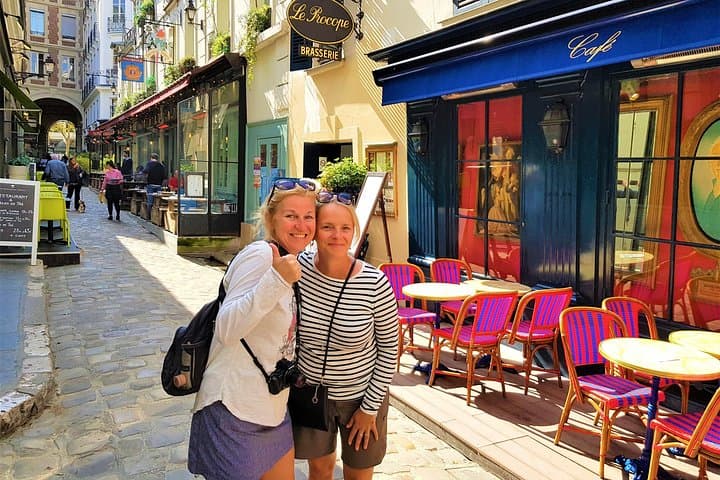
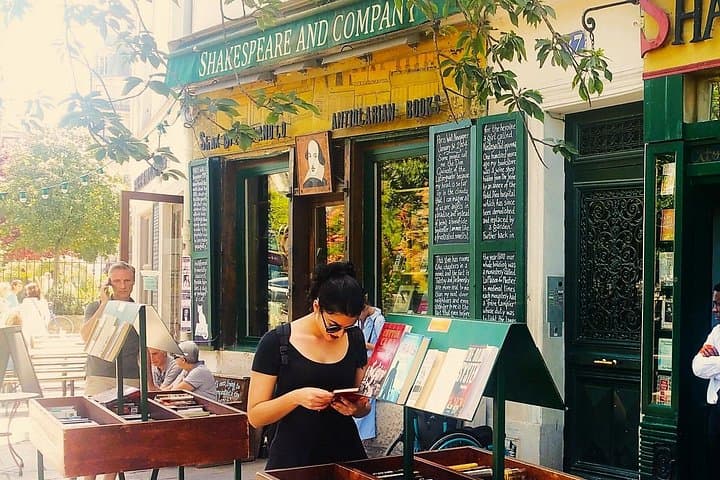

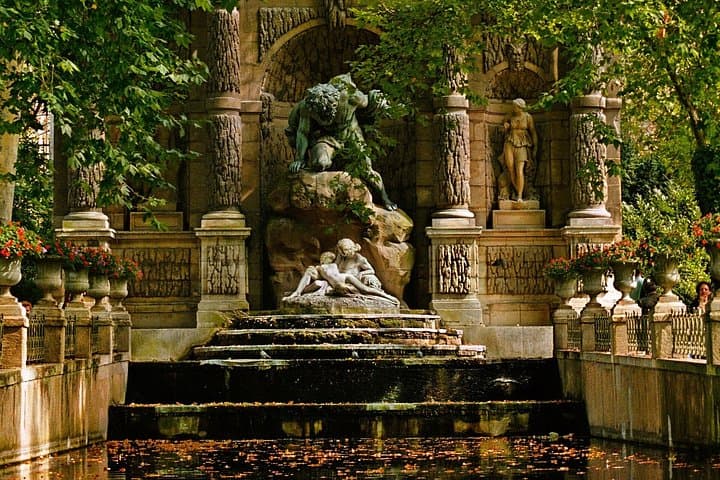
Morning light slices between narrow façades as you step off Boulevard Saint‑Germain and into streets that have carried students, scribes, and revolutionaries for centuries. Cobbled alleys open onto green lawns; a church bell marks time while café terraces refill with espresso. The air carries ink, bread, and the steady murmur of the Seine nearby — a walking tour that reads like a city’s journal.
Morning light slices between narrow façades as you step off Boulevard Saint‑Germain and into streets that have carried students, scribes, and revolutionaries for centuries. Cobbled alleys open onto green lawns; a church bell marks time while café terraces refill with espresso. The air carries ink, bread, and the steady murmur of the Seine nearby — a walking tour that reads like a city’s journal.
The Latin Quarter sits atop Paris’s deep history: Roman Lutetia’s grid beneath modern asphalt, medieval colleges that evolved into the Sorbonne, and Enlightenment debates that shaped modern thought. Geologically, the Left Bank is part of Paris’s soft sediment plain — easy walking but watch for uneven cobbles and occasional steps. Cultural life here is layered: abbey ruins and jazz clubs, bookshops with marginalia and university courtyards that still hum with argument.
Expect a 2–3 hour, roughly 2–4 km stroll visiting the Panthéon viewpoints, Jardin du Luxembourg’s stately alleys, Saint‑Germain‑des‑Prés’s cafés, and tucked passages like Cour du Commerce Saint‑André. Guides point out literary addresses, the Sorbonne’s cloisters, and local trivia that most maps miss.
Practical guidance: wear comfortable shoes for cobbles, carry a light rain layer, and bring a small bottle of water — fountains and cafés are abundant but queues form at peak times. Morning departures avoid crowds; keep valuables secured in busy squares. Use the Metro (Cluny‑La Sorbonne, Odéon, Luxembourg) for easy access and plan for short standing-room stops in gardens. The route is family-friendly and low-impact but full of detail for curious walkers ready to read the city as they move.