THE ADVENTURE COLLECTIVE® · Independent discovery and booking for outdoor travel

Join social media creator Kenny Bollwerk for a 90-minute after-dark walk through New York City’s alleys and backstreets to learn how infrastructure, waste, and human habits shape the lives of urban rats. Expect observation-based insights, blunt humor, and practical tips for coexistence.
Join social media creator Kenny Bollwerk for a 90-minute after-dark walk through New York City’s alleys and backstreets to learn how infrastructure, waste, and human habits shape the lives of urban rats. Expect observation-based insights, blunt humor, and practical tips for coexistence.
The streetlight hunches over a wet curb and something bright and quick slides between two overflowing trash bags — a small, confident silhouette that owns the back alley for a night. On Late Night Rat Tours, you walk New York at shoulder level with the city’s most adaptable residents, following Kenny Bollwerk as he points out where sewer lines, delivery schedules, and human habits hand the neighborhood to rodents.
Verified experiences and guided adventures in the surrounding area.
Operated by NYC RAT WALKING TOURS · New York, New York
The streetlight hunches over a wet curb and something bright and quick slides between two overflowing trash bags — a small, confident silhouette that owns the back alley for a night. On Late Night Rat Tours, you walk New York at shoulder level with the city’s most adaptable residents, following Kenny Bollwerk as he points out where sewer lines, delivery schedules, and human habits hand the neighborhood to rodents.
This is a modern urban natural history lesson as much as a comedy stroll. The tour threads through areas shaped by 19th- and 20th-century development: landfill and reclaimed coastline that changed drainage patterns, cast-iron buildings that create sheltered microhabitats, and the delivery economy that sets predictable food rhythms. You’ll hear how subway expansion, sanitation policy, and changing waste streams influence where rats feed and breed, and how New Yorkers respond — from traps and bait to changing trash infrastructure.
Expect close observation rather than handling: rats are quick, and the value of this tour is reading signs — droppings, gnawed wood, runs along baseboards — that say where life concentrates after dark. Locals appreciate the tour’s blend of humor, brittle city truth, and practical suggestions for reducing conflicts between people and wildlife.
Practical guidance: wear sturdy, closed-toe shoes and a light rain jacket; tours move on curbs and uneven sidewalks. Bring a small flashlight and layered clothing for cooler nights. The walk lasts about 90 minutes, often starting after sunset; check confirmation messages for meeting points that can vary. Be ready for strong smells, narrow alleys, and plenty of city attitude — this is urban ecology with a street-level edge.
moderate.
1.5 hours.
Moderate mobility; able to stand and walk on city sidewalks for 90 minutes, including brief stairs and curbs
Meeting location varies; you will receive an email and text the morning of the tour with exact details based on that night’s route.
The tour is suitable for curious older children but contains strong smells and narrow alleyways; it is not recommended for very young children or infants in crowded conditions.
The operator lists the experience as wheelchair accessible, but routes change nightly—contact the provider in advance to confirm accessibility for a specific date.
Yes—photography is allowed, but flash can disturb wildlife and other guests; be respectful in tight spaces and avoid shining lights directly at animals.
New York’s rat populations grew with dense 19th-century tenements, expanded shipping, and later subway construction; infrastructure choices created the pockets of habitat seen today.
Tour emphasizes coexistence and mitigation—reducing food waste and securing bins are practical measures that lower rodent-human conflicts and improve neighborhood sanitation.
NYC RAT WALKING TOURS operates guided outdoor trips and adventures with an emphasis on safety, stewardship, and memorable experiences.
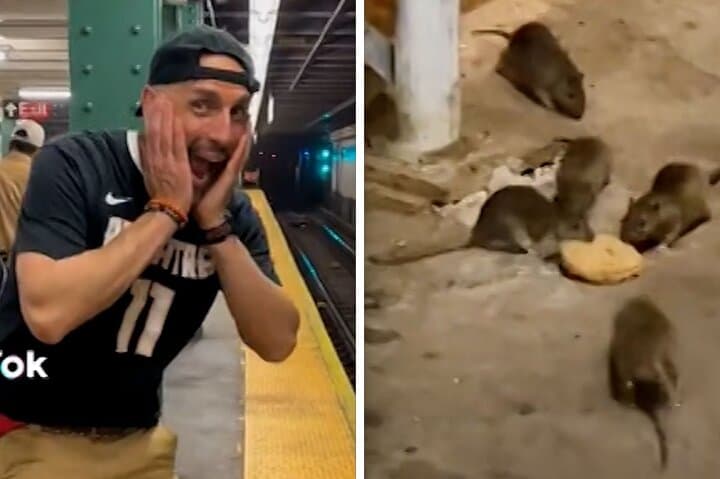
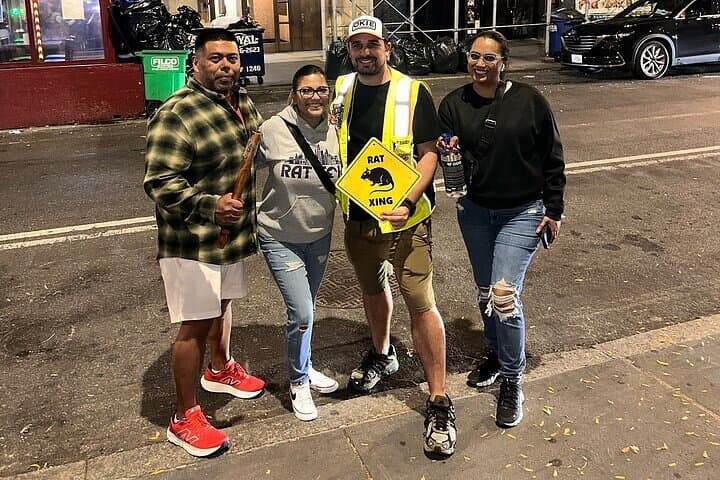
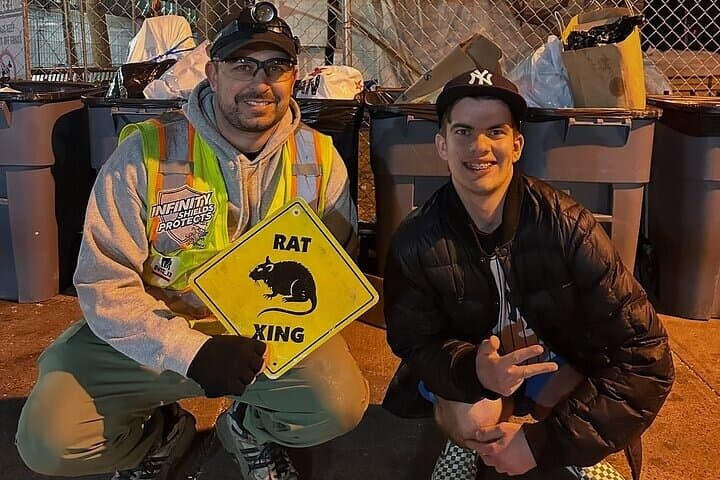
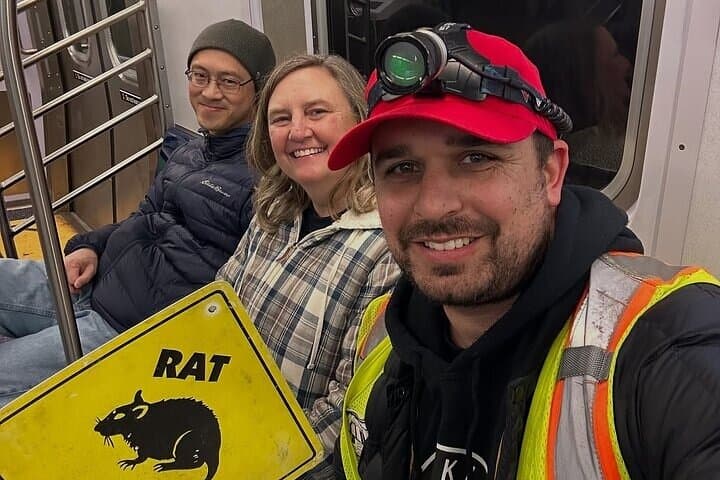
The streetlight hunches over a wet curb and something bright and quick slides between two overflowing trash bags — a small, confident silhouette that owns the back alley for a night. On Late Night Rat Tours, you walk New York at shoulder level with the city’s most adaptable residents, following Kenny Bollwerk as he points out where sewer lines, delivery schedules, and human habits hand the neighborhood to rodents.
The streetlight hunches over a wet curb and something bright and quick slides between two overflowing trash bags — a small, confident silhouette that owns the back alley for a night. On Late Night Rat Tours, you walk New York at shoulder level with the city’s most adaptable residents, following Kenny Bollwerk as he points out where sewer lines, delivery schedules, and human habits hand the neighborhood to rodents.
This is a modern urban natural history lesson as much as a comedy stroll. The tour threads through areas shaped by 19th- and 20th-century development: landfill and reclaimed coastline that changed drainage patterns, cast-iron buildings that create sheltered microhabitats, and the delivery economy that sets predictable food rhythms. You’ll hear how subway expansion, sanitation policy, and changing waste streams influence where rats feed and breed, and how New Yorkers respond — from traps and bait to changing trash infrastructure.
Expect close observation rather than handling: rats are quick, and the value of this tour is reading signs — droppings, gnawed wood, runs along baseboards — that say where life concentrates after dark. Locals appreciate the tour’s blend of humor, brittle city truth, and practical suggestions for reducing conflicts between people and wildlife.
Practical guidance: wear sturdy, closed-toe shoes and a light rain jacket; tours move on curbs and uneven sidewalks. Bring a small flashlight and layered clothing for cooler nights. The walk lasts about 90 minutes, often starting after sunset; check confirmation messages for meeting points that can vary. Be ready for strong smells, narrow alleys, and plenty of city attitude — this is urban ecology with a street-level edge.