THE ADVENTURE COLLECTIVE® · Independent discovery and booking for outdoor travel

Take a late-afternoon tuk-tuk from Kratie to Kampi and Phnom Sam Bok for a close look at the endangered Mekong dolphins and river scenery. This half-day excursion mixes wildlife watching with riverside culture and easy walks.
Take a late-afternoon tuk-tuk from Kratie to Kampi and Phnom Sam Bok for a close look at the endangered Mekong dolphins and river scenery. This half-day excursion mixes wildlife watching with riverside culture and easy walks.
The river breathes slow and wide as your tuk-tuk pulls toward the Mekong; sunlight slants across braided channels and the riverbank reeds stir like an audience waiting. By late afternoon the current seems to dare the water to move faster, and that’s when the Mekong dolphins—rare, quick, and curious—often rise in the river’s shallows, breaking the surface in small, gleaming arcs.
Verified experiences and guided adventures in the surrounding area.
Operated by freshwater dolphin day tour · Kratie, Kratie Province
The river breathes slow and wide as your tuk-tuk pulls toward the Mekong; sunlight slants across braided channels and the riverbank reeds stir like an audience waiting. By late afternoon the current seems to dare the water to move faster, and that’s when the Mekong dolphins—rare, quick, and curious—often rise in the river’s shallows, breaking the surface in small, gleaming arcs.
This half-day loop also takes you to Phnom Sam Bok, a low sandstone rise that offers sweeping views of the Mekong’s oxbows and the scattering of stilted houses. Kratie’s riverside was a modest French trading post in the 20th century and remains a working river town—boats, fishermen, and temple spires mark daily life. Geologically, the area is sediment-rich alluvium; the slow-moving current sculpts sandbars and channels that the dolphins use for feeding.
Expect quiet observation from riverbanks near Kampi village and brief walks to viewpoints at Phnom Sam Bok. Cultural touches—riverside teak houses, market stalls, and locals maintaining nets—give context to the boats and the dolphins’ fragile habitat.
Practical guidance: schedule the trip for late afternoon when sightings are likeliest, bring binoculars and a camera with a zoom lens, and keep voices low near dolphin viewing spots. Wear breathable layers for heat and sudden showers, and carry cash for small purchases and driver tips. The route is short and accessible; the reward is an intimate encounter with a nearly lost species and the slow, working rhythm of the lower Mekong.
easy.
3–4 hours.
Suitable for most fitness levels; involves short walks and standing at riverbanks.
Late afternoon into early evening is generally best; the dolphins tend to surface more frequently in calmer, low-light conditions.
Kampi village is roughly 15 km north of Kratie; travel by tuk-tuk takes about 30–45 minutes depending on road conditions.
No—dolphins are wild and the population is small; operators maximize sighting chances by visiting known feeding spots at optimal times, but sightings cannot be guaranteed.
Yes—this easy-paced tour involves short walks and tuk-tuk travel; specialized infant seats are sometimes available, and the activity is generally family-friendly.
Kratie grew as a small French colonial trading post on the Mekong; Phnom Sam Bok has been arranged as a local tourist site since the Sangkum Reas Niyum era.
The Mekong dolphin population is critically low—under 100 individuals—so tours emphasize quiet observation and minimal boat disturbance to reduce stress on the animals.
freshwater dolphin day tour operates guided outdoor trips and adventures with an emphasis on safety, stewardship, and memorable experiences.
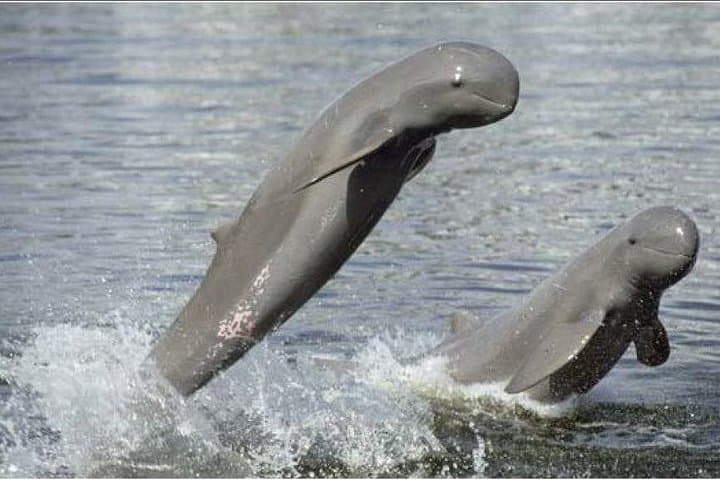
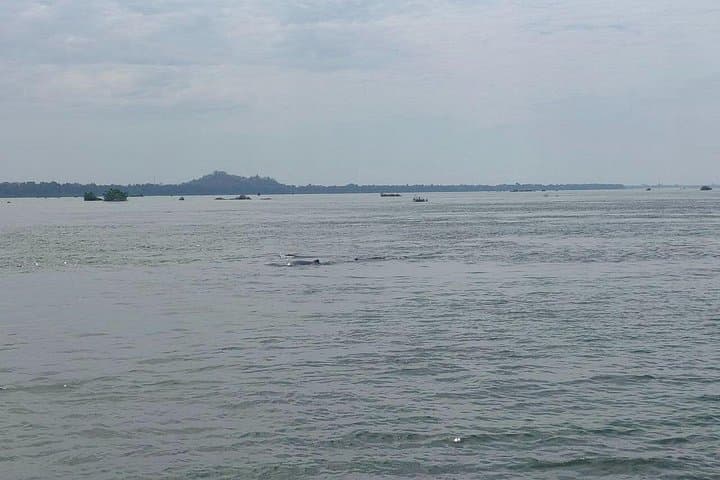
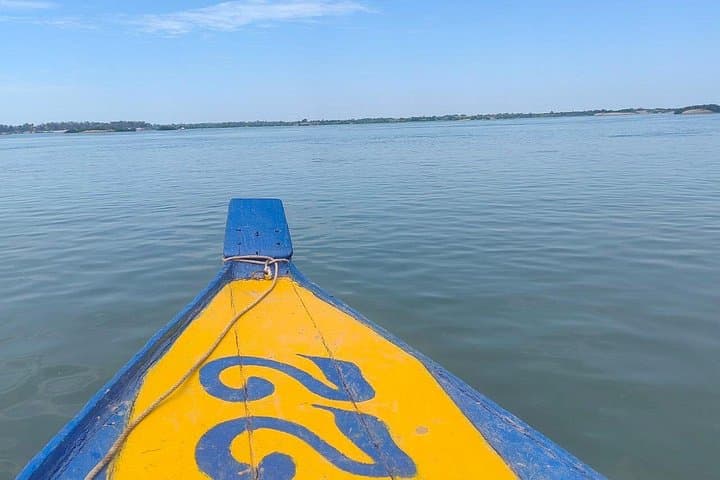
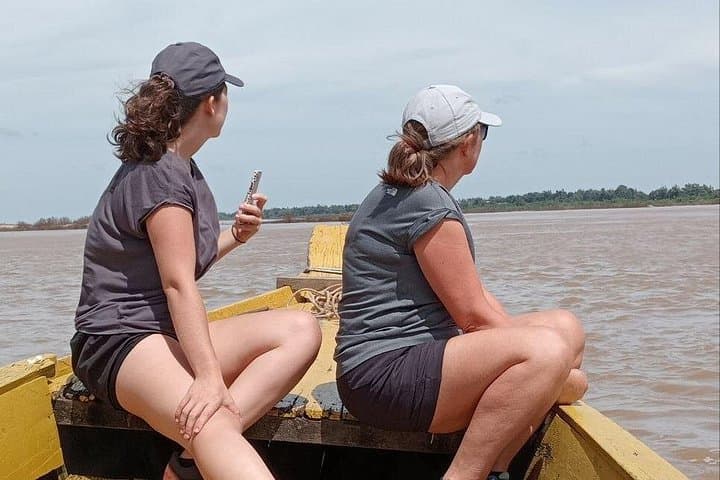
The river breathes slow and wide as your tuk-tuk pulls toward the Mekong; sunlight slants across braided channels and the riverbank reeds stir like an audience waiting. By late afternoon the current seems to dare the water to move faster, and that’s when the Mekong dolphins—rare, quick, and curious—often rise in the river’s shallows, breaking the surface in small, gleaming arcs.
The river breathes slow and wide as your tuk-tuk pulls toward the Mekong; sunlight slants across braided channels and the riverbank reeds stir like an audience waiting. By late afternoon the current seems to dare the water to move faster, and that’s when the Mekong dolphins—rare, quick, and curious—often rise in the river’s shallows, breaking the surface in small, gleaming arcs.
This half-day loop also takes you to Phnom Sam Bok, a low sandstone rise that offers sweeping views of the Mekong’s oxbows and the scattering of stilted houses. Kratie’s riverside was a modest French trading post in the 20th century and remains a working river town—boats, fishermen, and temple spires mark daily life. Geologically, the area is sediment-rich alluvium; the slow-moving current sculpts sandbars and channels that the dolphins use for feeding.
Expect quiet observation from riverbanks near Kampi village and brief walks to viewpoints at Phnom Sam Bok. Cultural touches—riverside teak houses, market stalls, and locals maintaining nets—give context to the boats and the dolphins’ fragile habitat.
Practical guidance: schedule the trip for late afternoon when sightings are likeliest, bring binoculars and a camera with a zoom lens, and keep voices low near dolphin viewing spots. Wear breathable layers for heat and sudden showers, and carry cash for small purchases and driver tips. The route is short and accessible; the reward is an intimate encounter with a nearly lost species and the slow, working rhythm of the lower Mekong.