THE ADVENTURE COLLECTIVE® · Independent discovery and booking for outdoor travel

Short on time but set on Machu Picchu? This two-day, small-group option gets you from Cusco to the citadel with train transfers, a night in Aguas Calientes, and an early-morning guided visit. Choose to hike the stone steps or ride the bus—either way the ruins await.
Short on time but set on Machu Picchu? This two-day, small-group option gets you from Cusco to the citadel with train transfers, a night in Aguas Calientes, and an early-morning guided visit. Choose to hike the stone steps or ride the bus—either way the ruins await.
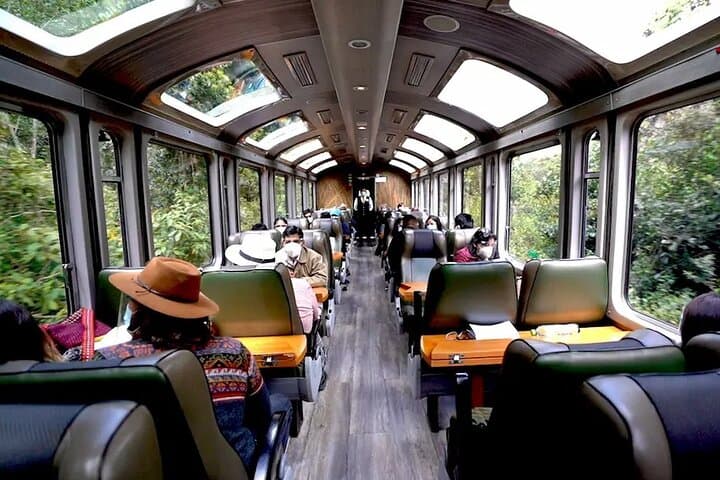
Pre-dawn in Cusco feels decisive: buses roll through narrow streets, and the Andes press close like a living map. You’re collected around 4:00 a.m., driven toward Ollantaytambo, and then folded into the train that threads the Sacred Valley. The river below dares you onward as window frames turn jungle and cliff into a rushing, green film.
Verified experiences and guided adventures in the surrounding area.
Operated by Inca Jungle Trek | Sap Adventures · Aguas Calientes, Cusco
Pre-dawn in Cusco feels decisive: buses roll through narrow streets, and the Andes press close like a living map. You’re collected around 4:00 a.m., driven toward Ollantaytambo, and then folded into the train that threads the Sacred Valley. The river below dares you onward as window frames turn jungle and cliff into a rushing, green film.
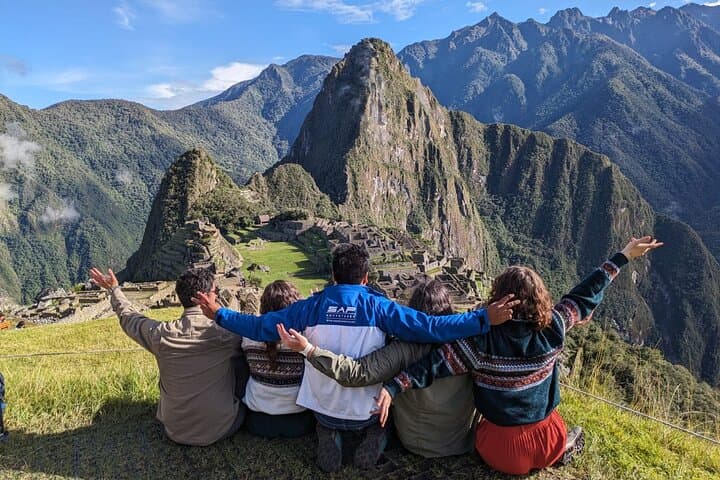
Machu Picchu sits on a ridge carved by the Urubamba; the citadel’s stonework dates to the 15th-century Inca empire. Geologically, the site perches where granite and metamorphic rock meet cloud forest, creating microclimates that feed orchids and hummingbirds. Local Quechua communities shaped the terraces you’ll walk past—agriculture, astronomy and ritual are embedded in the layout.
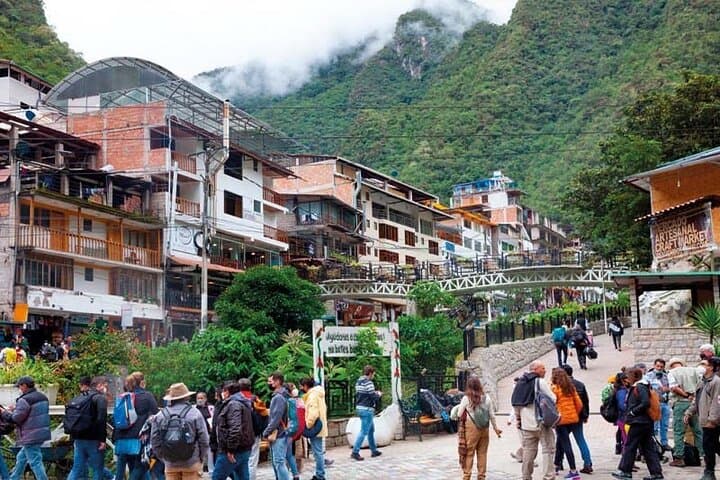
Practically, this is a compact, guided two-day experience with small groups (max ~15). Night one is in Aguas Calientes; early on day two you can hike 1–1.5 hours up ~1,700 stone steps or take the 25–30 minute bus (about $12 one way). Entrance included is Circuit 2-A; bring your original passport to validate tickets at checkpoints.
Expect abrupt weather shifts: sun, mist and rain can cycle in minutes. Footwear with good traction and layered clothing will keep you moving. Hydrate and allow time to acclimate in Cusco; altitude can blunt energy despite the tour’s “suitable for all fitness” classification. Guides handle logistics—train options, transfers and archaeological context—so your focus stays on route, rhythm and the view when the clouds part and the citadel opens like a held breath.
moderate.
2 days.
Moderate fitness recommended—able to climb stairs and walk several hours at altitude; not technical but expect sustained uphill exertion.
This tour includes the Machu Picchu entrance (Circuit 2-A) and handles ticketing—bring the original passport used for booking for validation.
The hike is steep: roughly 1–1.5 hours and ~1,700 stone steps; it’s strenuous but non-technical. Bus options are available for those who prefer not to climb.
You can be booked on various services (Expedition, Vistadome, 360°); trains vary by comfort and scenery but the itinerary includes round-trip transport to Aguas Calientes.
The provider notes it’s not recommended for pregnant travelers or those with significant cardiovascular or spinal problems; consult your doctor if concerned.
Machu Picchu was constructed in the 15th century by the Inca and later abandoned during the Spanish conquest era, remaining hidden to much of the outside world until the 20th century.
Visitor numbers are managed with timed entries and specific circuits to limit erosion; stick to official paths and avoid bringing single-use plastics into the citadel.
Inca Jungle Trek | Sap Adventures operates guided outdoor trips and adventures with an emphasis on safety, stewardship, and memorable experiences.
Pre-dawn in Cusco feels decisive: buses roll through narrow streets, and the Andes press close like a living map. You’re collected around 4:00 a.m., driven toward Ollantaytambo, and then folded into the train that threads the Sacred Valley. The river below dares you onward as window frames turn jungle and cliff into a rushing, green film.
Pre-dawn in Cusco feels decisive: buses roll through narrow streets, and the Andes press close like a living map. You’re collected around 4:00 a.m., driven toward Ollantaytambo, and then folded into the train that threads the Sacred Valley. The river below dares you onward as window frames turn jungle and cliff into a rushing, green film.
Machu Picchu sits on a ridge carved by the Urubamba; the citadel’s stonework dates to the 15th-century Inca empire. Geologically, the site perches where granite and metamorphic rock meet cloud forest, creating microclimates that feed orchids and hummingbirds. Local Quechua communities shaped the terraces you’ll walk past—agriculture, astronomy and ritual are embedded in the layout.
Practically, this is a compact, guided two-day experience with small groups (max ~15). Night one is in Aguas Calientes; early on day two you can hike 1–1.5 hours up ~1,700 stone steps or take the 25–30 minute bus (about $12 one way). Entrance included is Circuit 2-A; bring your original passport to validate tickets at checkpoints.
Expect abrupt weather shifts: sun, mist and rain can cycle in minutes. Footwear with good traction and layered clothing will keep you moving. Hydrate and allow time to acclimate in Cusco; altitude can blunt energy despite the tour’s “suitable for all fitness” classification. Guides handle logistics—train options, transfers and archaeological context—so your focus stays on route, rhythm and the view when the clouds part and the citadel opens like a held breath.