THE ADVENTURE COLLECTIVE® · Independent discovery and booking for outdoor travel

Missed advance tickets? This private two-day train itinerary from Cusco gets you to Aguas Calientes and offers onsite Machu Picchu ticket purchase, an escorted morning visit to the citadel and a comfortable overnight in town.
Missed advance tickets? This private two-day train itinerary from Cusco gets you to Aguas Calientes and offers onsite Machu Picchu ticket purchase, an escorted morning visit to the citadel and a comfortable overnight in town.
Before dawn the van pulls out of Cusco and the highland sky still holds its stars. You rattle along the road to Ollantaytambo, trade asphalt for rails and let the train follow the river valley as cloud forest climbs toward the lost Inca citadel. By midmorning you're in Aguas Calientes, buying a last-minute Machu Picchu ticket and trading the town’s steam for the cool morning stone of the ruins.
Verified experiences and guided adventures in the surrounding area.
Operated by Machupicchu Latin America · Aguas Calientes, Cusco Region
Before dawn the van pulls out of Cusco and the highland sky still holds its stars. You rattle along the road to Ollantaytambo, trade asphalt for rails and let the train follow the river valley as cloud forest climbs toward the lost Inca citadel. By midmorning you're in Aguas Calientes, buying a last-minute Machu Picchu ticket and trading the town’s steam for the cool morning stone of the ruins.
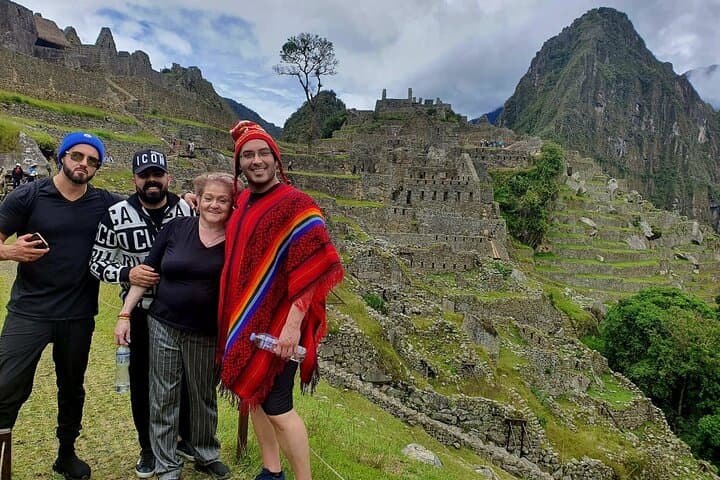
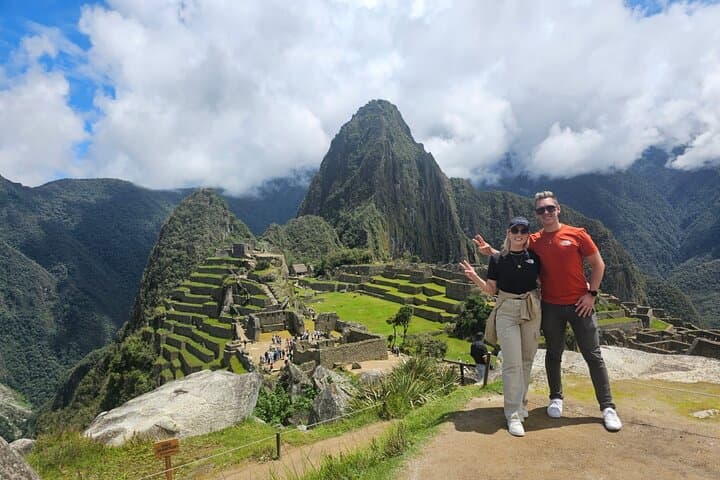
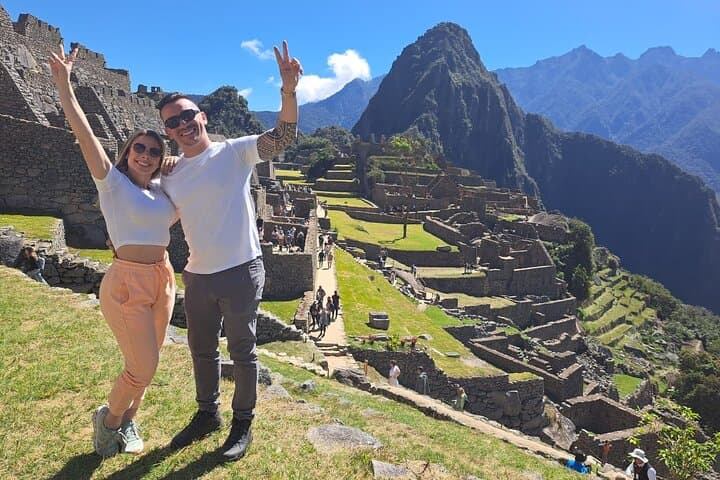
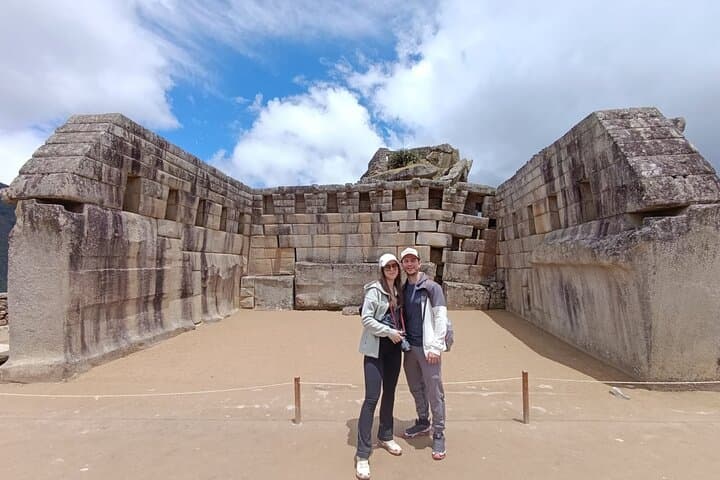
Machu Picchu sits on a granite spine above the Urubamba River, its terraces carved into volcanic rock and river-born soils. Built in the 15th century, the site combines sophisticated stonework, water channels and agricultural engineering—proof of Inca skill and a living chapter of Andean culture. Aguas Calientes grew as the railway arrived; its hot springs and the nearby Mandor waterfall reflect the area’s cloud-forest ecology and hummingbird-rich understory.
Practical guidance: this private, two-day itinerary includes train transport, hotel (3-star) and a guided visit, but Machu Picchu entry is purchased onsite and depends on availability—carry your passport and cash for the ticket. Expect early mornings (pickup around 4:00am from Cusco), narrow walking paths and a 30-minute bus ride up to the entrance. Altitude is greater in Cusco (3,400 m) so allow time to hydrate and move slowly; the Machu Picchu site itself sits near 2,400 m. Wear grippy shoes and a waterproof shell; rains are common in the wet season. If you missed pre-booking, this private transfer-and-train option gives a practical route to the citadel with local guidance—plan for tight timing, bring layered clothing, and keep flexible if tickets are limited.
easy.
2 days.
Suitable for most fitness levels; you should be able to walk on uneven paths and climb stairs for 1–3 hours.
Yes—this itinerary includes onsite ticket purchase in Aguas Calientes, but availability is limited and not guaranteed; bring ID and cash.
Train tickets are included as per your booking choice; confirm class and schedule with the operator at booking.
Yes—the first afternoon typically allows leisure time for the hot springs or a short walk to Mandor Waterfall; the second day is dedicated to Machu Picchu and return travel.
Cusco is at high altitude (≈3,400 m) so hydrate, avoid heavy exertion on arrival and consider acclimatization time or medication if you are prone to symptoms.
Machu Picchu was built in the 15th century by the Incas and later reintroduced to international attention in 1911; its terraces and waterworks reflect advanced Andean engineering.
Visitor numbers are regulated by timed entries to reduce wear on terraces and trails; stick to marked paths, avoid flash photography in restricted areas and support local guides and authorized services.
Machupicchu Latin America operates guided outdoor trips and adventures with an emphasis on safety, stewardship, and memorable experiences.
Before dawn the van pulls out of Cusco and the highland sky still holds its stars. You rattle along the road to Ollantaytambo, trade asphalt for rails and let the train follow the river valley as cloud forest climbs toward the lost Inca citadel. By midmorning you're in Aguas Calientes, buying a last-minute Machu Picchu ticket and trading the town’s steam for the cool morning stone of the ruins.
Before dawn the van pulls out of Cusco and the highland sky still holds its stars. You rattle along the road to Ollantaytambo, trade asphalt for rails and let the train follow the river valley as cloud forest climbs toward the lost Inca citadel. By midmorning you're in Aguas Calientes, buying a last-minute Machu Picchu ticket and trading the town’s steam for the cool morning stone of the ruins.
Machu Picchu sits on a granite spine above the Urubamba River, its terraces carved into volcanic rock and river-born soils. Built in the 15th century, the site combines sophisticated stonework, water channels and agricultural engineering—proof of Inca skill and a living chapter of Andean culture. Aguas Calientes grew as the railway arrived; its hot springs and the nearby Mandor waterfall reflect the area’s cloud-forest ecology and hummingbird-rich understory.
Practical guidance: this private, two-day itinerary includes train transport, hotel (3-star) and a guided visit, but Machu Picchu entry is purchased onsite and depends on availability—carry your passport and cash for the ticket. Expect early mornings (pickup around 4:00am from Cusco), narrow walking paths and a 30-minute bus ride up to the entrance. Altitude is greater in Cusco (3,400 m) so allow time to hydrate and move slowly; the Machu Picchu site itself sits near 2,400 m. Wear grippy shoes and a waterproof shell; rains are common in the wet season. If you missed pre-booking, this private transfer-and-train option gives a practical route to the citadel with local guidance—plan for tight timing, bring layered clothing, and keep flexible if tickets are limited.