THE ADVENTURE COLLECTIVE® · Independent discovery and booking for outdoor travel

Drive from Agios Nikolaos into Crete’s high plateaus to explore Kritsa’s alleys, learn olive-oil craft, visit Katharo and Lassithi Plateaus at 1,150–1,250 m, and try pottery in villages that hold fossils and myth. This six-hour loop blends geology, history and hands-on tradition.
Drive from Agios Nikolaos into Crete’s high plateaus to explore Kritsa’s alleys, learn olive-oil craft, visit Katharo and Lassithi Plateaus at 1,150–1,250 m, and try pottery in villages that hold fossils and myth. This six-hour loop blends geology, history and hands-on tradition.
The tour opens on a sunlit morning in Agios Nikolaos, where the town’s marina slips away and the road climbs into a landscape shaped by wind and stone. Travelers walk narrow alleys in Kritsa, olive oil perfume in the air, then move through holm-oak stands and the scattered cypress remnants of Minos’s ancient forests as the van ascends toward high plateaus.
Verified experiences and guided adventures in the surrounding area.
Operated by Safari Crete Experience · Agios Nikolaos, Crete
The tour opens on a sunlit morning in Agios Nikolaos, where the town’s marina slips away and the road climbs into a landscape shaped by wind and stone. Travelers walk narrow alleys in Kritsa, olive oil perfume in the air, then move through holm-oak stands and the scattered cypress remnants of Minos’s ancient forests as the van ascends toward high plateaus.
Geology here is blunt and honest: uplifted limestone plateaus carved by wind and winter runoff, with pockets of fertile soil that once supported thousands of traditional windmills on Lassithi. History and myth thread the route — the Diktaio Cave at Psychro claims the Zeus origin story while Katharo Plateau holds fossils of the extinct Cretan dwarf hippopotamus, evidence of a long, shifting island ecology.
Cultural stops include an olive-oil mill tour and a hands-on pottery session that ties modern craft to centuries of local practice. Villages like Krasi offer living history: a monumental plane tree locals associate with author Nikos Kazantzakis, and slow rhythms of rural Cretan life.
Practical guidance: the full loop is a six-hour excursion by air-conditioned vehicle with short walks at each stop, some on uneven ground. Dress in layers for cool mornings at 1,150–1,250 m, bring sun protection and sturdy shoes for short rocky walks, and expect narrow rural roads. Lunch and bottled water are included; bring a small daypack for cameras and purchases. The route is suitable for most fitness levels but includes brief uphill walking and uneven surfaces, so plan accordingly.
easy.
6 hours.
Suitable for most fitness levels: short uphill walks and uneven ground but no sustained hiking; mobility-friendly in most stops.
The excursion lasts about six hours; it includes bottled water, lunch, an olive-oil factory visit, pottery session, and air-conditioned transport.
Yes; the tour is rated easy with short walks. Infant seats are available and most stops are accessible, but expect some uneven ground.
The itinerary passes near the Diktaio Cave area; specifics depend on routing and time, but the tour highlights the cave’s local significance rather than an extensive cave hike.
Bring clothing you don’t mind getting clay on; the workshop provides tools and guidance, and finished pieces are typically taken home after firing or arranged for pickup.
Lassithi has been cultivated since antiquity and in the mid-20th century hosted one of Europe’s earliest, large-scale windmill concentrations used for irrigation.
The plateaus rely on fragile karst groundwater and traditional irrigation; travelers should stick to paths, avoid littering, and support local producers to help preserve landscape stewardship.
Safari Crete Experience operates guided outdoor trips and adventures with an emphasis on safety, stewardship, and memorable experiences.
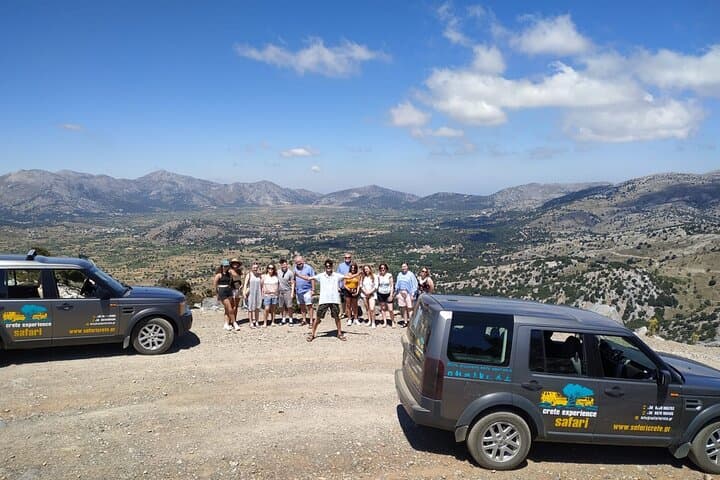
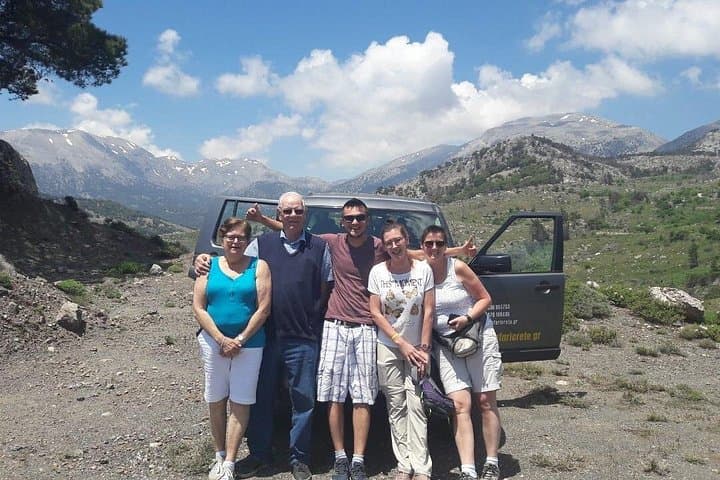
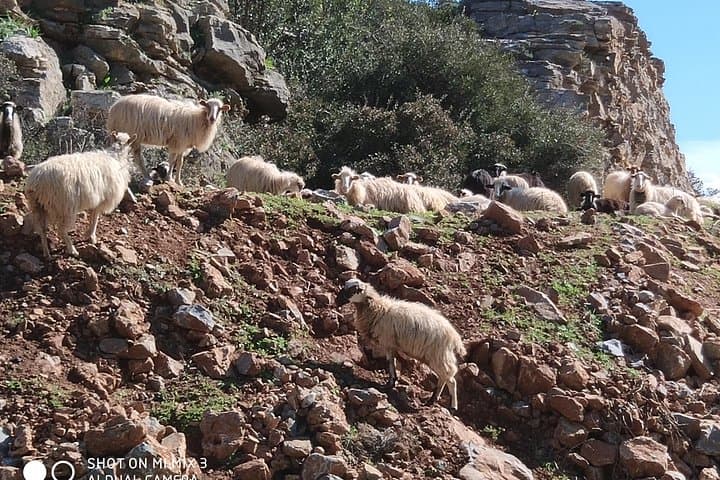
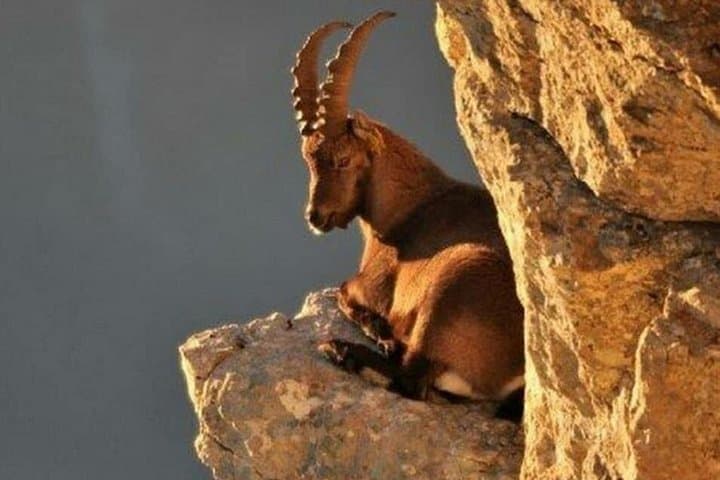
The tour opens on a sunlit morning in Agios Nikolaos, where the town’s marina slips away and the road climbs into a landscape shaped by wind and stone. Travelers walk narrow alleys in Kritsa, olive oil perfume in the air, then move through holm-oak stands and the scattered cypress remnants of Minos’s ancient forests as the van ascends toward high plateaus.
The tour opens on a sunlit morning in Agios Nikolaos, where the town’s marina slips away and the road climbs into a landscape shaped by wind and stone. Travelers walk narrow alleys in Kritsa, olive oil perfume in the air, then move through holm-oak stands and the scattered cypress remnants of Minos’s ancient forests as the van ascends toward high plateaus.
Geology here is blunt and honest: uplifted limestone plateaus carved by wind and winter runoff, with pockets of fertile soil that once supported thousands of traditional windmills on Lassithi. History and myth thread the route — the Diktaio Cave at Psychro claims the Zeus origin story while Katharo Plateau holds fossils of the extinct Cretan dwarf hippopotamus, evidence of a long, shifting island ecology.
Cultural stops include an olive-oil mill tour and a hands-on pottery session that ties modern craft to centuries of local practice. Villages like Krasi offer living history: a monumental plane tree locals associate with author Nikos Kazantzakis, and slow rhythms of rural Cretan life.
Practical guidance: the full loop is a six-hour excursion by air-conditioned vehicle with short walks at each stop, some on uneven ground. Dress in layers for cool mornings at 1,150–1,250 m, bring sun protection and sturdy shoes for short rocky walks, and expect narrow rural roads. Lunch and bottled water are included; bring a small daypack for cameras and purchases. The route is suitable for most fitness levels but includes brief uphill walking and uneven surfaces, so plan accordingly.