THE ADVENTURE COLLECTIVE® · Independent discovery and booking for outdoor travel

Drive from Elounda into the high Lasithi Plateau to explore traditional villages, taste estate-made olive oil, and visit the old windmills that irrigate the fields. This full-day, small-group tour mixes short walks with cultural stops and an optional mountain lunch.
Drive from Elounda into the high Lasithi Plateau to explore traditional villages, taste estate-made olive oil, and visit the old windmills that irrigate the fields. This full-day, small-group tour mixes short walks with cultural stops and an optional mountain lunch.
A cool morning on Crete opens with stone streets and the smell of wood smoke; the minivan winds up from the coast and the sea slides away until only the plateau and white windmills fill the windshield.
Verified experiences and guided adventures in the surrounding area.
Operated by Explore Real Crete · Elounda, Crete
A cool morning on Crete opens with stone streets and the smell of wood smoke; the minivan winds up from the coast and the sea slides away until only the plateau and white windmills fill the windshield.
This full-day tour takes travelers into the working heart of Lasithi Plateau—an agricultural basin carved into limestone and volcanic deposits—where small farms and windmills mark a landscape shaped by centuries of irrigation and Venetian influence. Guides stop in narrow village lanes to explain local customs and point out Byzantine chapels, then lead into an olive oil factory to watch pressing methods that mix ancient presses with modern quality control, followed by tastings of robust Cretan oil and raki.
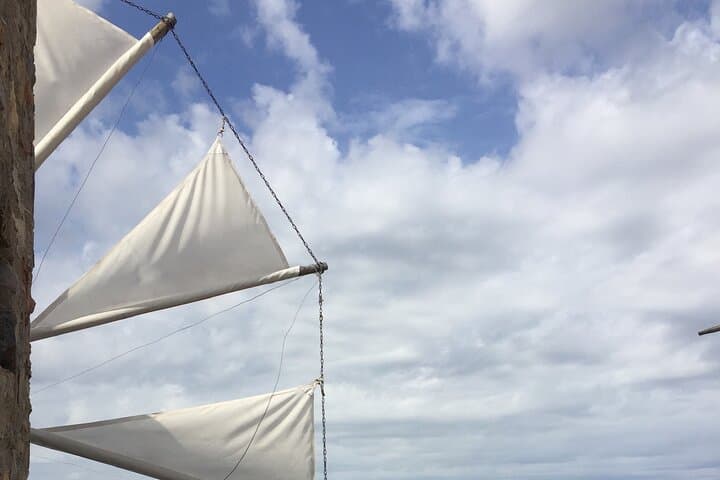
Geologically, the plateau sits at roughly 900 m (about 3,000 ft), ringed by steep ridges that funnel wind and give the historic wooden windmills their purpose: lifting water for terraced fields. Culturally, the day emphasizes family-run restaurants and living traditions—expect stories of shepherding, seasonal planting, and the plateau’s role in Cretan resistance during modern history.
Practical details: the itinerary is shuttle-based with short, mostly paved walks in village centers and factory interiors; comfortable shoes and a light jacket for altitude are recommended. Bring water, sun protection, and a camera for sweeping views. Lunch at a mountain taverna is optional but worth it for home-cooked dishes. Timing early in the season brings wildflowers; summer offers clear vistas but stronger sun. The tour balances gentle walking with interpretive stops, making it accessible for most travelers who want a grounded picture of rural Crete.
easy.
8 hours.
Suitable for most fitness levels; expect short, gentle walks (15–30 minutes) on uneven village streets and factory areas.
Lunch is optional; the tour stops at a family restaurant where guests can pay for a traditional Cretan meal if they wish.
Yes—pickup is offered across Heraklion region, Hersonissos, Malia and specified towns including Elounda; Chania and Ierapetra regions are not covered.
Walking is light to moderate: short strolls through village streets, entry into the olive oil facility, and a few lookout points—no long hikes required.
Olive oil tastings are family-friendly; raki is offered for adults only. Inform the operator if traveling with infants or special dietary needs.
Lasithi Plateau’s windmills date largely to Venetian and Ottoman eras and were historically used to pump irrigation water; the plateau has supported small-scale farming for centuries.
Visitors are encouraged to respect olive groves and private farmland; local operators promote small-group visits to reduce erosion and preserve village livelihoods.
Explore Real Crete operates guided outdoor trips and adventures with an emphasis on safety, stewardship, and memorable experiences.
A cool morning on Crete opens with stone streets and the smell of wood smoke; the minivan winds up from the coast and the sea slides away until only the plateau and white windmills fill the windshield.
A cool morning on Crete opens with stone streets and the smell of wood smoke; the minivan winds up from the coast and the sea slides away until only the plateau and white windmills fill the windshield.
This full-day tour takes travelers into the working heart of Lasithi Plateau—an agricultural basin carved into limestone and volcanic deposits—where small farms and windmills mark a landscape shaped by centuries of irrigation and Venetian influence. Guides stop in narrow village lanes to explain local customs and point out Byzantine chapels, then lead into an olive oil factory to watch pressing methods that mix ancient presses with modern quality control, followed by tastings of robust Cretan oil and raki.
Geologically, the plateau sits at roughly 900 m (about 3,000 ft), ringed by steep ridges that funnel wind and give the historic wooden windmills their purpose: lifting water for terraced fields. Culturally, the day emphasizes family-run restaurants and living traditions—expect stories of shepherding, seasonal planting, and the plateau’s role in Cretan resistance during modern history.
Practical details: the itinerary is shuttle-based with short, mostly paved walks in village centers and factory interiors; comfortable shoes and a light jacket for altitude are recommended. Bring water, sun protection, and a camera for sweeping views. Lunch at a mountain taverna is optional but worth it for home-cooked dishes. Timing early in the season brings wildflowers; summer offers clear vistas but stronger sun. The tour balances gentle walking with interpretive stops, making it accessible for most travelers who want a grounded picture of rural Crete.