THE ADVENTURE COLLECTIVE® · Independent discovery and booking for outdoor travel

Walk La Rambla on your own schedule with a smartphone audio guide—27 stops, 5.7 km, and layered stories from medieval hospitals to maritime museums. Perfect for first-time visitors who want context and control.
Walk La Rambla on your own schedule with a smartphone audio guide—27 stops, 5.7 km, and layered stories from medieval hospitals to maritime museums. Perfect for first-time visitors who want context and control.
You step off Plaça de Catalunya and onto La Rambla, where plane trees lean over the promenade and the city breathes in a steady rhythm. Vendors call, performers claim pockets of pavement, and the sound of the harbor nudges the boulevard toward the sea. This is a walk that moves through Barcelona’s layers—medieval alleys folding into grand 19th-century façades, all threaded by a route that once carried seasonal streams down to the Mediterranean.
Verified experiences and guided adventures in the surrounding area.
Operated by City App Tour · Barcelona, Catalonia
You step off Plaça de Catalunya and onto La Rambla, where plane trees lean over the promenade and the city breathes in a steady rhythm. Vendors call, performers claim pockets of pavement, and the sound of the harbor nudges the boulevard toward the sea. This is a walk that moves through Barcelona’s layers—medieval alleys folding into grand 19th-century façades, all threaded by a route that once carried seasonal streams down to the Mediterranean.
La Rambla runs roughly 1.2 kilometers from the central square to Port Vell, passing landmarks tied to Barcelona’s maritime and mercantile past: the Drassanes shipyards, the Liceu opera house, the Old Hospital of Santa Creu and the vibrant Mercat de la Boqueria. The term rambla itself hints at geology—a former watercourse that shaped the urban plain and later became a civic spine.
Culturally, this corridor is a microcosm of Catalonia’s layered identity: Catalan and Spanish languages coexist on shopfronts, while food stalls and small museums recall a working city more than a theme park. The audio guide in seven languages lets you pace those discoveries—27 narrated stops over about 5.7 km that you can stretch into a full day if you like.
Practical edge: keep your phone charged and use headphones; the route is flat but lined with crowds and narrow alleys. Go early for softer light and fewer pickpockets, late afternoon for street life at its liveliest. Bring a reusable water bottle, wear supportive shoes, and allow time to detour into the Gothic Quarter or Palau Güell for a quieter, richer counterpoint to the boulevard’s bustle.
easy.
2–3 hours.
Suitable for most fitness levels; requires the ability to walk 5–6 km and stand at stops
Yes—the tour requires an internet connection and GPS to stream or download route guidance.
The route covers about 5.7 km and most people take 2–3 hours at a steady pace.
Yes—you have until the end of the next day to finish the tour, so you can pause for a museum or meal.
The main boulevard is flat and paved, but side streets in the Gothic Quarter can be narrow and uneven; accessibility may vary.
La Rambla follows the path of an old seasonal stream; over centuries it transformed into Barcelona’s main promenade, a conduit for trade and public life.
High foot traffic stresses streets and markets—minimize litter, favor local vendors, and use public transport to reduce congestion and emissions.
City App Tour operates guided outdoor trips and adventures with an emphasis on safety, stewardship, and memorable experiences.

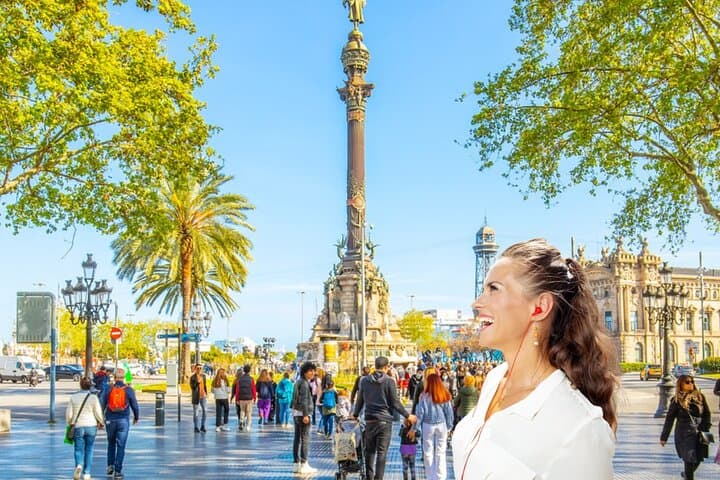
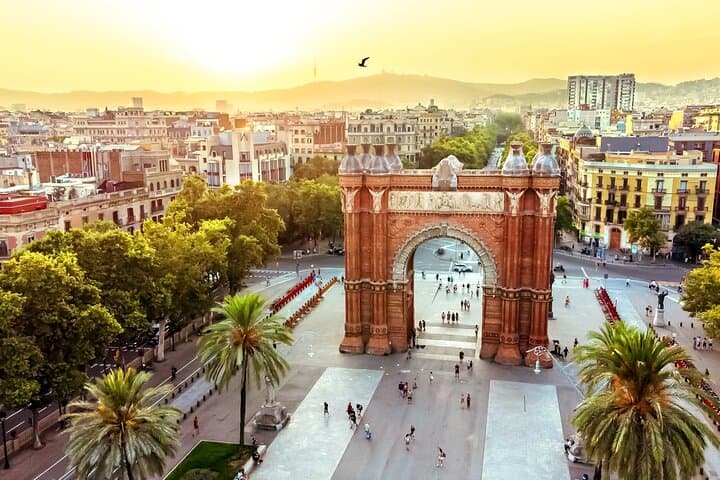
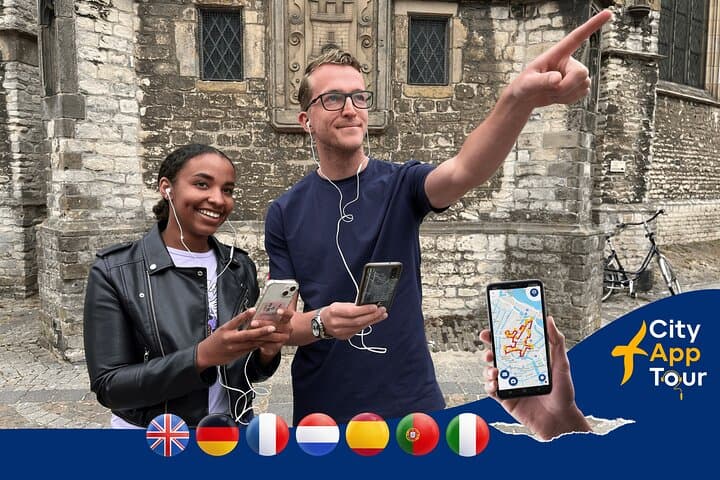
You step off Plaça de Catalunya and onto La Rambla, where plane trees lean over the promenade and the city breathes in a steady rhythm. Vendors call, performers claim pockets of pavement, and the sound of the harbor nudges the boulevard toward the sea. This is a walk that moves through Barcelona’s layers—medieval alleys folding into grand 19th-century façades, all threaded by a route that once carried seasonal streams down to the Mediterranean.
You step off Plaça de Catalunya and onto La Rambla, where plane trees lean over the promenade and the city breathes in a steady rhythm. Vendors call, performers claim pockets of pavement, and the sound of the harbor nudges the boulevard toward the sea. This is a walk that moves through Barcelona’s layers—medieval alleys folding into grand 19th-century façades, all threaded by a route that once carried seasonal streams down to the Mediterranean.
La Rambla runs roughly 1.2 kilometers from the central square to Port Vell, passing landmarks tied to Barcelona’s maritime and mercantile past: the Drassanes shipyards, the Liceu opera house, the Old Hospital of Santa Creu and the vibrant Mercat de la Boqueria. The term rambla itself hints at geology—a former watercourse that shaped the urban plain and later became a civic spine.
Culturally, this corridor is a microcosm of Catalonia’s layered identity: Catalan and Spanish languages coexist on shopfronts, while food stalls and small museums recall a working city more than a theme park. The audio guide in seven languages lets you pace those discoveries—27 narrated stops over about 5.7 km that you can stretch into a full day if you like.
Practical edge: keep your phone charged and use headphones; the route is flat but lined with crowds and narrow alleys. Go early for softer light and fewer pickpockets, late afternoon for street life at its liveliest. Bring a reusable water bottle, wear supportive shoes, and allow time to detour into the Gothic Quarter or Palau Güell for a quieter, richer counterpoint to the boulevard’s bustle.