THE ADVENTURE COLLECTIVE® · Independent discovery and booking for outdoor travel

Spend a half- to full-day from Pedernales exploring the world’s only larimar mine, swimming in freshwater wells, visiting a wind farm and learning local lapidary craft. This all-inclusive tour pairs geology and community for an accessible, adventurous outing.
Spend a half- to full-day from Pedernales exploring the world’s only larimar mine, swimming in freshwater wells, visiting a wind farm and learning local lapidary craft. This all-inclusive tour pairs geology and community for an accessible, adventurous outing.
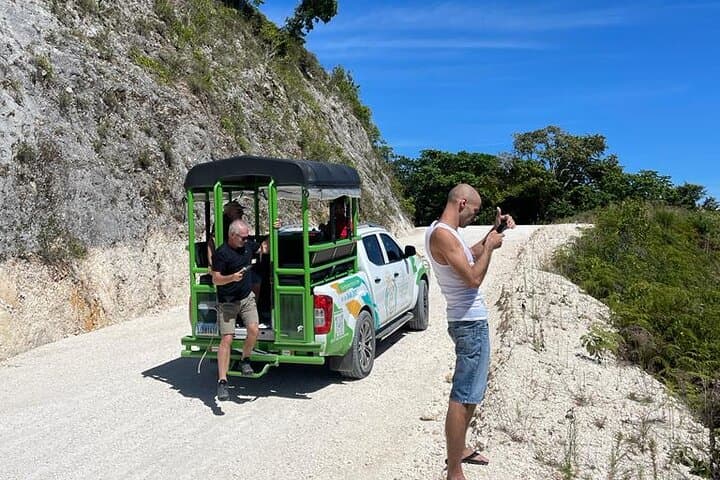
The van eases off the coastal road and the air changes — salt gives way to warm, mineral-scented inland wind. In the space between scrub and sea, wind turbines turn slowly and a narrow track leads to rock-strewn pools where clear water dares you to step in. This is a day that stitches together mining history, coastal ecology and a local community whose rhythm is the mine’s slow, steady work.
Verified experiences and guided adventures in the surrounding area.
Operated by Larimar Ecotour · Pedernales, Pedernales
The van eases off the coastal road and the air changes — salt gives way to warm, mineral-scented inland wind. In the space between scrub and sea, wind turbines turn slowly and a narrow track leads to rock-strewn pools where clear water dares you to step in. This is a day that stitches together mining history, coastal ecology and a local community whose rhythm is the mine’s slow, steady work.
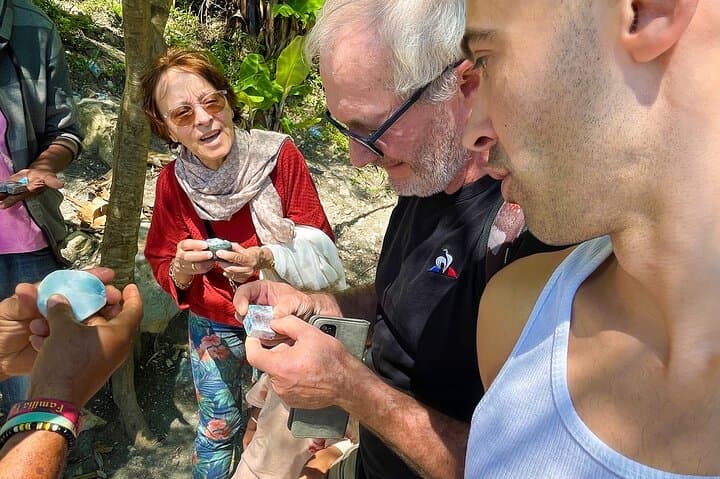
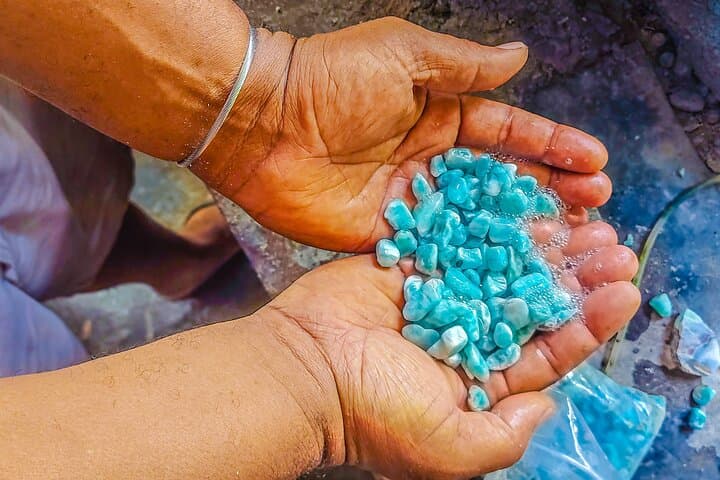
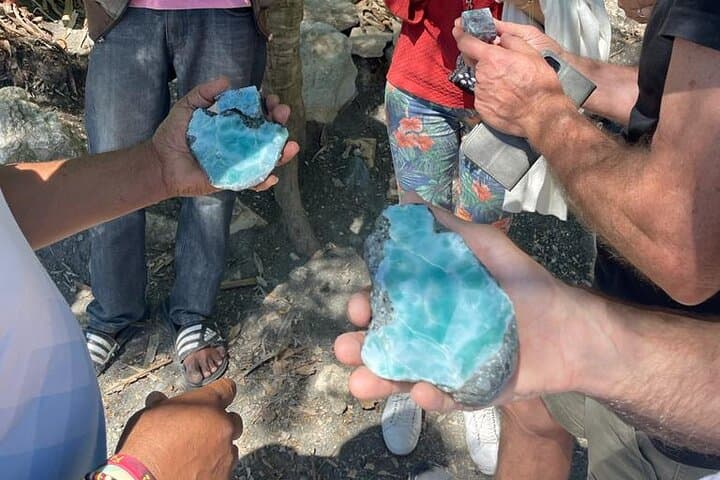
Larimar is the island’s one-of-a-kind blue pectolite, formed by volcanic activity and hydrothermal fluids millions of years ago. At the Philippines community mine you’ll watch miners pry the stone from veins in weathered basalt, then visit a nearby workshop where artisans cut and polish pieces into simple, wearable forms. Along the way guides point out the San Rafael springs, freshwater streams and the Los Cocos wind farm — modern energy sitting beside traditional extraction.
Expect short walks on uneven ground, a chance to swim in natural wells, and photography opportunities around windmills and blue stone. Local lunch is included, and guides explain both the cultural importance of larimar and sustainable practices intended to reduce erosion and disturbance.
Practical side: wear sturdy sandals or trail shoes that dry quickly, bring reef-safe sunscreen, and a change of clothes for the swim. The tour runs about 4–6 hours with intermittent walking and standing; bring cash if you plan to buy handcrafted larimar jewelry. Morning departures avoid midday heat and often yield calmer roads and clearer light for stone hunting.
moderate.
4–6 hours.
Suitable for people who can walk 1–3 miles on uneven terrain and manage short, non-technical climbs; basic swimming ability useful for pool stops.
The tour lasts about 4–6 hours and typically includes hotel pickup from Pedernales, transportation, lunch, bottled water, a guide, and visits to pools, the wind farm, the larimar mine, and a workshop.
You can often observe and sometimes assist miners; purchases of raw or polished larimar are commonly available at the workshop or local sellers — bring cash for smaller vendors.
Yes — freshwater pools and streams visited are generally safe for casual swims, but always follow your guide’s instructions about currents, depth, and footing.
Some vehicles and pick-up services are listed as wheelchair accessible, but site access (mine and pools) includes uneven ground — confirm accessibility needs with the operator in advance.
Larimar is a rare blue pectolite first commercially discovered in the Dominican Republic in the 20th century and later declared the national stone; mining is concentrated in small family-run operations.
Operators emphasize low-impact visits and educate guests on reducing erosion and responsible souvenir buying; avoid taking raw rock from unauthorized sites to support sustainable mining.
Larimar Ecotour operates guided outdoor trips and adventures with an emphasis on safety, stewardship, and memorable experiences.
The van eases off the coastal road and the air changes — salt gives way to warm, mineral-scented inland wind. In the space between scrub and sea, wind turbines turn slowly and a narrow track leads to rock-strewn pools where clear water dares you to step in. This is a day that stitches together mining history, coastal ecology and a local community whose rhythm is the mine’s slow, steady work.
The van eases off the coastal road and the air changes — salt gives way to warm, mineral-scented inland wind. In the space between scrub and sea, wind turbines turn slowly and a narrow track leads to rock-strewn pools where clear water dares you to step in. This is a day that stitches together mining history, coastal ecology and a local community whose rhythm is the mine’s slow, steady work.
Larimar is the island’s one-of-a-kind blue pectolite, formed by volcanic activity and hydrothermal fluids millions of years ago. At the Philippines community mine you’ll watch miners pry the stone from veins in weathered basalt, then visit a nearby workshop where artisans cut and polish pieces into simple, wearable forms. Along the way guides point out the San Rafael springs, freshwater streams and the Los Cocos wind farm — modern energy sitting beside traditional extraction.
Expect short walks on uneven ground, a chance to swim in natural wells, and photography opportunities around windmills and blue stone. Local lunch is included, and guides explain both the cultural importance of larimar and sustainable practices intended to reduce erosion and disturbance.
Practical side: wear sturdy sandals or trail shoes that dry quickly, bring reef-safe sunscreen, and a change of clothes for the swim. The tour runs about 4–6 hours with intermittent walking and standing; bring cash if you plan to buy handcrafted larimar jewelry. Morning departures avoid midday heat and often yield calmer roads and clearer light for stone hunting.