THE ADVENTURE COLLECTIVE® · Independent discovery and booking for outdoor travel

Step off the beaten track and hike the Lares Trek: four days of Andean villages, high passes, hot springs and a private guided visit to Machu Picchu. Learn about local culture, manage altitude, and sleep under the highland sky with mule support and a private chef.
Step off the beaten track and hike the Lares Trek: four days of Andean villages, high passes, hot springs and a private guided visit to Machu Picchu. Learn about local culture, manage altitude, and sleep under the highland sky with mule support and a private chef.
The trail opens like a folded map as you step out of Cusco’s early mist and into the Sacred Valley—warm sun hitting adobe roofs, llamas eyeing the road, and a narrow dirt track climbing toward Pumahuanca. Over four days the Andes will push and cradle you: steep switchbacks, broad high pastures, a snow-scoured pass, and the steam of Lares hot springs easing tired muscles before the whistle of the mountain train to Machu Picchu.
Verified experiences and guided adventures in the surrounding area.
Operated by Inti Peru Adventures · Cusco, Cusco
The trail opens like a folded map as you step out of Cusco’s early mist and into the Sacred Valley—warm sun hitting adobe roofs, llamas eyeing the road, and a narrow dirt track climbing toward Pumahuanca. Over four days the Andes will push and cradle you: steep switchbacks, broad high pastures, a snow-scoured pass, and the steam of Lares hot springs easing tired muscles before the whistle of the mountain train to Machu Picchu.
This route threads human history into its geology. The Lares corridor was a colonial and pre-Columbian lifeline connecting highland communities; stone terraces and high-altitude agriculture still mark the slopes. Granite and volcanic outcrops give way to glacially carved valleys and scattered turquoise lakes. Cultural life is present at every camp—children in bright woven clothing, elders weaving patterns the way their ancestors did.
Practically, expect daily walks between 13–14 km, significant altitude (pass elevations can exceed 4,200 m), and camping the first two nights with comfortable communal dining tents and mule support for equipment. Day three includes a bus transfer to Ollantaytambo and an overnight in Aguas Calientes, with a guided visit to Machu Picchu on day four.
Prepare for quick weather shifts: strong sun, cold nights, and possible afternoon showers. Prioritize layered clothing, a good sleeping bag, and hydration; take time to acclimatize in Cusco beforehand. The trek balances cultural immersion and manageable trekking—ideal for hikers with moderate fitness who want to step off the Inca Trail and into local highland life.
moderate.
4 days.
Moderate—regular walkers who can handle 10–15 km days at altitude and stairs; acclimatization recommended
Lares Trek does not require the Inca Trail permit system, but entrance to Machu Picchu is ticketed and included in most packages—booked by the operator.
Mules typically carry cooking and camp equipment plus about 7 kg (15 lbs) of personal items per person; bring a small daypack for essentials on the trail.
The route reaches high elevations (often above 4,000 m); allow 1–2 days in Cusco to acclimatize, ascend slowly, hydrate, and consider medication if prone to altitude sickness.
Dry season (May–September) offers clearer trails and views; shoulder months provide fewer crowds but expect more variable weather.
The Lares area has long been a corridor of highland life—its terraces and weaving traditions predate Spanish contact and link living communities to ancient Andean agricultural practices.
Stick to established campsites and trails, avoid single-use plastics, and support local guides and community cooperatives to keep economic benefits in the valley.
Inti Peru Adventures operates guided outdoor trips and adventures with an emphasis on safety, stewardship, and memorable experiences.
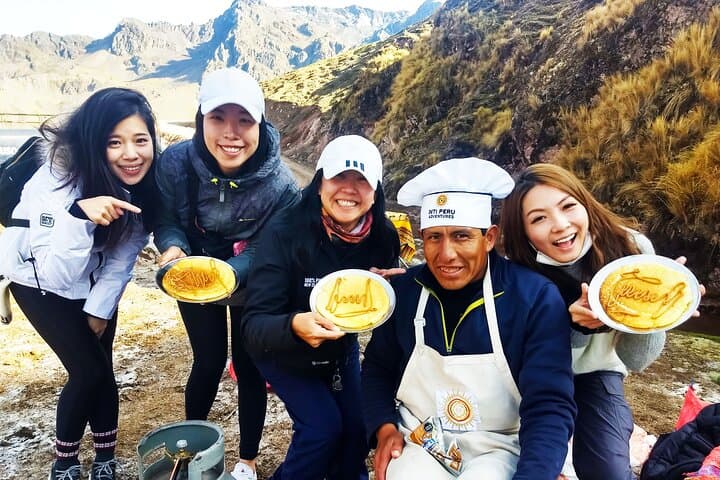
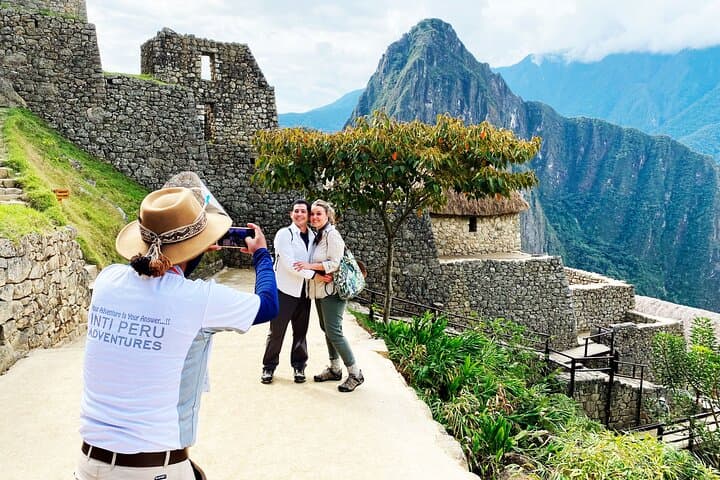
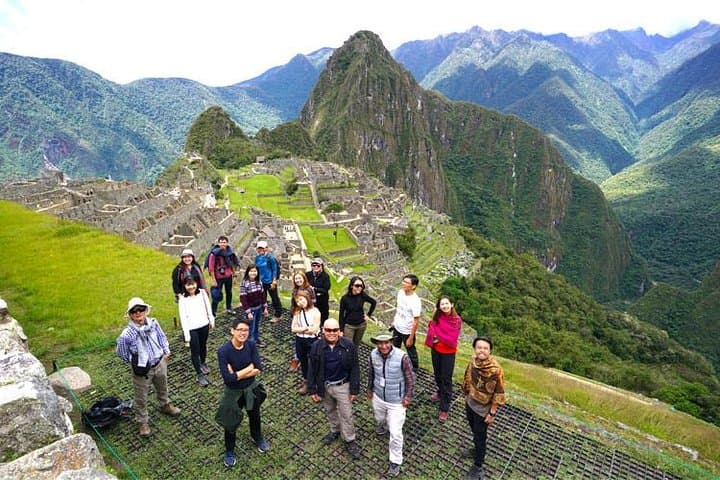
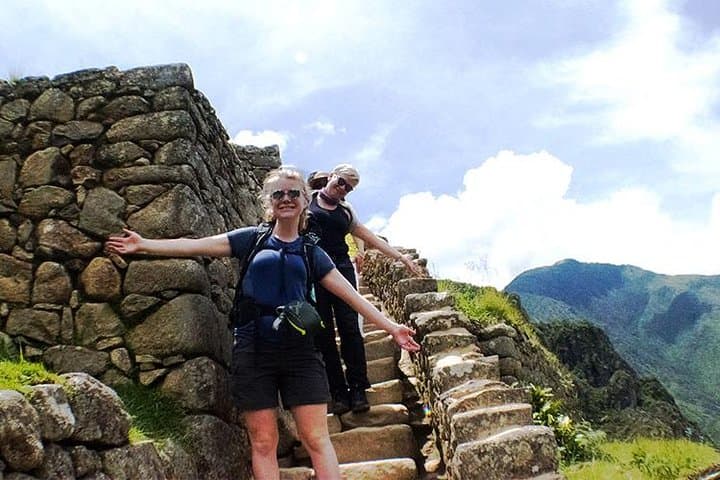
The trail opens like a folded map as you step out of Cusco’s early mist and into the Sacred Valley—warm sun hitting adobe roofs, llamas eyeing the road, and a narrow dirt track climbing toward Pumahuanca. Over four days the Andes will push and cradle you: steep switchbacks, broad high pastures, a snow-scoured pass, and the steam of Lares hot springs easing tired muscles before the whistle of the mountain train to Machu Picchu.
The trail opens like a folded map as you step out of Cusco’s early mist and into the Sacred Valley—warm sun hitting adobe roofs, llamas eyeing the road, and a narrow dirt track climbing toward Pumahuanca. Over four days the Andes will push and cradle you: steep switchbacks, broad high pastures, a snow-scoured pass, and the steam of Lares hot springs easing tired muscles before the whistle of the mountain train to Machu Picchu.
This route threads human history into its geology. The Lares corridor was a colonial and pre-Columbian lifeline connecting highland communities; stone terraces and high-altitude agriculture still mark the slopes. Granite and volcanic outcrops give way to glacially carved valleys and scattered turquoise lakes. Cultural life is present at every camp—children in bright woven clothing, elders weaving patterns the way their ancestors did.
Practically, expect daily walks between 13–14 km, significant altitude (pass elevations can exceed 4,200 m), and camping the first two nights with comfortable communal dining tents and mule support for equipment. Day three includes a bus transfer to Ollantaytambo and an overnight in Aguas Calientes, with a guided visit to Machu Picchu on day four.
Prepare for quick weather shifts: strong sun, cold nights, and possible afternoon showers. Prioritize layered clothing, a good sleeping bag, and hydration; take time to acclimatize in Cusco beforehand. The trek balances cultural immersion and manageable trekking—ideal for hikers with moderate fitness who want to step off the Inca Trail and into local highland life.