THE ADVENTURE COLLECTIVE® · Independent discovery and booking for outdoor travel

Replace the crowded Inca Trail with a high-altitude trek through Lares: thermal baths, traditional weaving communities, a 4,420 m pass, and a downhill bike into Ollantaytambo before visiting Machu Picchu. Expect steep climbs, cultural visits, and varied terrain over four days.
Replace the crowded Inca Trail with a high-altitude trek through Lares: thermal baths, traditional weaving communities, a 4,420 m pass, and a downhill bike into Ollantaytambo before visiting Machu Picchu. Expect steep climbs, cultural visits, and varied terrain over four days.
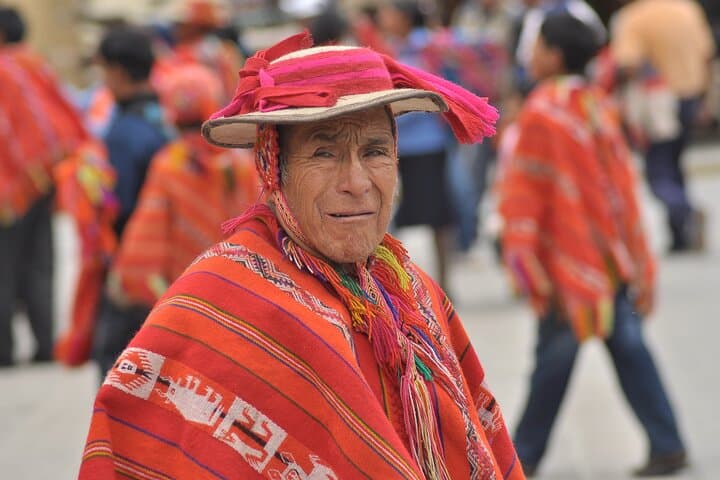
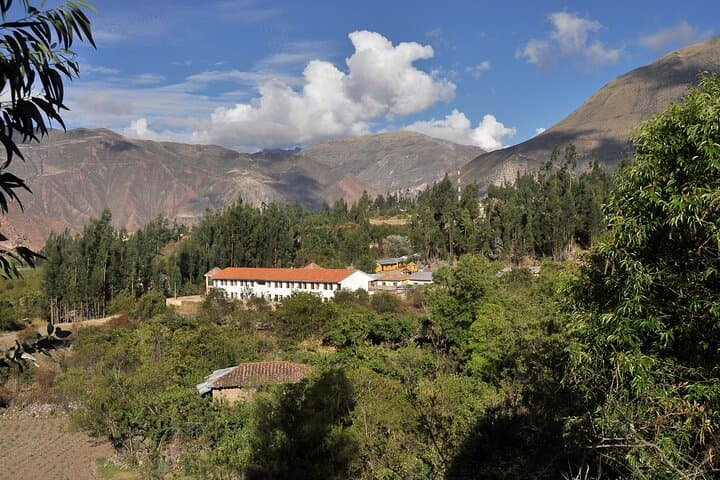
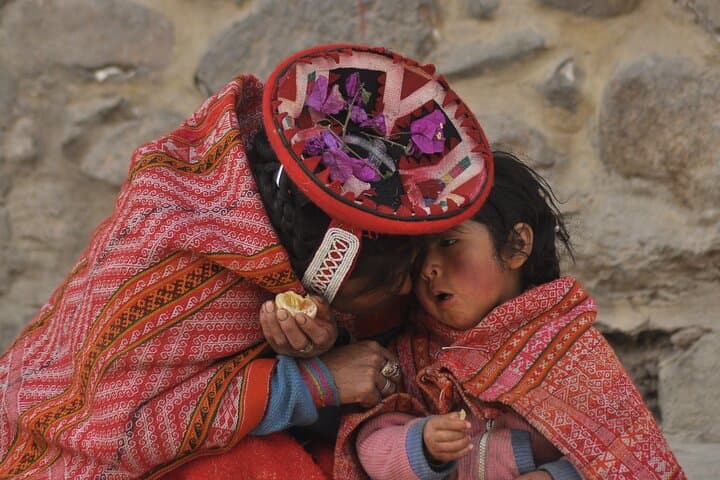
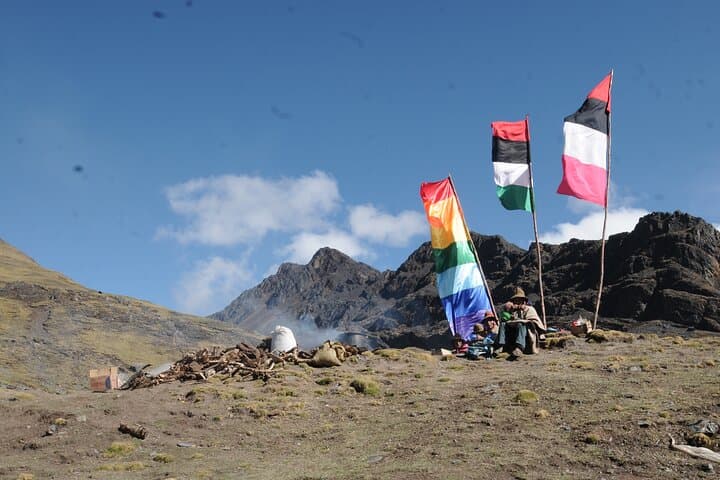
Dawn breaks over the high plains as your vehicle threads the Sacred Valley toward Lares, steam rising from thermal baths and herds of llamas grazing on wind-scoured slopes. The first day's walk slides from terraces past stone granaries and up to the Willka Punku ridge; by night you sleep in a field under an immense, cold sky. The route moves higher on day two, crossing Ipsaycocha pass at roughly 4,420 m where thin air sharpens the light and the landscape shifts to puna grass and scattered boulders. Lower descents lead into traditional farming communities—Willoq and Patacancha—where spinning and dyeing alpaca fiber still follow ancestral patterns.
Verified experiences and guided adventures in the surrounding area.
Operated by Heidi Travel EIRL · Ollantaytambo, Cusco
Dawn breaks over the high plains as your vehicle threads the Sacred Valley toward Lares, steam rising from thermal baths and herds of llamas grazing on wind-scoured slopes. The first day's walk slides from terraces past stone granaries and up to the Willka Punku ridge; by night you sleep in a field under an immense, cold sky. The route moves higher on day two, crossing Ipsaycocha pass at roughly 4,420 m where thin air sharpens the light and the landscape shifts to puna grass and scattered boulders. Lower descents lead into traditional farming communities—Willoq and Patacancha—where spinning and dyeing alpaca fiber still follow ancestral patterns.
This route threads living Inca-era terraces and colonial-era villages, tracing geological folds carved by Andean uplift. The ride down to Ollantaytambo is a different rhythm: gravity and gravel open views of river cuts and stepped agriculture before the train to Machu Picchu. Expect a blend of cultural encounters—textile demonstrations, working farms—and active outdoor time: steep ascents, high-altitude passes, rocky trails and a sustained downhill mountain-biking stage.
Practical guidance: acclimatize in Cusco for 24–48 hours, pack layered clothing for temperature swings, and bring sturdy boots and a hydration system. Guides provide helmets, kneepads and bicycles; campsites are basic. Plan for moderate-to-challenging physical demand, early starts, and unpredictable weather—rain or sun can arrive in the same afternoon. Respect local customs (ask before photographing) and follow leave-no-trace principles to protect fragile high Andean ecosystems.
challenging.
4 days.
Good aerobic fitness with experience on multi-day hikes and comfort cycling descents; ability to handle sustained climbs at high altitude.
No Inca Trail permit is required; bookings are typically easier and can be arranged closer to departure, but park entry to Machu Picchu is still required and included by many operators.
The highest pass is around 4,420 m; altitude makes moderate slopes feel hard—proper acclimatization and a steady pace are essential.
Yes—guided downhill mountain biking from Willoq to Ollantaytambo is included; basic off-road descending skills and comfort on gravel are recommended.
Camping is used on trek nights with basic facilities; the final night near Machu Picchu is in a hotel—meals as listed (breakfasts, lunches, dinners) are typically included.
Trails run along pre-Columbian terraces and Inca granaries (muyuq orqo) used for storage and agriculture; many communities maintain Quechua language and textile traditions.
High-Andean soils and trails are fragile—stick to established paths, pack out waste, and support local guides to ensure tourism benefits communities.
Heidi Travel EIRL operates guided outdoor trips and adventures with an emphasis on safety, stewardship, and memorable experiences.
Dawn breaks over the high plains as your vehicle threads the Sacred Valley toward Lares, steam rising from thermal baths and herds of llamas grazing on wind-scoured slopes. The first day's walk slides from terraces past stone granaries and up to the Willka Punku ridge; by night you sleep in a field under an immense, cold sky. The route moves higher on day two, crossing Ipsaycocha pass at roughly 4,420 m where thin air sharpens the light and the landscape shifts to puna grass and scattered boulders. Lower descents lead into traditional farming communities—Willoq and Patacancha—where spinning and dyeing alpaca fiber still follow ancestral patterns.
Dawn breaks over the high plains as your vehicle threads the Sacred Valley toward Lares, steam rising from thermal baths and herds of llamas grazing on wind-scoured slopes. The first day's walk slides from terraces past stone granaries and up to the Willka Punku ridge; by night you sleep in a field under an immense, cold sky. The route moves higher on day two, crossing Ipsaycocha pass at roughly 4,420 m where thin air sharpens the light and the landscape shifts to puna grass and scattered boulders. Lower descents lead into traditional farming communities—Willoq and Patacancha—where spinning and dyeing alpaca fiber still follow ancestral patterns.
This route threads living Inca-era terraces and colonial-era villages, tracing geological folds carved by Andean uplift. The ride down to Ollantaytambo is a different rhythm: gravity and gravel open views of river cuts and stepped agriculture before the train to Machu Picchu. Expect a blend of cultural encounters—textile demonstrations, working farms—and active outdoor time: steep ascents, high-altitude passes, rocky trails and a sustained downhill mountain-biking stage.
Practical guidance: acclimatize in Cusco for 24–48 hours, pack layered clothing for temperature swings, and bring sturdy boots and a hydration system. Guides provide helmets, kneepads and bicycles; campsites are basic. Plan for moderate-to-challenging physical demand, early starts, and unpredictable weather—rain or sun can arrive in the same afternoon. Respect local customs (ask before photographing) and follow leave-no-trace principles to protect fragile high Andean ecosystems.