THE ADVENTURE COLLECTIVE® · Independent discovery and booking for outdoor travel

Rent a bike in Lanzarote and ride where volcanic fields meet ocean roads. This guide covers terrain, practical tips, route expectations and gear so you can plan a day trip or a multi‑day island loop.
Rent a bike in Lanzarote and ride where volcanic fields meet ocean roads. This guide covers terrain, practical tips, route expectations and gear so you can plan a day trip or a multi‑day island loop.
The first pedal stroke on Lanzarote feels like stepping into a lunar map: black lava fields unfurl to one side, the Atlantic glints on the other, and wind pushes you along ribbon-like coastal roads. Early light slices the white towns—Arrecife, Puerto del Carmen—into sharp contrasts; the island’s volcanic cones cast short, rugged shadows that invite exploration.
Verified experiences and guided adventures in the surrounding area.
Operated by YOTOMU · Arrecife, Las Palmas
The first pedal stroke on Lanzarote feels like stepping into a lunar map: black lava fields unfurl to one side, the Atlantic glints on the other, and wind pushes you along ribbon-like coastal roads. Early light slices the white towns—Arrecife, Puerto del Carmen—into sharp contrasts; the island’s volcanic cones cast short, rugged shadows that invite exploration.
Geology shapes every route here. Lanzarote’s recent volcanic history created broad plains of basalt, abrupt craters up to 200 meters high, and windswept ridgelines. César Manrique’s cultural imprint—whitewashed houses, organic public art—softens the starkness, and fishing villages remind riders that sea and land share the island’s economy.
Expect varied terrain: smooth paved coastal stretches, occasional steep pitches into volcanic interior, and rough service roads where an MTB or trekking e‑bike shines. Typical single-day routes run 30–70 km with cumulative climbs commonly 200–500 m depending on your loop; multi‑day touring can cover the island’s 200+ km circumference at a relaxed pace.
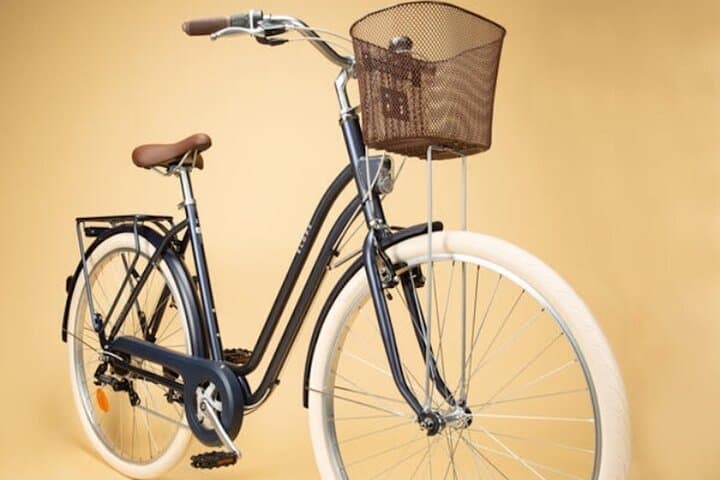
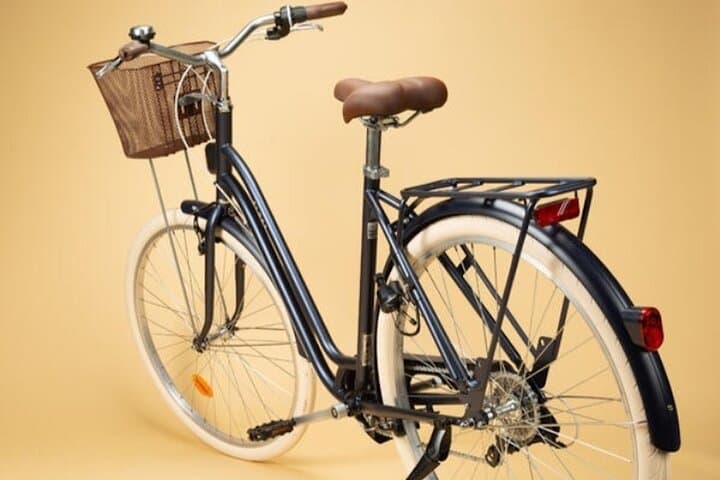
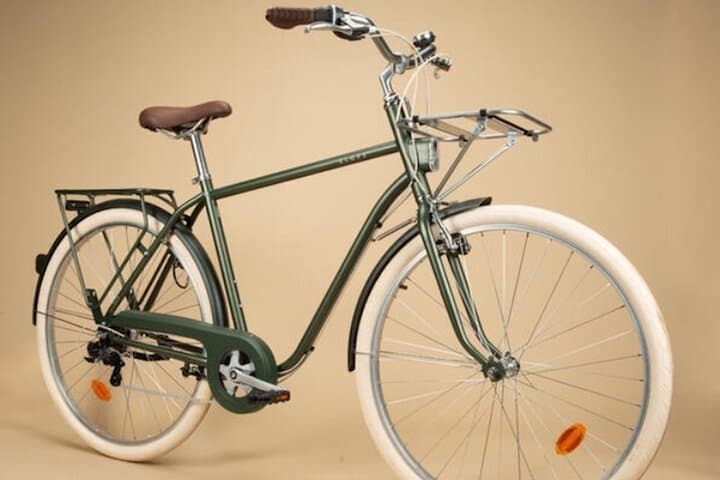
Practical guidance: choose a road, trekking or electric model depending on distance and gradient; helmets and lockers are included. Ride early to avoid the trade winds that strengthen midday, carry 1.5–2 L of water, and protect against intense sun with SPF and a neck buff. Ask the rental staff for route suggestions—local knowledge points to quieter coastal lanes, lava fields near Timanfaya, and village cafés spaced for timely breaks.
Whether you’re aiming for steady road miles or volcanic singletrack spurs, Lanzarote rewards straightforward preparation with landscapes that actively push you forward.
easy.
1–7 days.
Suitable for most fitness levels; a basic level of cycling fitness helps for longer loops or non‑assisted climbs
Booking is recommended in high season; many shops offer instant confirmation but popular models (e‑bikes, road bikes) can sell out.
Yes—helmets are provided with rentals; you may bring your own for comfort or fit reasons.
You can cycle nearby but motorized vehicle access is restricted inside the main protected zones; follow park signage and stay on designated roads.
Not necessary for flat coastal rides, but an e‑bike makes inland climbs and multi‑day touring easier if you prefer less effort on gradients.
Lanzarote’s modern landscape was heavily shaped by 18th–19th century eruptions and the 1730–36 eruptions; local architecture, influenced by artist César Manrique, integrates volcanic forms into community spaces.
Stick to paved roads and marked tracks to protect fragile lichen‑covered lava fields; water is scarce—use it sparingly and pack out waste.
YOTOMU operates guided outdoor trips and adventures with an emphasis on safety, stewardship, and memorable experiences.
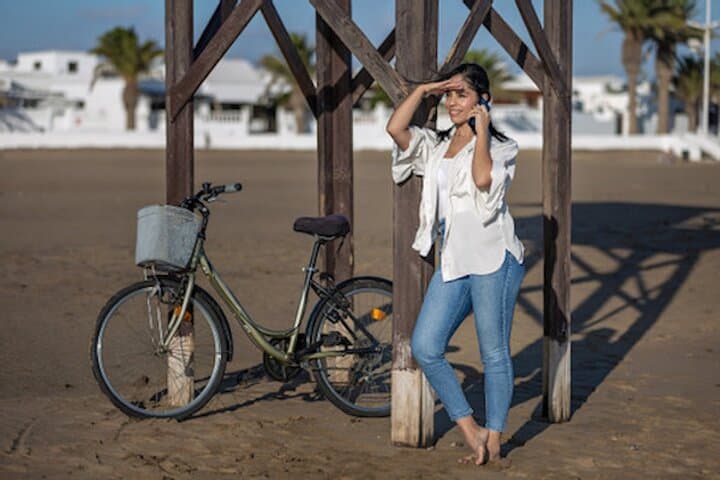
The first pedal stroke on Lanzarote feels like stepping into a lunar map: black lava fields unfurl to one side, the Atlantic glints on the other, and wind pushes you along ribbon-like coastal roads. Early light slices the white towns—Arrecife, Puerto del Carmen—into sharp contrasts; the island’s volcanic cones cast short, rugged shadows that invite exploration.
The first pedal stroke on Lanzarote feels like stepping into a lunar map: black lava fields unfurl to one side, the Atlantic glints on the other, and wind pushes you along ribbon-like coastal roads. Early light slices the white towns—Arrecife, Puerto del Carmen—into sharp contrasts; the island’s volcanic cones cast short, rugged shadows that invite exploration.
Geology shapes every route here. Lanzarote’s recent volcanic history created broad plains of basalt, abrupt craters up to 200 meters high, and windswept ridgelines. César Manrique’s cultural imprint—whitewashed houses, organic public art—softens the starkness, and fishing villages remind riders that sea and land share the island’s economy.
Expect varied terrain: smooth paved coastal stretches, occasional steep pitches into volcanic interior, and rough service roads where an MTB or trekking e‑bike shines. Typical single-day routes run 30–70 km with cumulative climbs commonly 200–500 m depending on your loop; multi‑day touring can cover the island’s 200+ km circumference at a relaxed pace.
Practical guidance: choose a road, trekking or electric model depending on distance and gradient; helmets and lockers are included. Ride early to avoid the trade winds that strengthen midday, carry 1.5–2 L of water, and protect against intense sun with SPF and a neck buff. Ask the rental staff for route suggestions—local knowledge points to quieter coastal lanes, lava fields near Timanfaya, and village cafés spaced for timely breaks.
Whether you’re aiming for steady road miles or volcanic singletrack spurs, Lanzarote rewards straightforward preparation with landscapes that actively push you forward.