THE ADVENTURE COLLECTIVE® · Independent discovery and booking for outdoor travel

Spend a half-day in Hoi An’s Old Town combining a guided walk through its trading-era streets with a hands-on lantern-making class. Learn local craft techniques, visit key historic sites, and leave with a handmade silk lantern.
Spend a half-day in Hoi An’s Old Town combining a guided walk through its trading-era streets with a hands-on lantern-making class. Learn local craft techniques, visit key historic sites, and leave with a handmade silk lantern.
You arrive in Hoi An as the river breathes slow and the town’s narrow streets open like old pages. The guide leads you across the Japanese Covered Bridge; wooden beams and tiled roofs lean close, as if listening to a century of traders. Lantern light already gathers in storefront windows, promising color and texture you can only create by hand.
Verified experiences and guided adventures in the surrounding area.
Operated by Private Tourguides in Da Nang Hoi An Hue · Hoi An, Quang Nam
You arrive in Hoi An as the river breathes slow and the town’s narrow streets open like old pages. The guide leads you across the Japanese Covered Bridge; wooden beams and tiled roofs lean close, as if listening to a century of traders. Lantern light already gathers in storefront windows, promising color and texture you can only create by hand.
Hoi An’s streets are layered history: 17th–19th century shophouses built during its heyday as an international port, traces of Champa and Chinese-Japanese merchant quarters, and French-era details threaded into narrow alleys. Geologically this stretch of central Vietnam sits on the Thu Bon floodplain—flat river silt that made Hoi An a safe harbor for junks and sampans. Culturally the town still lives by skilled craft: carpenters, tailors, and textile-makers keep techniques passed down through generations.
The lantern workshop is practical and tactile. A local craftsman explains frame shapes, silk choices, and color symbolism before you shape bamboo ribs, stretch fabric, and attach trim—an exercise in patience and pattern. Expect hands-on guidance and a finished lantern to take home.
Practical guidance: plan for a 4–5 hour window, wear comfortable shoes for cobblestones, and bring sun protection for transfers between sites. Morning tours are cooler; afternoons show the town glowing as light shifts toward the river. Photography is easy but be respectful in private courtyards. Support the craft economy by buying materials locally and avoid oversized backpacks in historic houses.
This is a low-impact, accessible cultural walk with a creative payoff—part history lesson, part studio session, and wholly Hoi An.
easy.
4–5 hours.
Suitable for most fitness levels: mostly flat walking with short standing periods during the workshop.
No—workshops are designed for beginners and the craftsman will guide each step so you can complete a lantern.
Yes, pickup and drop-off from hotels in Hoi An and Da Nang are included; confirm your pickup point when booking.
Yes—this tour is family-friendly. Younger children may need help with finer assembly; infant seats or strollers are accommodated for transportation.
Fragile frames can bend; pack it in carry-on or wrap the lantern carefully with clothing to protect the bamboo ribs if placed in checked baggage.
Hoi An was a major Southeast Asian trading port from the 15th to 19th centuries and was designated a UNESCO World Heritage Site in 1999 for its preserved trading architecture.
Rising visitor numbers strain local waterways and waste systems; favor local crafts, avoid single-use plastics, and follow guides’ advice to reduce impact.
Private Tourguides in Da Nang Hoi An Hue operates guided outdoor trips and adventures with an emphasis on safety, stewardship, and memorable experiences.
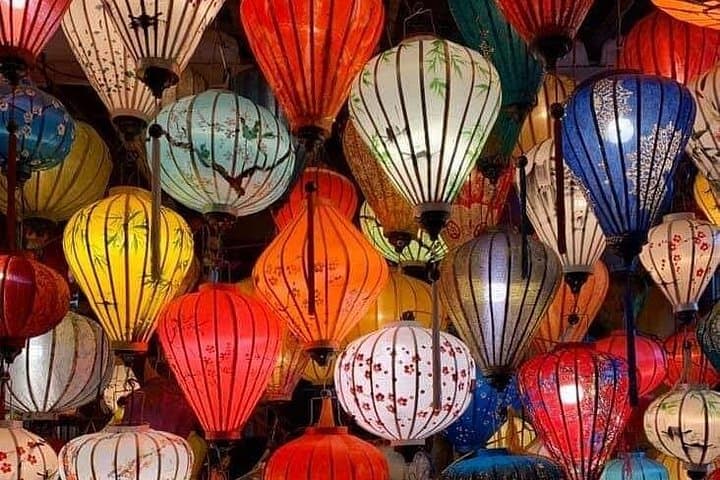
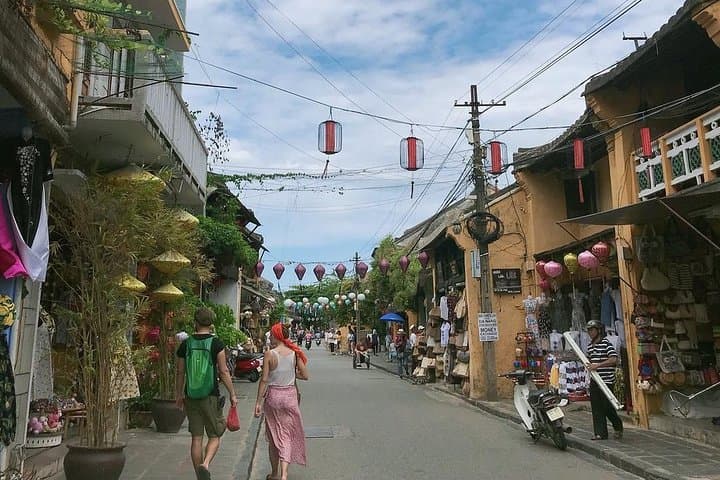
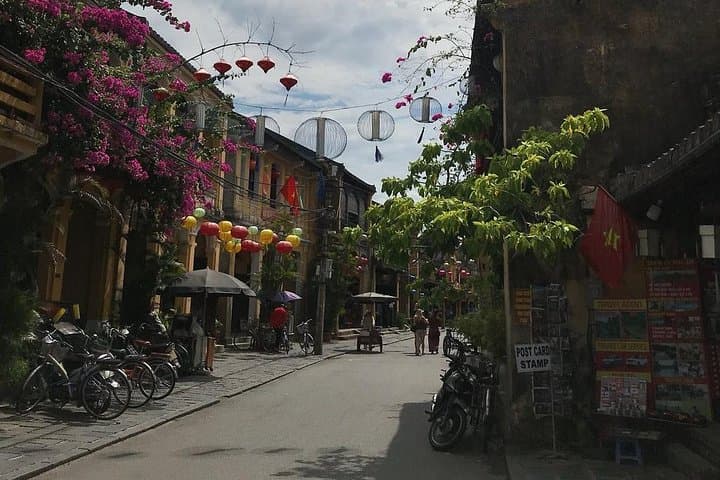
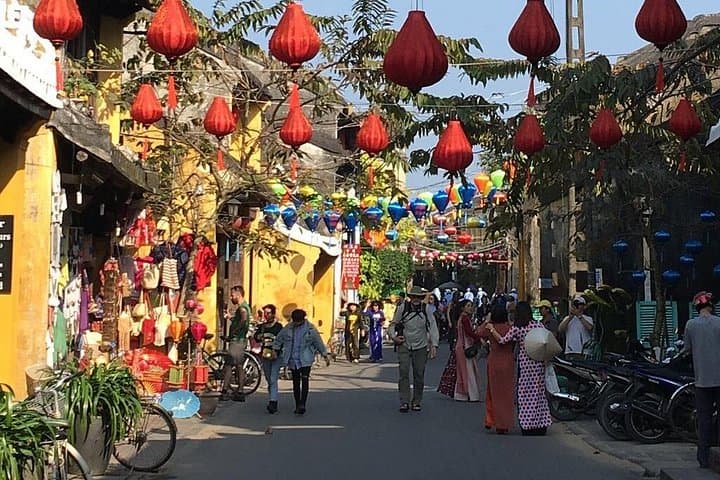
You arrive in Hoi An as the river breathes slow and the town’s narrow streets open like old pages. The guide leads you across the Japanese Covered Bridge; wooden beams and tiled roofs lean close, as if listening to a century of traders. Lantern light already gathers in storefront windows, promising color and texture you can only create by hand.
You arrive in Hoi An as the river breathes slow and the town’s narrow streets open like old pages. The guide leads you across the Japanese Covered Bridge; wooden beams and tiled roofs lean close, as if listening to a century of traders. Lantern light already gathers in storefront windows, promising color and texture you can only create by hand.
Hoi An’s streets are layered history: 17th–19th century shophouses built during its heyday as an international port, traces of Champa and Chinese-Japanese merchant quarters, and French-era details threaded into narrow alleys. Geologically this stretch of central Vietnam sits on the Thu Bon floodplain—flat river silt that made Hoi An a safe harbor for junks and sampans. Culturally the town still lives by skilled craft: carpenters, tailors, and textile-makers keep techniques passed down through generations.
The lantern workshop is practical and tactile. A local craftsman explains frame shapes, silk choices, and color symbolism before you shape bamboo ribs, stretch fabric, and attach trim—an exercise in patience and pattern. Expect hands-on guidance and a finished lantern to take home.
Practical guidance: plan for a 4–5 hour window, wear comfortable shoes for cobblestones, and bring sun protection for transfers between sites. Morning tours are cooler; afternoons show the town glowing as light shifts toward the river. Photography is easy but be respectful in private courtyards. Support the craft economy by buying materials locally and avoid oversized backpacks in historic houses.
This is a low-impact, accessible cultural walk with a creative payoff—part history lesson, part studio session, and wholly Hoi An.