THE ADVENTURE COLLECTIVE® · Independent discovery and booking for outdoor travel

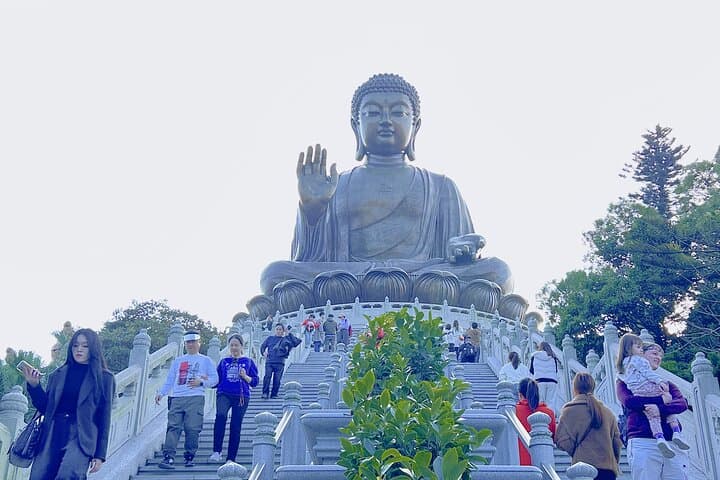
Ride the Ngong Ping cable car, climb the steps to the 34m Tian Tan Buddha, and wander the reflective Wisdom Path. This single-day route combines dramatic views, living Buddhist culture, and easy walking on Lantau Island.
Ride the Ngong Ping cable car, climb the steps to the 34m Tian Tan Buddha, and wander the reflective Wisdom Path. This single-day route combines dramatic views, living Buddhist culture, and easy walking on Lantau Island.
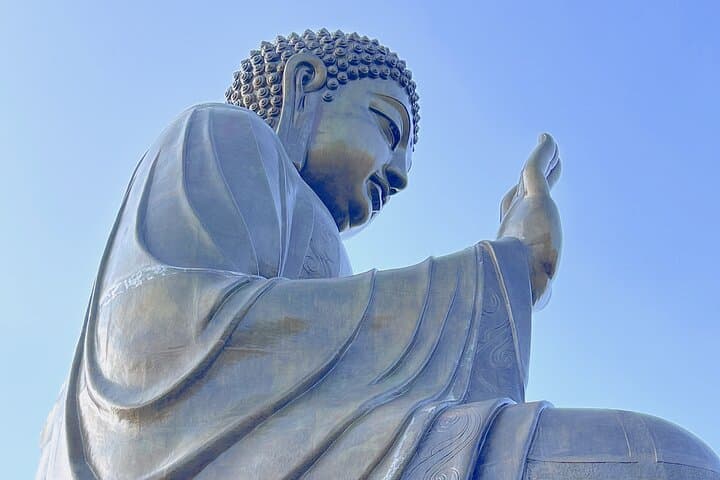
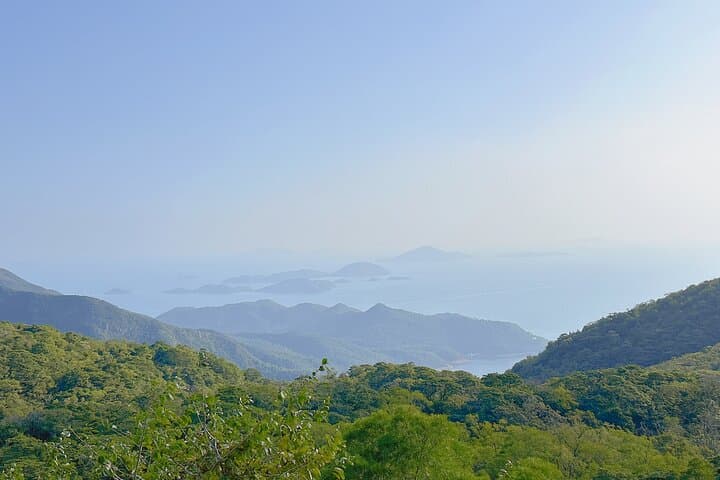
The cable car hums and lifts you above patchwork farming terraces and the blue sweep of the South China Sea, the island’s ridgelines folding away beneath your feet. By the time the gondola eases into Ngong Ping Village, the Tian Tan Buddha dominates the plateau — a silent, bronze figure that reorients the scale of the day.
Verified experiences and guided adventures in the surrounding area.
Operated by Jack Lin · Ngong Ping (Lantau Island), Hong Kong
The cable car hums and lifts you above patchwork farming terraces and the blue sweep of the South China Sea, the island’s ridgelines folding away beneath your feet. By the time the gondola eases into Ngong Ping Village, the Tian Tan Buddha dominates the plateau — a silent, bronze figure that reorients the scale of the day.
Lantau’s story is both geological and human: granite and volcanic uplifts formed the ridges, while fishermen and farmers shaped coastal settlements for centuries. Po Lin Monastery, founded in 1906, anchors a modern pilgrimage; the Big Buddha, completed in 1993, announces the island’s spiritual pivot for visitors. Nearby, the Wisdom Path’s wooden stelae carve a contemplative loop through wind-swept pines.
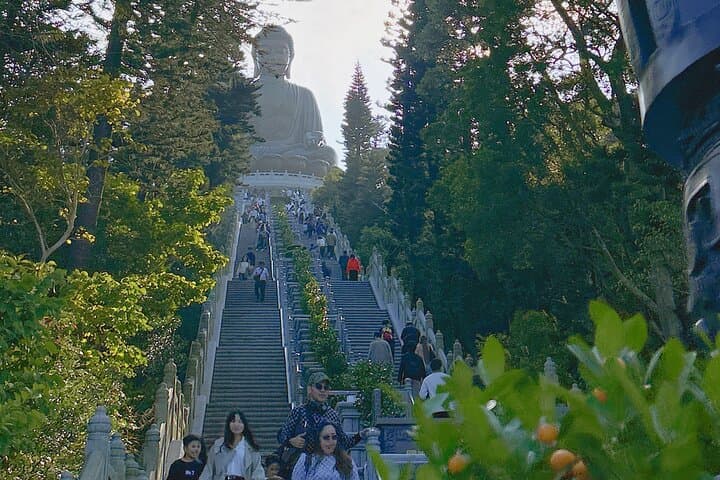
Expect a mix of paved village lanes, short stair climbs (268 steps at the Buddha), and quiet trails where the scent of eucalyptus and salt air compete. The Ngong Ping 360 cable car covers 5.7 km in about 25 minutes from Tung Chung, offering panoramic views of sea channels and the distant Hong Kong–Zhuhai–Macao Bridge.
Practical edge: plan for 1–7 hours depending on stops — monastery, museum under the Buddha, vegetarian lunch, and a gentle walk along the Wisdom Path. Wear grippy shoes for steps and uneven boards, carry water, and arrive early to avoid midday crowds and heat. Photography is straightforward but be mindful of worshippers inside temple halls. Whether you’re after cultural context, easy hiking, or broad coastal views, Lantau compresses a lot of Hong Kong’s natural and cultural contrasts into a single, walkable experience.
moderate.
1–7 hours.
Moderate; able to walk paved paths, climb stairs, and stand for short periods
The cable car spans about 5.7 km and takes roughly 25 minutes each way, running between Tung Chung and Ngong Ping Village.
Yes — visitors climb 268 steps to reach the Buddha’s base; there are resting points and alternatives for those with mobility limits.
Yes — Ngong Ping Village and the monastery complex have vegetarian dining options and small cafés, though choices narrow later in the day.
Generally yes for moderate mobility; strollers may be difficult on steps and some uneven paths — consider the cable car and shorter walks for those with limited mobility.
Po Lin Monastery was established in 1906 and the Tian Tan Buddha was completed in 1993, marking Ngong Ping as a modern cultural and spiritual destination.
Lantau’s popularity stresses trails and temples; stick to marked paths, use public transport, and support local businesses to reduce environmental impact.
Jack Lin operates guided outdoor trips and adventures with an emphasis on safety, stewardship, and memorable experiences.
The cable car hums and lifts you above patchwork farming terraces and the blue sweep of the South China Sea, the island’s ridgelines folding away beneath your feet. By the time the gondola eases into Ngong Ping Village, the Tian Tan Buddha dominates the plateau — a silent, bronze figure that reorients the scale of the day.
The cable car hums and lifts you above patchwork farming terraces and the blue sweep of the South China Sea, the island’s ridgelines folding away beneath your feet. By the time the gondola eases into Ngong Ping Village, the Tian Tan Buddha dominates the plateau — a silent, bronze figure that reorients the scale of the day.
Lantau’s story is both geological and human: granite and volcanic uplifts formed the ridges, while fishermen and farmers shaped coastal settlements for centuries. Po Lin Monastery, founded in 1906, anchors a modern pilgrimage; the Big Buddha, completed in 1993, announces the island’s spiritual pivot for visitors. Nearby, the Wisdom Path’s wooden stelae carve a contemplative loop through wind-swept pines.
Expect a mix of paved village lanes, short stair climbs (268 steps at the Buddha), and quiet trails where the scent of eucalyptus and salt air compete. The Ngong Ping 360 cable car covers 5.7 km in about 25 minutes from Tung Chung, offering panoramic views of sea channels and the distant Hong Kong–Zhuhai–Macao Bridge.
Practical edge: plan for 1–7 hours depending on stops — monastery, museum under the Buddha, vegetarian lunch, and a gentle walk along the Wisdom Path. Wear grippy shoes for steps and uneven boards, carry water, and arrive early to avoid midday crowds and heat. Photography is straightforward but be mindful of worshippers inside temple halls. Whether you’re after cultural context, easy hiking, or broad coastal views, Lantau compresses a lot of Hong Kong’s natural and cultural contrasts into a single, walkable experience.